
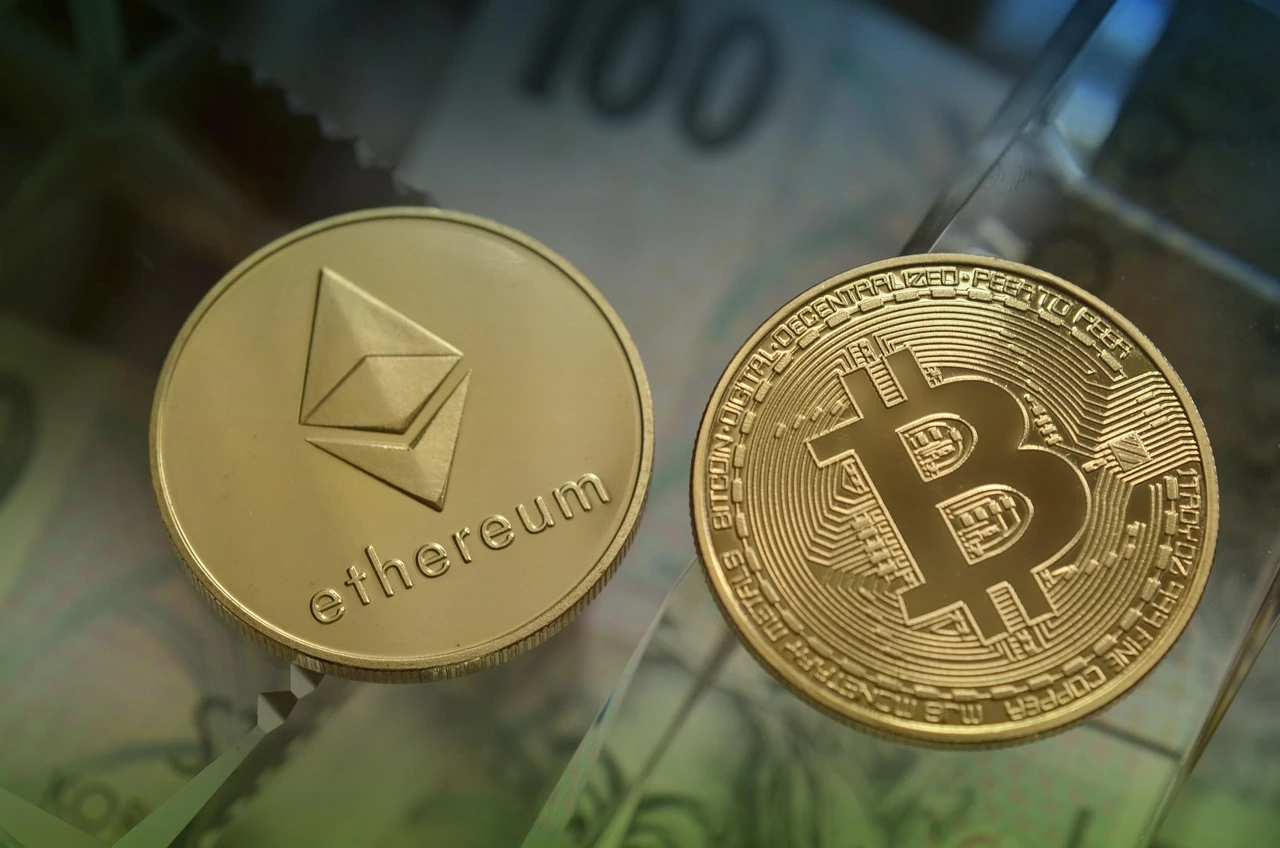
Why Tokenization is Transforming Asset Management in 2023
This article covers KULA and related crypto trends with practical context. Tokenization is increasingly becoming a game-changer in the world of asset management, bridging the gap between traditional finance and the blockchain era. With the rise of blockchain technology, the ability to represent real-world assets as digital tokens is transforming how investments are made and managed. This innovative approach not only enhances liquidity but also democratizes access to investment opportunities for a broader range of investors.
In 2023, the tokenization of assets is gaining momentum, driven by increased interest from institutional investors and advancements in regulatory frameworks. As companies explore ways to leverage this technology, the potential for tokenization to reshape the financial landscape becomes clearer. In this article, we will delve into the implications of tokenization for asset management, the challenges it faces, and the potential benefits it offers to both investors and issuers.
The Rise of Tokenization in Finance
Understanding Tokenization
Tokenization refers to the process of converting rights to an asset into a digital token on a blockchain. This can include anything from real estate and equities to art and collectibles. By breaking down these assets into smaller, tradeable units, tokenization allows for greater liquidity and accessibility.
For example, a $1 million property could be tokenized into 1,000 tokens worth $1,000 each, allowing more investors to participate without needing the full capital upfront. This fractional ownership model can attract a diverse investor base and foster a more inclusive investment environment.
Key Drivers of Tokenization
Several factors are driving the rise of tokenization in finance. First, technological advancements have made it easier and more cost-effective to create and manage digital tokens. Second, there is a growing demand for innovative investment solutions, particularly among younger investors who are more comfortable with digital assets.
Additionally, regulatory clarity surrounding tokenization is improving. As governments and regulatory bodies develop frameworks for digital assets, institutional investors are more willing to explore tokenization as a viable strategy.
Benefits of Tokenization in Asset Management
Increased Liquidity
One of the most significant advantages of tokenization is the increased liquidity it offers. Traditional assets often suffer from illiquidity due to high transaction costs and lengthy settlement periods. In contrast, tokenized assets can be traded on secondary markets almost instantly, providing investors with more flexibility and faster access to their funds.
This liquidity can attract a wider range of investors, including those looking to diversify their portfolios with alternative investments.
Enhanced Transparency and Security
Tokenization leverages blockchain technology, which inherently provides a secure and transparent environment for transactions. Each token transaction is recorded on a public ledger, allowing for real-time tracking and auditing of asset ownership. This transparency can reduce the risk of fraud and increase trust among investors.
Moreover, smart contracts can automate various processes, such as dividend payments or compliance checks, further enhancing the security and efficiency of asset management.
Challenges Facing Tokenization
Regulatory Hurdles
Despite its benefits, tokenization faces several challenges, particularly regarding regulation. The lack of a unified regulatory framework across jurisdictions can create uncertainty for issuers and investors alike. It is crucial for companies to navigate these complexities to ensure compliance and protect their investors.
As regulations evolve, staying informed about the legal landscape will be vital for any entity looking to engage in tokenization.
Market Education and Adoption
Another challenge is the need for market education. Many investors remain unfamiliar with tokenization and blockchain technology, which can hinder widespread adoption. Educational initiatives aimed at demystifying these concepts will be essential in fostering greater acceptance and understanding among potential investors.
Moreover, building trust in tokenized assets will require successful case studies and positive experiences to demonstrate their value and reliability.
The Future of Tokenization in Asset Management
Potential Innovations
Looking ahead, the potential for tokenization in asset management is vast. We may see innovations such as decentralized finance (DeFi) platforms that integrate tokenized assets, enabling new forms of lending, borrowing, and investment strategies.
As technology continues to advance, the possibilities for creating unique financial products and services based on tokenized assets will expand, offering investors even more options to diversify their portfolios.
Builders who last in Why Tokenization is Transforming Asset Management in 2023 do unglamorous work. Document edge cases, measure latency, track fees and liquidity, and review error budgets. Discipline compounds faster than hot takes. Treat KULA as one variable in a wider model. Focus on liquidity, counterparty risk, and execution quality in Why Tokenization is Transforming Asset Management in 2023. Prefer clear fee schedules and avoid hidden slippage. When uncertainty rises, reduce position size and extend review intervals. Most outcomes in Why Tokenization is Transforming Asset Management in 2023 come from repeatable systems. Define assumptions, risks, invalidation points, and a recheck cadence. This habit beats narratives. Use KULA as a lens, but let decisions follow current data, not hype.
Strategic Partnerships
Collaboration between traditional financial institutions and blockchain companies will be key to unlocking the full potential of tokenization. By leveraging each other's strengths, these entities can create a more robust ecosystem that supports the growth of tokenized assets.
Strategic partnerships can also facilitate the development of regulatory-compliant tokenization platforms, making it easier for investors to access these innovative investment opportunities.
Key Takeaways
- Tokenization is revolutionizing asset management by enhancing liquidity and democratizing access to investments.
- The process involves converting real-world assets into digital tokens on a blockchain, allowing for fractional ownership.
- Key drivers include technological advancements, demand for innovative solutions, and improving regulatory clarity.
- Increased liquidity attracts diverse investors, while enhanced transparency reduces fraud risk.
- Challenges include regulatory hurdles and the need for market education to drive adoption.
- The future holds potential innovations and strategic partnerships that can further advance tokenization.
Join the tokenization revolution today! Explore how you can benefit from investing in tokenized assets and stay ahead in the evolving financial landscape.