
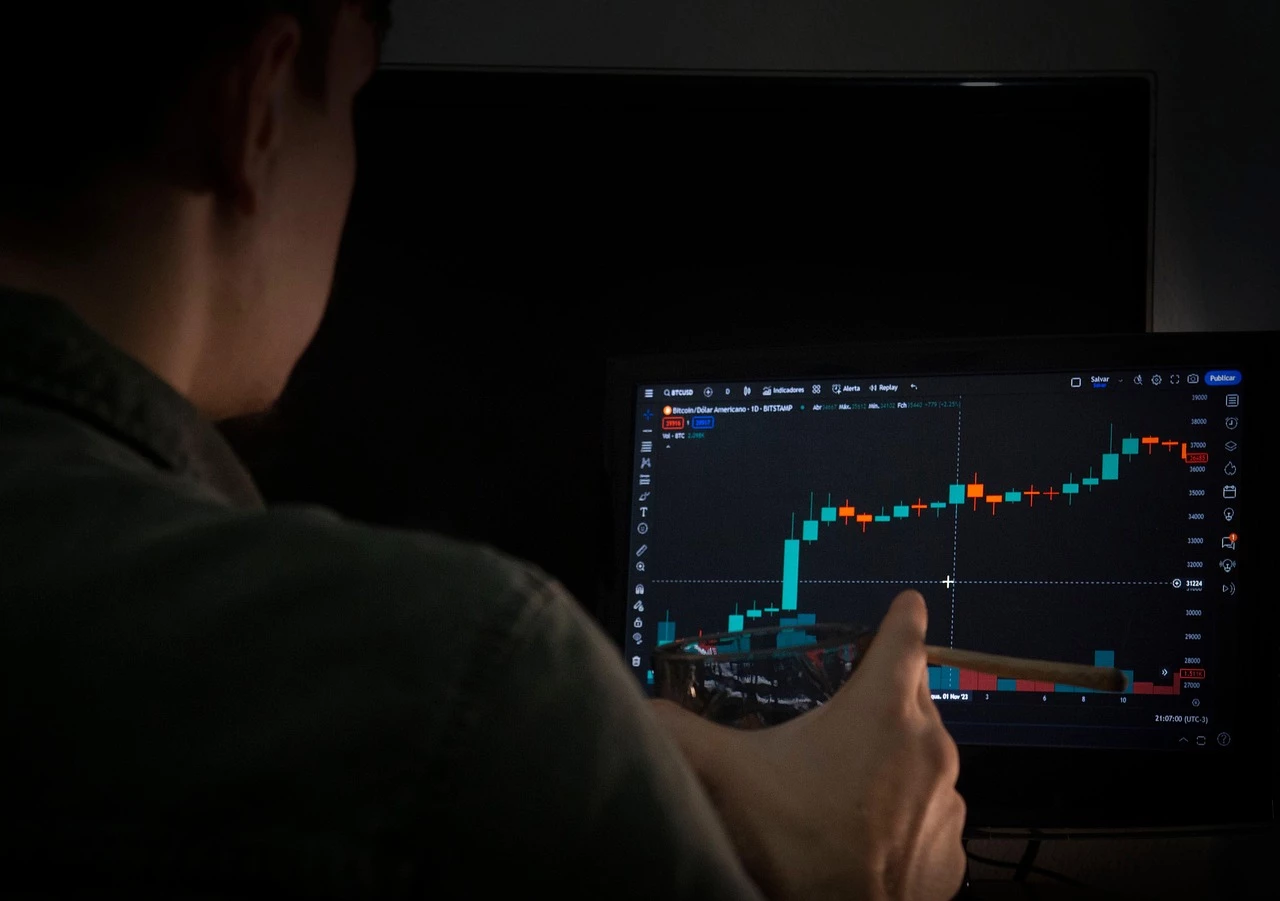
Why Institutional Investment is Crucial for the Future of Crypto
Institutional investment is increasingly becoming a cornerstone of the cryptocurrency landscape. As major financial entities enter the market, they bring not just capital but also legitimacy and stability. This shift is critical for various cryptocurrencies as they seek to gain traction and achieve wider acceptance. In particular, assets like Bitcoin and Ethereum are witnessing enhanced interest from institutional players, which can lead to significant price movements and market dynamics.
In this article, we will delve into the reasons behind this surge in institutional investment, its implications for the future of digital assets, and what this means for individual investors and the broader market.
The Rise of Institutional Investment in Cryptocurrency
Historical Context
The cryptocurrency market has evolved significantly since the inception of Bitcoin over a decade ago. Initially dominated by retail investors, the landscape has gradually shifted as traditional financial institutions recognize the potential of digital assets. Hedge funds, asset managers, and even pension funds are now exploring the benefits of including cryptocurrencies in their portfolios, driven by the search for diversification and high returns.
This transformation began to gain momentum around 2020 when institutional interest surged amid economic uncertainty and the proliferation of digital payment systems. Major players like MicroStrategy and Tesla made headlines by adding Bitcoin to their balance sheets, signaling a new era in crypto investment.
Key Players and Their Impact
Prominent institutions such as Grayscale, Fidelity, and BlackRock have launched various cryptocurrency investment products, making it easier for both retail and institutional investors to gain exposure. These products not only increase liquidity in the market but also enhance trust among potential investors who may have been hesitant due to the perceived volatility of cryptocurrencies.
The entry of these institutions often leads to increased market cap and can stabilize prices, which is essential for the long-term viability of cryptocurrencies as mainstream financial instruments. Additionally, as these institutions continue to invest, they contribute to the development of regulatory frameworks, further legitimizing the market.
Institutional Investment: A Double-Edged Sword?
Market Volatility
While institutional investment can provide stability, it can also introduce volatility. Large trades executed by institutions can lead to significant price swings, especially in a market as dynamic as cryptocurrency. For instance, a sudden sell-off by a major hedge fund can cause panic among retail investors, triggering a broader market decline.
Conversely, institutional buying can propel prices upward, creating a cycle of speculation that may not be sustainable. This duality is crucial for investors to understand as they navigate the crypto landscape.
Regulatory Considerations
The influx of institutional capital has attracted the attention of regulators worldwide. As institutions engage with cryptocurrencies, there is an increased push for regulatory clarity, which can ultimately benefit the entire ecosystem. However, it also raises concerns about overreach and stifling innovation.
Navigating this regulatory landscape will be critical for institutions and individual investors alike, as it can influence investment strategies and the overall market environment.
What This Means for Individual Investors
Opportunities and Risks
For individual investors, the rise of institutional investment presents both opportunities and risks. On one hand, increased legitimacy and stability can enhance the appeal of cryptocurrencies as a long-term investment. On the other hand, the volatility driven by institutional trading can create challenges for those looking to enter the market or manage their holdings effectively.
Investors should remain informed about institutional trends and adapt their strategies accordingly, whether that means taking advantage of price dips or diversifying their portfolios to mitigate risk.
Strategies for Engagement
Engaging with the cryptocurrency market as an individual investor requires a strategic approach. Consider utilizing dollar-cost averaging to manage investment timing, especially in a volatile environment. Additionally, staying updated on institutional movements and market news can provide insights into potential price movements and emerging trends.
Furthermore, leveraging educational resources and community discussions can enhance your understanding of the market dynamics influenced by institutional investment.
Practical Considerations
What to watch
Focus on costs, liquidity, security, and user experience.
Builders who last in Why Institutional Investment is Crucial for the Future of Crypto do unglamorous work. Document edge cases, measure latency, track fees and liquidity, and review error budgets. Discipline compounds faster than hot takes. Treat KULA as one variable in a wider model. Focus on liquidity, counterparty risk, and execution quality in Why Institutional Investment is Crucial for the Future of Crypto. Prefer clear fee schedules and avoid hidden slippage. When uncertainty rises, reduce position size and extend review intervals. Clarity in scope and metrics keeps teams aligned in Why Institutional Investment is Crucial for the Future of Crypto. Write crisp definitions of done, instrument the path to green, and audit dependencies. Small, testable changes lower risk and speed up feedback.
Clarity in scope and metrics keeps teams aligned in Why Institutional Investment is Crucial for the Future of Crypto. Write crisp definitions of done, instrument the path to green, and audit dependencies. Small, testable changes lower risk and speed up feedback. Operating in Why Institutional Investment is Crucial for the Future of Crypto benefits from early telemetry and automated dashboards. Transparency reduces rework and panic moves. When KULA shifts, context is already captured, so you can adjust calmly instead of reacting late. Focus on liquidity, counterparty risk, and execution quality in Why Institutional Investment is Crucial for the Future of Crypto. Prefer clear fee schedules and avoid hidden slippage. When uncertainty rises, reduce position size and extend review intervals.
Key Takeaways
- Institutional investment is reshaping the cryptocurrency market landscape.
- Major financial institutions are now actively engaging with digital assets.
- The entry of institutions brings both stability and volatility to crypto prices.
- Understanding institutional trends can aid individual investors in their strategies.
- Regulatory developments are crucial in the context of institutional investment.
- Opportunities exist for individual investors amidst the institutional wave.
Stay ahead in the crypto space by subscribing to our newsletter for the latest insights and trends!