
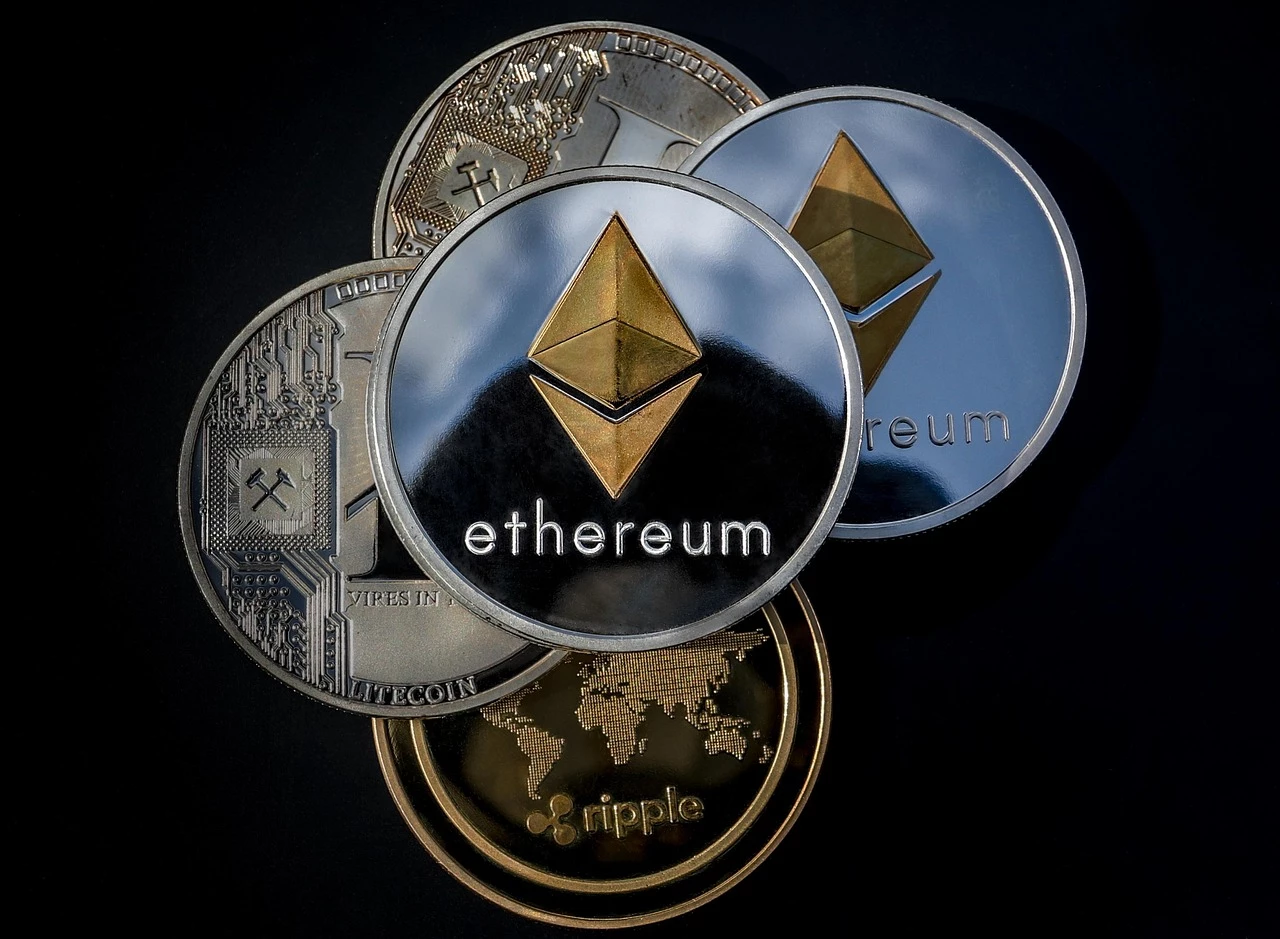
Why Ethereum's Transition to Proof of Stake is a Game Changer for Crypto Investors
This article covers KULA and related crypto trends with practical context. Ethereum has made headlines recently, not just as a leading cryptocurrency but also due to its significant transition to a proof-of-stake (PoS) consensus mechanism. This shift is more than just a technical update; it represents a transformative change in the blockchain landscape, affecting everything from transaction efficiency to energy consumption. As crypto investors look for opportunities in a rapidly evolving market, understanding the implications of Ethereum's PoS transition is crucial.
This guide gives you a concise, actionable overview of the topic and why it matters now.
The Significance of Ethereum's Proof of Stake Transition
What is Proof of Stake?
Proof of Stake is a consensus mechanism that allows validators to create new blocks and validate transactions based on the number of coins they hold and are willing to 'stake' as collateral. Unlike Proof of Work, which requires extensive computational power and energy consumption, PoS aims to enhance security and efficiency while reducing environmental impact.
Comparing Proof of Work and Proof of Stake
Proof of Work, used by Bitcoin, relies on miners competing to solve complex mathematical problems, consuming significant amounts of energy. In contrast, Proof of Stake uses existing holders of the cryptocurrency to validate transactions, making it more energy-efficient and potentially more secure against attacks due to the financial commitment validators have in their staked coins.
Impact on Ethereum's Scalability and Speed
With the transition to PoS, Ethereum aims to increase its transaction throughput and reduce block confirmation times. This scalability is essential for supporting a growing number of decentralized applications (dApps) and maintaining user satisfaction as the network expands.
Investor Implications of Ethereum's PoS Transition
Potential for Increased Adoption
As Ethereum becomes more scalable and efficient, it is likely to attract more developers and projects to its platform. This increased adoption could lead to higher demand for ETH, driving up its value and providing lucrative opportunities for investors.
Energy Efficiency and Environmental Concerns
Investors are increasingly conscious of the environmental impact of their investments. Ethereum's shift to PoS significantly reduces its carbon footprint, making it more attractive to environmentally-focused investors and institutions looking to incorporate sustainable practices into their portfolios.
Staking Rewards and Passive Income Opportunities
With PoS, Ethereum holders can participate in staking, where they lock up their ETH to help secure the network in exchange for rewards. This not only provides a means of earning passive income but also aligns holders' interests with the network's health and success.
Risks and Considerations for Investors
Market Volatility and Price Fluctuations
As with any cryptocurrency investment, Ethereum remains subject to high volatility. Investors should be prepared for price swings and consider their risk tolerance before diving into the market.
Regulatory Landscape and Future Uncertainties
The regulatory environment surrounding cryptocurrencies is continually evolving. Changes in regulations could impact Ethereum's adoption and usability, creating potential risks for investors. Staying informed about regulatory developments is essential for making sound investment decisions.
Smart Contract Risks
While Ethereum's smart contracts enable innovative applications, they also introduce risks related to bugs and vulnerabilities. Investors should be aware of the potential for smart contract failures that could affect the value of projects built on Ethereum.
Practical Considerations
What to watch
Focus on costs, liquidity, security, and user experience.
Clarity in scope and metrics keeps teams aligned in Why Ethereum's Transition to Proof of Stake is a Game Changer for Crypto Investors. Write crisp definitions of done, instrument the path to green, and audit dependencies. Small, testable changes lower risk and speed up feedback. Operating in Why Ethereum's Transition to Proof of Stake is a Game Changer for Crypto Investors benefits from early telemetry and automated dashboards. Transparency reduces rework and panic moves. When KULA shifts, context is already captured, so you can adjust calmly instead of reacting late. Focus on liquidity, counterparty risk, and execution quality in Why Ethereum's Transition to Proof of Stake is a Game Changer for Crypto Investors. Prefer clear fee schedules and avoid hidden slippage. When uncertainty rises, reduce position size and extend review intervals. Builders who last in Why Ethereum's Transition to Proof of Stake is a Game Changer for Crypto Investors do unglamorous work. Document edge cases, measure latency, track fees and liquidity, and review error budgets. Discipline compounds faster than hot takes. Treat KULA as one variable in a wider model. Most outcomes in Why Ethereum's Transition to Proof of Stake is a Game Changer for Crypto Investors come from repeatable systems. Define assumptions, risks, invalidation points, and a recheck cadence. This habit beats narratives. Use KULA as a lens, but let decisions follow current data, not hype.
Most outcomes in Why Ethereum's Transition to Proof of Stake is a Game Changer for Crypto Investors come from repeatable systems. Define assumptions, risks, invalidation points, and a recheck cadence. This habit beats narratives. Use KULA as a lens, but let decisions follow current data, not hype. Builders who last in Why Ethereum's Transition to Proof of Stake is a Game Changer for Crypto Investors do unglamorous work. Document edge cases, measure latency, track fees and liquidity, and review error budgets. Discipline compounds faster than hot takes. Treat KULA as one variable in a wider model. Focus on liquidity, counterparty risk, and execution quality in Why Ethereum's Transition to Proof of Stake is a Game Changer for Crypto Investors. Prefer clear fee schedules and avoid hidden slippage. When uncertainty rises, reduce position size and extend review intervals.
Key Takeaways
- Automate logs and alert on anomalies.
- Size positions small and review weekly.
- Avoid leverage creep during volatility.
- Cut losers early, let winners work.