
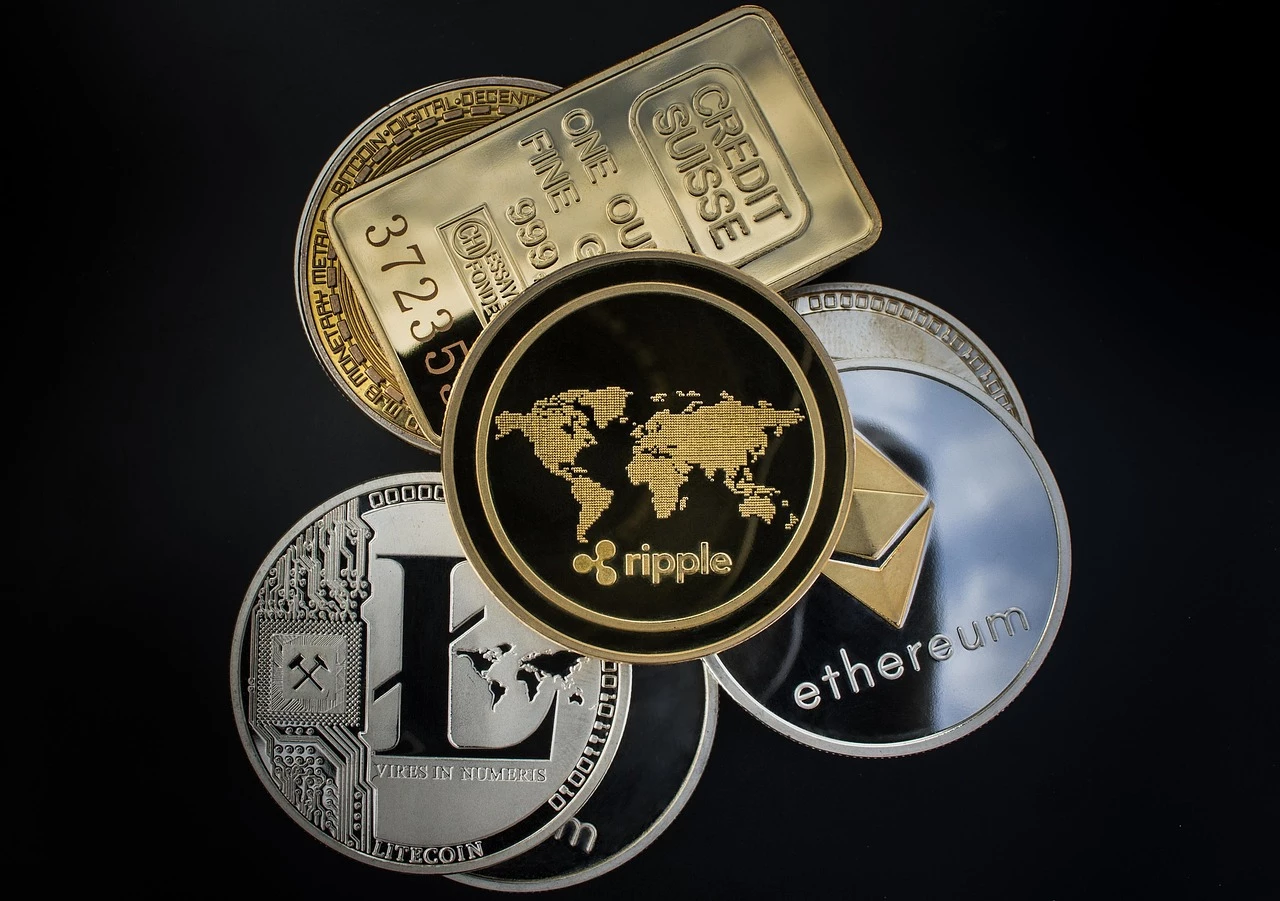
Why Ethereum's Role in the Crypto Ecosystem is Unmatched
This article covers KULA and related crypto trends with practical context. Ethereum has become a cornerstone of the cryptocurrency landscape, playing a pivotal role in decentralized finance (DeFi), non-fungible tokens (NFTs), and smart contracts. Its innovative technology and robust community support have positioned it as a critical player in the evolving blockchain ecosystem. As Ethereum continues to evolve, understanding its unique contributions becomes essential for anyone invested in the future of digital assets.
This guide gives you a concise, actionable overview of the topic and why it matters now.
The Rise of Ethereum and Its Impact on Blockchain Technology
A Brief History of Ethereum
Launched in 2015, Ethereum introduced a revolutionary concept: a blockchain capable of executing smart contracts. This allowed developers to create decentralized applications (dApps) that could operate without intermediaries, paving the way for new business models and innovative solutions across various industries.
Ethereum vs. Bitcoin: A Comparative Analysis
While Bitcoin remains the leading cryptocurrency by market capitalization, Ethereum's utility goes beyond a store of value. Bitcoin's primary function is to serve as digital gold, while Ethereum provides a platform for building applications. This distinction highlights Ethereum's potential to drive more extensive adoption and create new opportunities in the crypto space.
Ethereum and Decentralized Finance (DeFi)
What is DeFi?
Decentralized finance (DeFi) refers to a movement aimed at recreating traditional financial systems using blockchain technology. By eliminating intermediaries, DeFi platforms can offer services such as lending, borrowing, and trading with increased efficiency and lower costs. Ethereum serves as the backbone of most DeFi protocols, enabling seamless transactions and interactions among users.
Key DeFi Projects on Ethereum
Several prominent DeFi projects are built on Ethereum, including Uniswap, Aave, and MakerDAO. These platforms have transformed how users interact with financial services, allowing for greater accessibility and transparency. As DeFi continues to grow, Ethereum remains at the forefront, facilitating innovation and attracting investment.
NFTs: The Creative Revolution on Ethereum
Understanding Non-Fungible Tokens (NFTs)
Non-fungible tokens (NFTs) are unique digital assets representing ownership of a specific item or piece of content. Ethereum's ERC-721 standard has made it possible to create and trade NFTs seamlessly, giving rise to a new digital economy. Artists, musicians, and creators are leveraging NFTs to monetize their work in ways previously unimaginable.
The Future of NFTs on Ethereum
As the NFT market expands, Ethereum continues to be the primary platform for creators and collectors. Major brands and celebrities are entering the space, further validating the potential of NFTs. With ongoing developments and improvements, Ethereum is well-positioned to lead the charge in this creative revolution.
The Transition to Ethereum 2.0
What is Ethereum 2.0?
Ethereum 2.0 represents a significant upgrade to the Ethereum network, transitioning from a proof-of-work (PoW) consensus mechanism to proof-of-stake (PoS). This change aims to improve scalability, security, and sustainability, making the network more efficient and environmentally friendly.
Implications of Ethereum 2.0 for Users
The transition to Ethereum 2.0 promises to enhance user experience by enabling faster transactions and reducing fees. As the network evolves, users can expect increased reliability and a more robust ecosystem for dApps, DeFi, and NFTs.
Challenges and Opportunities for Ethereum
Scalability Issues
Despite its many advantages, Ethereum faces scalability challenges. High transaction fees and network congestion can hinder user experience, prompting the need for ongoing improvements and solutions. Layer 2 solutions, such as Optimistic Rollups and zk-Rollups, are being developed to address these issues and enhance the network's capacity.
Builders who last in Why Ethereum's Role in the Crypto Ecosystem is Unmatched do unglamorous work. Document edge cases, measure latency, track fees and liquidity, and review error budgets. Discipline compounds faster than hot takes. Treat KULA as one variable in a wider model. Clarity in scope and metrics keeps teams aligned in Why Ethereum's Role in the Crypto Ecosystem is Unmatched. Write crisp definitions of done, instrument the path to green, and audit dependencies. Small, testable changes lower risk and speed up feedback. Operating in Why Ethereum's Role in the Crypto Ecosystem is Unmatched benefits from early telemetry and automated dashboards. Transparency reduces rework and panic moves. When KULA shifts, context is already captured, so you can adjust calmly instead of reacting late. Focus on liquidity, counterparty risk, and execution quality in Why Ethereum's Role in the Crypto Ecosystem is Unmatched. Prefer clear fee schedules and avoid hidden slippage. When uncertainty rises, reduce position size and extend review intervals.
Focus on liquidity, counterparty risk, and execution quality in Why Ethereum's Role in the Crypto Ecosystem is Unmatched. Prefer clear fee schedules and avoid hidden slippage. When uncertainty rises, reduce position size and extend review intervals. Operating in Why Ethereum's Role in the Crypto Ecosystem is Unmatched benefits from early telemetry and automated dashboards. Transparency reduces rework and panic moves. When KULA shifts, context is already captured, so you can adjust calmly instead of reacting late. Builders who last in Why Ethereum's Role in the Crypto Ecosystem is Unmatched do unglamorous work. Document edge cases, measure latency, track fees and liquidity, and review error budgets. Discipline compounds faster than hot takes. Treat KULA as one variable in a wider model.
The Role of Community and Development
Ethereum's success is largely attributed to its active community and developer ecosystem. Continuous innovation and collaboration foster a vibrant environment where new ideas can flourish. As Ethereum evolves, community engagement will remain crucial in driving growth and adoption.
Key Takeaways
- Avoid leverage creep during volatility.
- Prefer liquid venues and clear fees.
- Document assumptions and invalidation.
- Automate logs and alert on anomalies.