
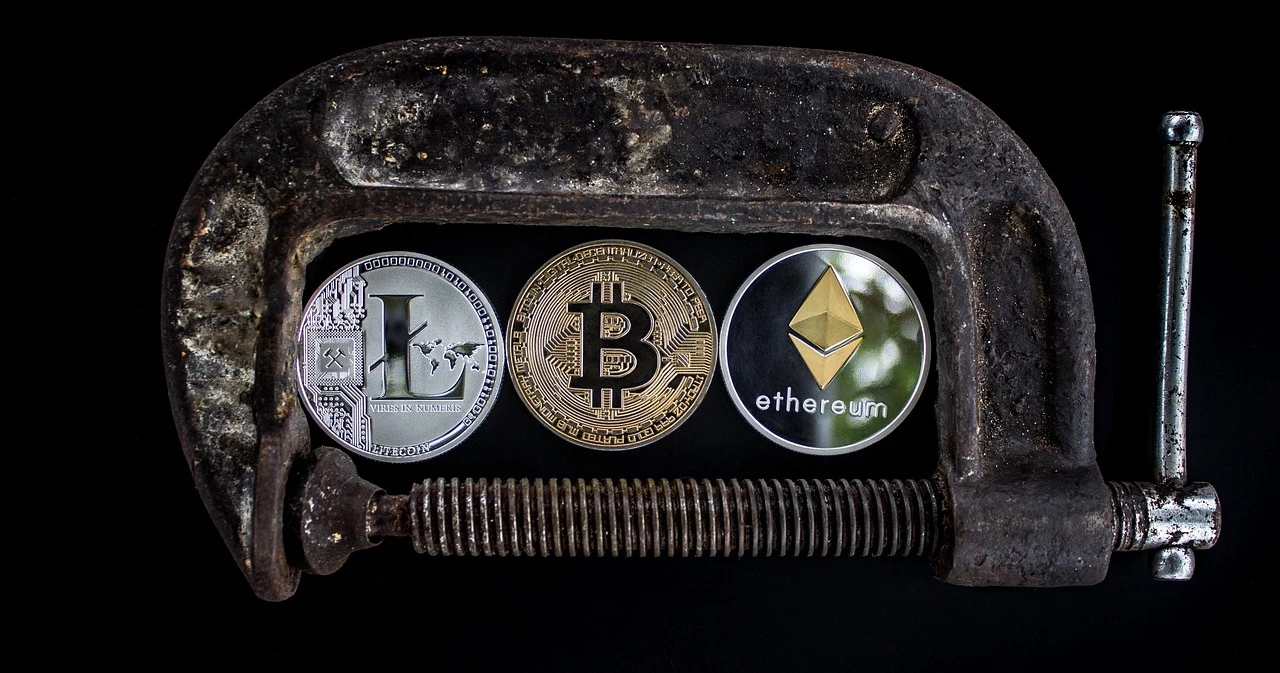
Why Ethereum’s Role in DeFi is Indispensable
Ethereum has emerged as the backbone of decentralized finance (DeFi), offering a robust platform for financial innovation.
As the cryptocurrency landscape evolves, Ethereum's smart contracts enable a range of financial products that challenge traditional systems.
Understanding Ethereum's integral role in DeFi is essential for anyone looking to navigate the future of finance.
The Rise of Ethereum in Decentralized Finance
What is DeFi?
Decentralized Finance, or DeFi, refers to financial services that are built on blockchain technology, aiming to recreate traditional financial systems in a decentralized manner.
This includes lending, borrowing, trading, and earning interest without intermediaries, utilizing smart contracts for automation.
Ethereum: The Foundation of DeFi
Ethereum was launched in 2015, enabling developers to create smart contracts and decentralized applications (dApps).
Its flexibility and large developer community have made it the preferred platform for DeFi projects, accounting for a significant portion of total value locked (TVL) in the sector.
Key Components of Ethereum’s DeFi Ecosystem
Smart Contracts: Automating Financial Processes
Smart contracts are self-executing contracts with the terms of the agreement directly written into code, allowing for trustless transactions.
They eliminate the need for intermediaries, reducing costs and increasing efficiency in financial processes.
Decentralized Exchanges (DEXs)
DEXs allow users to trade cryptocurrencies directly with each other without a centralized authority, enhancing privacy and control over funds.
Popular DEXs built on Ethereum include Uniswap and SushiSwap, which have revolutionized trading by providing liquidity through automated market-making.
Lending and Borrowing Platforms
Platforms like Aave and Compound enable users to lend their crypto assets to earn interest or borrow against their holdings without traditional credit checks.
These platforms use smart contracts to automate the entire process, ensuring transparency and security.
Challenges Facing Ethereum’s DeFi Landscape
Scalability Issues
Ethereum has faced challenges related to scalability, particularly during periods of high demand, leading to network congestion and high gas fees.
Solutions like Ethereum 2.0 and Layer 2 scaling solutions aim to address these issues, increasing transaction throughput and reducing costs.
Regulatory Scrutiny
As DeFi continues to grow, it has attracted the attention of regulators worldwide, raising concerns about compliance, user protection, and financial stability.
The evolving regulatory landscape could impact the operation and development of DeFi projects on Ethereum.
The Future of Ethereum in DeFi
Interoperability with Other Blockchains
Future developments may focus on improving interoperability between Ethereum and other blockchains, allowing for greater liquidity and user adoption.
Cross-chain solutions can help integrate various DeFi ecosystems, enhancing the overall user experience and market efficiency.
Clarity in scope and metrics keeps teams aligned in Why Ethereum’s Role in DeFi is Indispensable. Write crisp definitions of done, instrument the path to green, and audit dependencies. Small, testable changes lower risk and speed up feedback. Focus on liquidity, counterparty risk, and execution quality in Why Ethereum’s Role in DeFi is Indispensable. Prefer clear fee schedules and avoid hidden slippage. When uncertainty rises, reduce position size and extend review intervals. Builders who last in Why Ethereum’s Role in DeFi is Indispensable do unglamorous work. Document edge cases, measure latency, track fees and liquidity, and review error budgets. Discipline compounds faster than hot takes. Treat KULA as one variable in a wider model. Operating in Why Ethereum’s Role in DeFi is Indispensable benefits from early telemetry and automated dashboards. Transparency reduces rework and panic moves. When KULA shifts, context is already captured, so you can adjust calmly instead of reacting late. Most outcomes in Why Ethereum’s Role in DeFi is Indispensable come from repeatable systems. Define assumptions, risks, invalidation points, and a recheck cadence. This habit beats narratives. Use KULA as a lens, but let decisions follow current data, not hype.
Focus on liquidity, counterparty risk, and execution quality in Why Ethereum’s Role in DeFi is Indispensable. Prefer clear fee schedules and avoid hidden slippage. When uncertainty rises, reduce position size and extend review intervals. Most outcomes in Why Ethereum’s Role in DeFi is Indispensable come from repeatable systems. Define assumptions, risks, invalidation points, and a recheck cadence. This habit beats narratives. Use KULA as a lens, but let decisions follow current data, not hype. Operating in Why Ethereum’s Role in DeFi is Indispensable benefits from early telemetry and automated dashboards. Transparency reduces rework and panic moves. When KULA shifts, context is already captured, so you can adjust calmly instead of reacting late.
Operating in Why Ethereum’s Role in DeFi is Indispensable benefits from early telemetry and automated dashboards. Transparency reduces rework and panic moves. When KULA shifts, context is already captured, so you can adjust calmly instead of reacting late. Focus on liquidity, counterparty risk, and execution quality in Why Ethereum’s Role in DeFi is Indispensable. Prefer clear fee schedules and avoid hidden slippage. When uncertainty rises, reduce position size and extend review intervals. Most outcomes in Why Ethereum’s Role in DeFi is Indispensable come from repeatable systems. Define assumptions, risks, invalidation points, and a recheck cadence. This habit beats narratives. Use KULA as a lens, but let decisions follow current data, not hype.
Innovations on the Horizon
New financial products and services are continually being developed in the DeFi space, including synthetic assets, insurance protocols, and decentralized identity solutions.
Ethereum’s ongoing upgrades and community efforts will likely foster further innovation and growth in DeFi.
Key Takeaways
- Avoid leverage creep during volatility.
- Test changes on small capital first.
- Use data, not headlines, to decide.
- Security checks precede any deployment.