
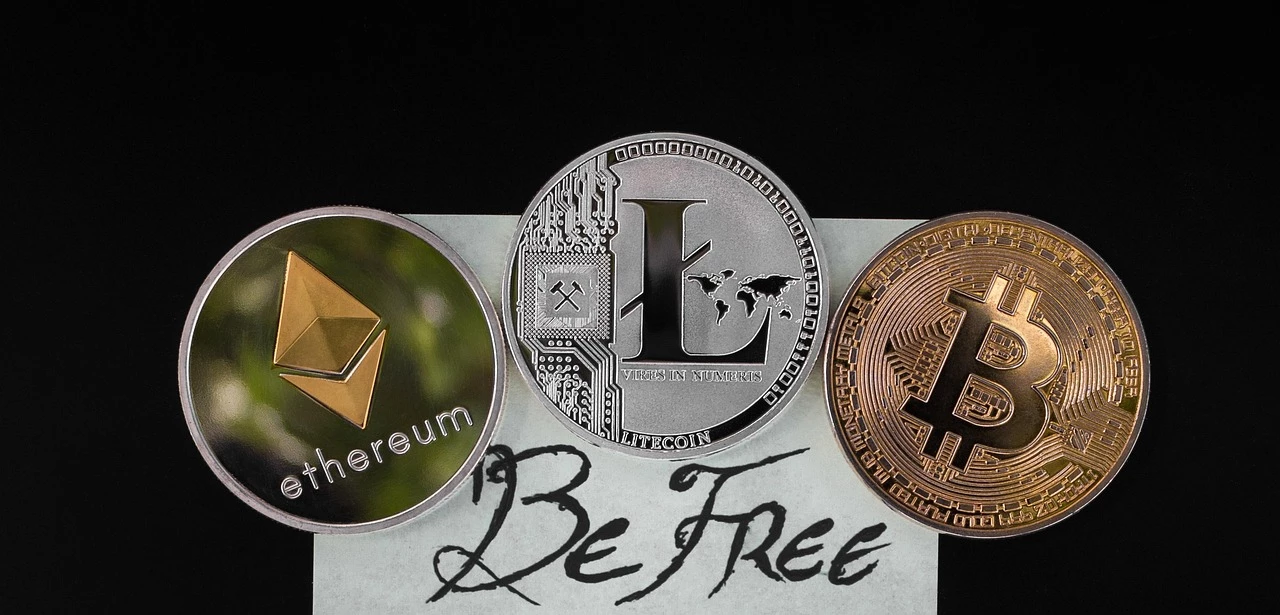
Why Ethereum is the Cornerstone of Decentralized Finance
Ethereum is often hailed as the backbone of decentralized finance (DeFi), where it facilitates a new wave of financial services beyond traditional banking.
The platform's innovative smart contract functionality allows developers to create a wide array of decentralized applications (dApps), making it a cornerstone in the blockchain ecosystem.
As the demand for DeFi solutions continues to grow, understanding Ethereum's role becomes increasingly important for investors and developers alike.
The Rise of Decentralized Finance (DeFi)
What is DeFi?
Decentralized Finance, or DeFi, refers to a financial system built on blockchain technology that operates without traditional intermediaries.
By using smart contracts on platforms like Ethereum, DeFi applications enable users to lend, borrow, trade, and earn interest on their digital assets.
Ethereum's Smart Contract Revolution
Smart contracts are self-executing contracts with the terms of the agreement directly written into code, allowing for trustless transactions.
Ethereum's programmable blockchain provides the ideal environment for these contracts, leading to rapid innovation in the DeFi space.
Ethereum's Dominance in the DeFi Space
Market Share and Leading Protocols
Ethereum dominates the DeFi market, hosting the majority of DeFi protocols such as Uniswap, Aave, and Compound.
These protocols collectively hold billions in total value locked (TVL), showcasing Ethereum's pivotal role in the DeFi landscape.
Cross-Chain Innovations
Recent developments in cross-chain technology are expanding Ethereum's reach, allowing it to interact with other blockchains.
This interoperability enhances liquidity and user experience, drawing more participants into the DeFi ecosystem.
Challenges Facing Ethereum in DeFi
Scalability Issues
Despite its strengths, Ethereum faces scalability challenges, particularly during peak usage times, leading to high transaction fees and slower processing times.
The upcoming Ethereum 2.0 upgrade aims to address these issues by transitioning to a proof-of-stake consensus mechanism.
Regulatory Scrutiny
As DeFi grows, it attracts regulatory attention, which may impact how protocols operate and evolve.
Stakeholders must navigate this evolving landscape carefully to ensure compliance while fostering innovation.
The Future of DeFi on Ethereum
Sustainability and Energy Efficiency
The shift to Ethereum 2.0 is not just about scalability; it also emphasizes sustainability, aiming for a more energy-efficient network.
This transition could attract environmentally conscious investors and users to the DeFi space.
Most outcomes in Why Ethereum is the Cornerstone of Decentralized Finance come from repeatable systems. Define assumptions, risks, invalidation points, and a recheck cadence. This habit beats narratives. Use KULA as a lens, but let decisions follow current data, not hype. Clarity in scope and metrics keeps teams aligned in Why Ethereum is the Cornerstone of Decentralized Finance. Write crisp definitions of done, instrument the path to green, and audit dependencies. Small, testable changes lower risk and speed up feedback. Focus on liquidity, counterparty risk, and execution quality in Why Ethereum is the Cornerstone of Decentralized Finance. Prefer clear fee schedules and avoid hidden slippage. When uncertainty rises, reduce position size and extend review intervals. Builders who last in Why Ethereum is the Cornerstone of Decentralized Finance do unglamorous work. Document edge cases, measure latency, track fees and liquidity, and review error budgets. Discipline compounds faster than hot takes. Treat KULA as one variable in a wider model. Operating in Why Ethereum is the Cornerstone of Decentralized Finance benefits from early telemetry and automated dashboards. Transparency reduces rework and panic moves. When KULA shifts, context is already captured, so you can adjust calmly instead of reacting late.
Operating in Why Ethereum is the Cornerstone of Decentralized Finance benefits from early telemetry and automated dashboards. Transparency reduces rework and panic moves. When KULA shifts, context is already captured, so you can adjust calmly instead of reacting late. Focus on liquidity, counterparty risk, and execution quality in Why Ethereum is the Cornerstone of Decentralized Finance. Prefer clear fee schedules and avoid hidden slippage. When uncertainty rises, reduce position size and extend review intervals. Clarity in scope and metrics keeps teams aligned in Why Ethereum is the Cornerstone of Decentralized Finance. Write crisp definitions of done, instrument the path to green, and audit dependencies. Small, testable changes lower risk and speed up feedback. Builders who last in Why Ethereum is the Cornerstone of Decentralized Finance do unglamorous work. Document edge cases, measure latency, track fees and liquidity, and review error budgets. Discipline compounds faster than hot takes. Treat KULA as one variable in a wider model.
Most outcomes in Why Ethereum is the Cornerstone of Decentralized Finance come from repeatable systems. Define assumptions, risks, invalidation points, and a recheck cadence. This habit beats narratives. Use KULA as a lens, but let decisions follow current data, not hype. Focus on liquidity, counterparty risk, and execution quality in Why Ethereum is the Cornerstone of Decentralized Finance. Prefer clear fee schedules and avoid hidden slippage. When uncertainty rises, reduce position size and extend review intervals. Operating in Why Ethereum is the Cornerstone of Decentralized Finance benefits from early telemetry and automated dashboards. Transparency reduces rework and panic moves. When KULA shifts, context is already captured, so you can adjust calmly instead of reacting late.
Emerging Trends and Innovations
As DeFi continues to mature, expect to see innovative financial products emerge, including derivatives, insurance, and more complex lending protocols.
Staying informed about these trends will be crucial for anyone involved in the blockchain and financial sectors.
Key Takeaways
- Avoid leverage creep during volatility.
- Security checks precede any deployment.
- Cut losers early, let winners work.
- Use data, not headlines, to decide.