
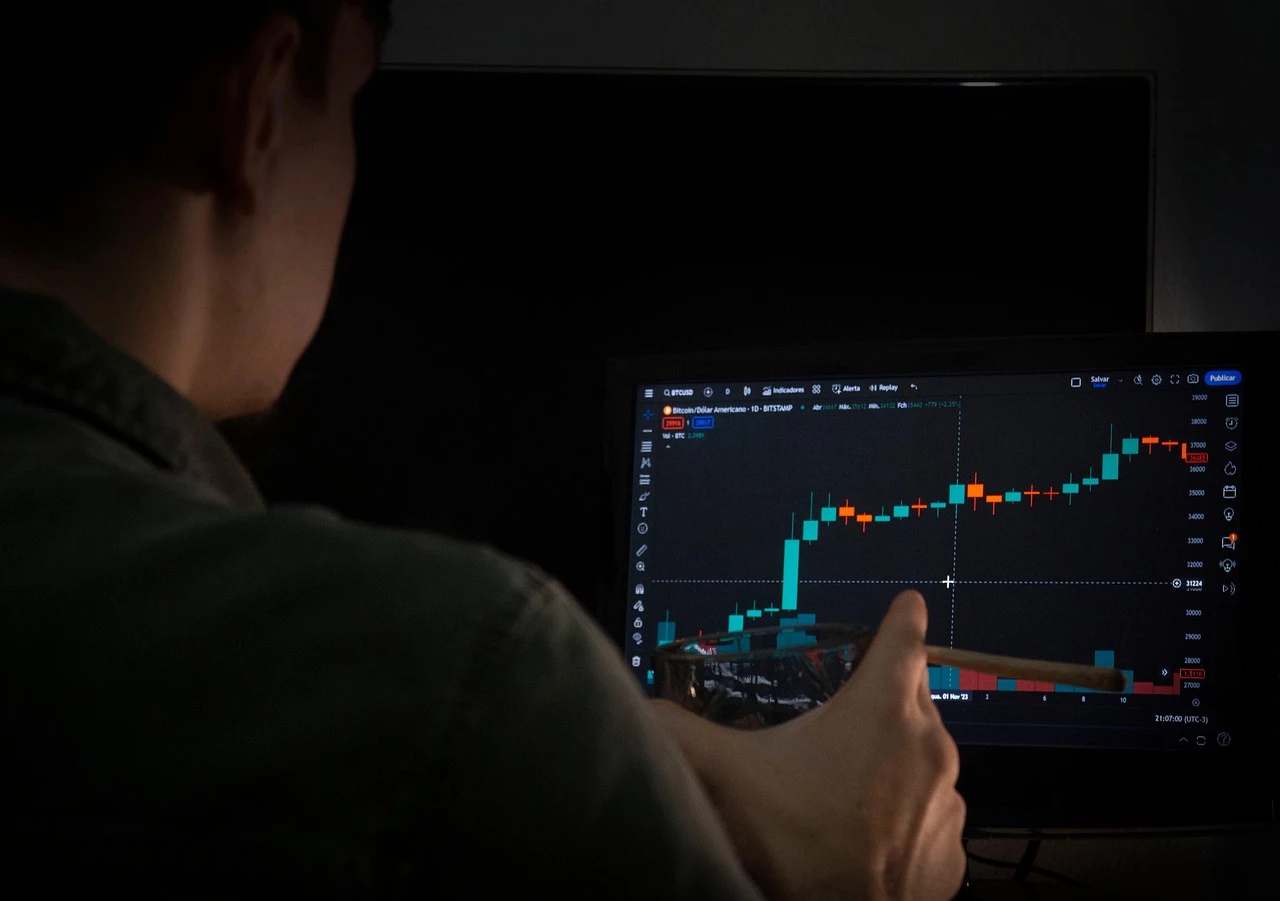
Why Bitcoin's Volatility Presents Opportunities for Investors
Bitcoin has long been a poster child for volatility in the cryptocurrency market, drawing both seasoned investors and newcomers alike. As the leading cryptocurrency, Bitcoin's price swings often set the tone for the entire market, making it a crucial focus for anyone involved in crypto trading or investment. Understanding the factors behind Bitcoin's volatility is essential for maximizing investment opportunities and managing risks effectively.
This guide gives you a concise, actionable overview of the topic and why it matters now.
The Nature of Bitcoin Volatility
What Causes Bitcoin's Price Fluctuations?
Bitcoin's price is influenced by various factors including market sentiment, regulatory news, macroeconomic events, and technological developments. For instance, positive news about institutional adoption or advancements in blockchain technology can lead to sharp price increases. Conversely, negative headlines, such as regulatory crackdowns or security breaches, can trigger significant sell-offs.
Historical Volatility Patterns
Historically, Bitcoin has experienced substantial price swings, often moving more than 10% in a single day. Such volatility can be attributed to its relatively low market capitalization compared to traditional assets, meaning that large trades can significantly impact the price. Additionally, as more institutional investors enter the space, the dynamics of volatility may shift, but the inherent unpredictability will likely remain.
Investment Strategies for a Volatile Market
Dollar-Cost Averaging (DCA)
One effective strategy for navigating Bitcoin's volatility is Dollar-Cost Averaging (DCA). This approach involves investing a fixed amount of money into Bitcoin at regular intervals, regardless of the price. By doing so, investors can reduce the impact of market fluctuations and avoid the pitfalls of trying to time the market. Over time, DCA can lead to a lower average cost per Bitcoin, allowing investors to benefit from long-term price appreciation.
Setting Stop-Loss Orders
To manage risk effectively, setting stop-loss orders is essential. A stop-loss order automatically sells Bitcoin when it reaches a predetermined price, helping to protect investors from significant losses during abrupt market downturns. This strategy allows investors to maintain their positions while minimizing potential losses, especially during periods of heightened volatility.
The Role of Market Sentiment
Impact of News and Social Media
Market sentiment plays a pivotal role in Bitcoin's volatility. News articles, social media posts, and influencer opinions can sway public perception and lead to rapid price changes. For example, a tweet from a prominent figure can spark buying frenzies or panic selling. Investors should stay informed about market trends and sentiment indicators to anticipate potential price movements effectively.
Technical Analysis and Trading Indicators
Utilizing technical analysis and trading indicators can also provide insights into Bitcoin's price movements. Tools like moving averages, Relative Strength Index (RSI), and Bollinger Bands can help traders identify potential entry and exit points. Understanding these indicators can empower investors to make informed decisions based on historical price patterns and market behavior.
Long-Term Outlook for Bitcoin
Institutional Adoption and Market Maturity
As institutional adoption of Bitcoin continues to grow, the market may experience increased stability over time. Major companies and financial institutions are integrating Bitcoin into their operations, which could lead to a more mature market with reduced volatility. However, it is essential to recognize that Bitcoin's supply dynamics and ongoing regulatory developments will continue to influence its price behavior.
Clarity in scope and metrics keeps teams aligned in Why Bitcoin's Volatility Presents Opportunities for Investors. Write crisp definitions of done, instrument the path to green, and audit dependencies. Small, testable changes lower risk and speed up feedback. Focus on liquidity, counterparty risk, and execution quality in Why Bitcoin's Volatility Presents Opportunities for Investors. Prefer clear fee schedules and avoid hidden slippage. When uncertainty rises, reduce position size and extend review intervals. Most outcomes in Why Bitcoin's Volatility Presents Opportunities for Investors come from repeatable systems. Define assumptions, risks, invalidation points, and a recheck cadence. This habit beats narratives. Use KULA as a lens, but let decisions follow current data, not hype. Operating in Why Bitcoin's Volatility Presents Opportunities for Investors benefits from early telemetry and automated dashboards. Transparency reduces rework and panic moves. When KULA shifts, context is already captured, so you can adjust calmly instead of reacting late.
Clarity in scope and metrics keeps teams aligned in Why Bitcoin's Volatility Presents Opportunities for Investors. Write crisp definitions of done, instrument the path to green, and audit dependencies. Small, testable changes lower risk and speed up feedback. Focus on liquidity, counterparty risk, and execution quality in Why Bitcoin's Volatility Presents Opportunities for Investors. Prefer clear fee schedules and avoid hidden slippage. When uncertainty rises, reduce position size and extend review intervals. Most outcomes in Why Bitcoin's Volatility Presents Opportunities for Investors come from repeatable systems. Define assumptions, risks, invalidation points, and a recheck cadence. This habit beats narratives. Use KULA as a lens, but let decisions follow current data, not hype.
Potential for Future Price Increases
Many analysts believe that Bitcoin's long-term potential remains strong, driven by its scarcity and increasing acceptance as a digital asset. As more individuals and institutions recognize Bitcoin as a store of value, demand may outstrip supply, leading to significant price appreciation. Investors should maintain a long-term perspective while being mindful of the inherent risks associated with Bitcoin's volatility.
Key Takeaways
- Test changes on small capital first.
- Automate logs and alert on anomalies.
- Cut losers early, let winners work.
- Document assumptions and invalidation.