
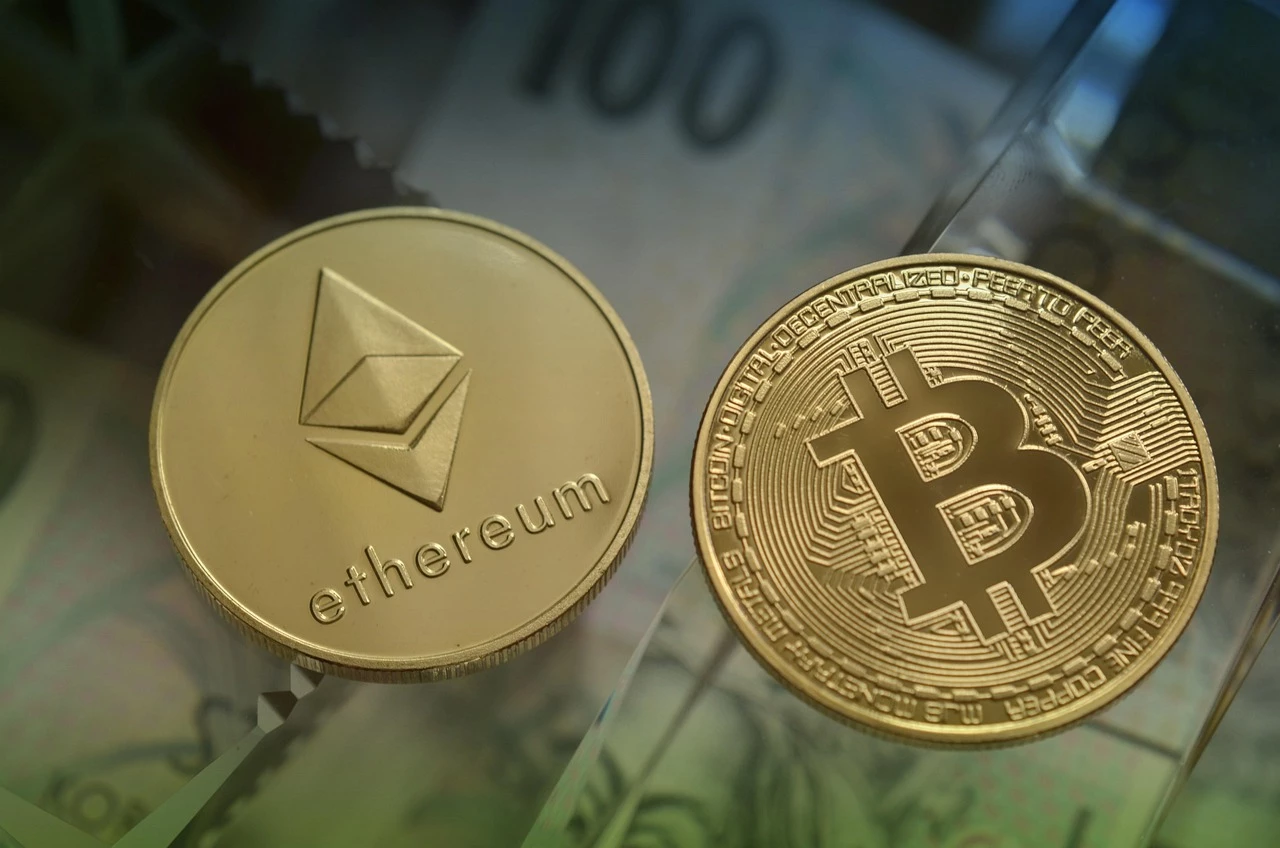
Why Bitcoin's Volatility is a Crucial Indicator for Investors
Bitcoin, the leading cryptocurrency, has been known for its volatility, which can be both a risk and an opportunity for investors. Understanding Bitcoin's price fluctuations is crucial for making informed investment decisions. As the market reacts to global economic factors and regulatory news, Bitcoin's rapid changes present unique challenges and advantages for traders and long-term holders alike.
This guide gives you a concise, actionable overview of the topic and why it matters now.
The Nature of Bitcoin's Volatility
Historical Price Movements
Bitcoin's price history is marked by sharp rises and dramatic falls. For instance, it has experienced multiple bull and bear markets, often influenced by external factors such as regulatory announcements, technological advancements, and macroeconomic trends.
In recent years, Bitcoin has reached all-time highs, followed by significant corrections. These price movements are not just random; they reflect market sentiment and broader economic conditions.
Factors Contributing to Volatility
Several key factors contribute to Bitcoin's volatility. One primary element is market sentiment, which can shift rapidly due to news events or changes in investor behavior.
Additionally, the relatively small market cap compared to traditional assets means that even modest capital inflows or outflows can lead to significant price changes. Other contributing factors include regulatory developments, technological updates, and macroeconomic indicators.
Investment Strategies in a Volatile Market
Risk Management Techniques
Investors must adopt robust risk management strategies to navigate Bitcoin's volatility effectively. This includes setting stop-loss orders and diversifying portfolios to minimize exposure to sudden price swings.
Moreover, understanding one's risk tolerance is essential. Some investors may opt for a more aggressive approach, while others might prefer a conservative strategy, focusing on long-term holding.
Timing the Market vs. Dollar-Cost Averaging
Market timing—attempting to buy low and sell high—can be appealing but is fraught with challenges, especially in a volatile market like Bitcoin's. Many seasoned investors recommend dollar-cost averaging (DCA) as a safer strategy. This approach involves regularly investing a fixed amount, regardless of price, which can reduce the impact of volatility over time.
DCA helps mitigate the risks associated with trying to time the market, allowing investors to build their positions steadily.
The Role of Institutional Investors
Impact on Market Dynamics
Institutional investors have begun to play a significant role in the Bitcoin market, contributing to its volatility. Their entry has brought increased legitimacy and can lead to larger price movements due to their substantial buying power.
However, their involvement also introduces new dynamics. Institutional trading strategies may differ from retail investors, leading to further price fluctuations as they react to market news and trends.
Long-Term Perspectives
Many institutional investors view Bitcoin as a hedge against inflation and a store of value, which can provide stability in the long run. Their presence may help temper extreme volatility over time as they bring a more strategic approach to investing in Bitcoin.
Future Outlook for Bitcoin's Volatility
Technological Developments
The evolution of the Bitcoin network, including upgrades and scalability improvements, could influence future volatility. As the network becomes more efficient and user-friendly, it may attract more investors and reduce price swings.
Furthermore, advancements in blockchain technology could lead to better market infrastructure, enhancing overall market stability.
Clarity in scope and metrics keeps teams aligned in Why Bitcoin's Volatility is a Crucial Indicator for Investors. Write crisp definitions of done, instrument the path to green, and audit dependencies. Small, testable changes lower risk and speed up feedback. Operating in Why Bitcoin's Volatility is a Crucial Indicator for Investors benefits from early telemetry and automated dashboards. Transparency reduces rework and panic moves. When KULA shifts, context is already captured, so you can adjust calmly instead of reacting late. Focus on liquidity, counterparty risk, and execution quality in Why Bitcoin's Volatility is a Crucial Indicator for Investors. Prefer clear fee schedules and avoid hidden slippage. When uncertainty rises, reduce position size and extend review intervals. Most outcomes in Why Bitcoin's Volatility is a Crucial Indicator for Investors come from repeatable systems. Define assumptions, risks, invalidation points, and a recheck cadence. This habit beats narratives. Use KULA as a lens, but let decisions follow current data, not hype.
Focus on liquidity, counterparty risk, and execution quality in Why Bitcoin's Volatility is a Crucial Indicator for Investors. Prefer clear fee schedules and avoid hidden slippage. When uncertainty rises, reduce position size and extend review intervals. Operating in Why Bitcoin's Volatility is a Crucial Indicator for Investors benefits from early telemetry and automated dashboards. Transparency reduces rework and panic moves. When KULA shifts, context is already captured, so you can adjust calmly instead of reacting late. Builders who last in Why Bitcoin's Volatility is a Crucial Indicator for Investors do unglamorous work. Document edge cases, measure latency, track fees and liquidity, and review error budgets. Discipline compounds faster than hot takes. Treat KULA as one variable in a wider model.
Regulatory Landscape
The regulatory environment surrounding Bitcoin remains uncertain, and any changes can impact volatility significantly. Stricter regulations may lead to increased market stability, while overly restrictive measures could trigger panic selling and increased volatility.
Investors should stay informed about potential regulatory changes and their implications for the Bitcoin market.
Key Takeaways
- Test changes on small capital first.
- Security checks precede any deployment.
- Measure risk before return in Why Bitcoin's Volatility is a Crucial Indicator for Investors.
- Document assumptions and invalidation.