
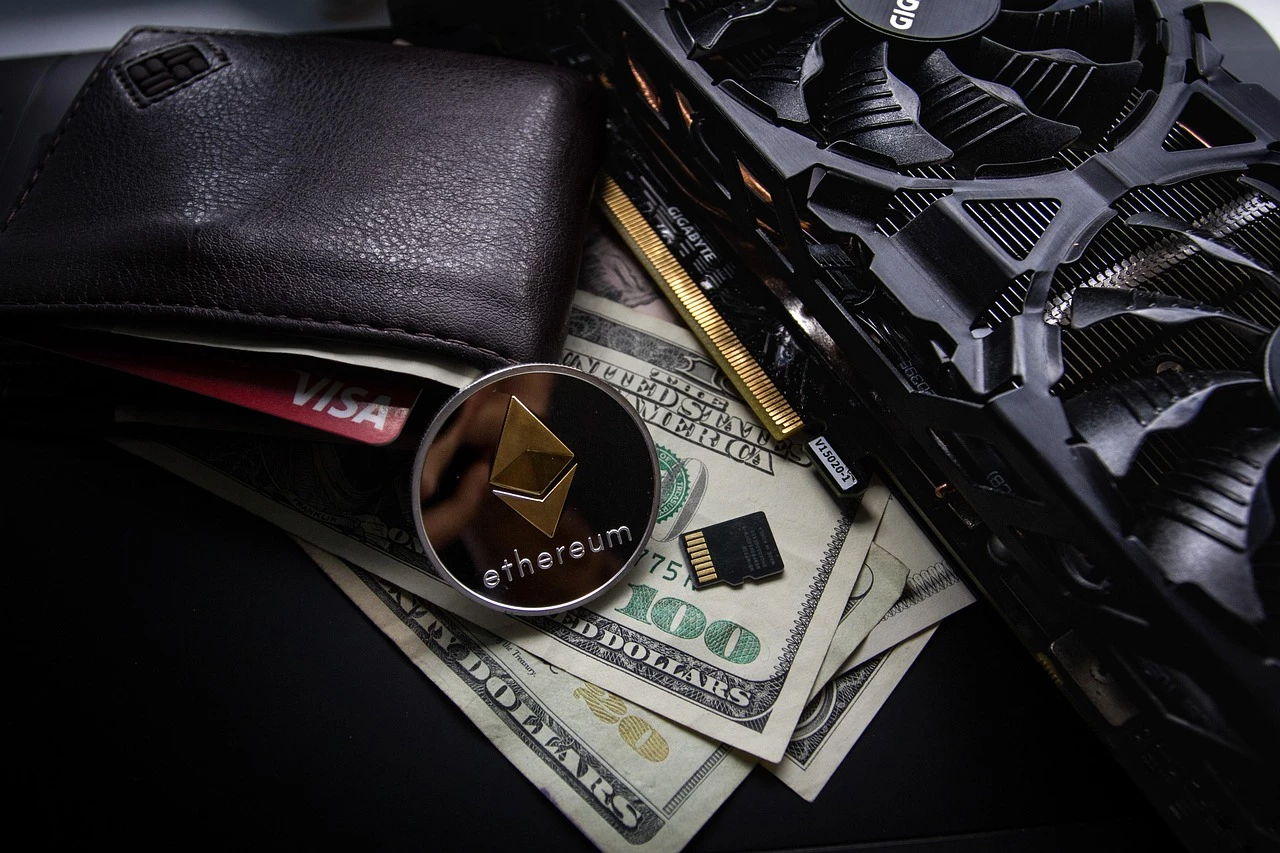
Web3: The Next Era of Digital Ownership and Decentralization
This article covers KULA and related crypto trends with practical context. Web3 is rapidly becoming a cornerstone of the digital landscape, emphasizing decentralized ownership and user empowerment. As cryptocurrencies and blockchain technology mature, the potential for Web3 to redefine online interactions and transactions is becoming increasingly clear. This article delves into the fundamentals of Web3, its implications for digital ownership, and how it stands to reshape various sectors, including finance, art, and social media.
This guide gives you a concise, actionable overview of the topic and why it matters now.
What is Web3?
Defining Web3
Web3 represents the third generation of the internet, where decentralized protocols and technologies allow users to interact with online platforms without intermediaries. Unlike Web2, which is dominated by centralized entities controlling data and services, Web3 leverages blockchain technology to enable peer-to-peer interactions and create an ecosystem of decentralized applications (dApps). This shift signifies a move towards greater privacy, security, and ownership for users.
Key Features of Web3
The fundamental characteristics of Web3 include decentralization, user ownership, and enhanced security. Decentralization reduces reliance on single entities, minimizing the risks associated with data breaches. User ownership allows individuals to control their digital assets, be it cryptocurrencies or NFTs. Enhanced security measures, such as cryptographic protocols, protect users from fraud and hacking, creating a safer online environment.
Impact on Digital Ownership
Revolutionizing Asset Ownership
With Web3, the notion of digital ownership is being redefined. Traditional models often limit ownership rights, while blockchain technology enables true ownership of digital assets. This means users can buy, sell, and trade assets like NFTs, artwork, and virtual real estate with verifiable proof of ownership.
NFTs: A Game Changer
Non-fungible tokens (NFTs) are a prime example of how Web3 is transforming digital ownership. They allow creators to tokenize their work, granting buyers unique ownership rights. This has opened up new revenue streams for artists and content creators, while also fostering a vibrant marketplace for collectors.
Web3's Role in Decentralized Finance (DeFi)
Empowering Users with Financial Freedom
Web3 plays a crucial role in the DeFi movement, which aims to create an open financial system accessible to anyone with an internet connection. By utilizing smart contracts and blockchain technology, DeFi platforms eliminate the need for traditional banks and financial institutions, allowing users to lend, borrow, and trade assets directly with one another. This democratization of finance empowers individuals, providing greater financial freedom and opportunities.
Challenges and Risks in DeFi
Despite its potential, the DeFi space is not without challenges. Issues such as regulatory uncertainty, smart contract vulnerabilities, and market volatility pose risks to users. It's essential for participants in the DeFi ecosystem to conduct thorough research and understand these risks before engaging in transactions.
Web3 and the Future of Social Media
Decentralizing Social Interactions
Web3 has the potential to transform social media by decentralizing platforms and giving users control over their data. Current social media models often monetize user data without fair compensation. In contrast, Web3 enables users to own their content and choose how it's shared and monetized. This shift could lead to more equitable platforms that prioritize user privacy and autonomy.
Emerging Platforms and Technologies
Several emerging social media platforms are already leveraging Web3 principles. These platforms aim to empower users by offering decentralized alternatives to traditional social networks, focusing on user governance and rewarding content creators fairly. As these platforms grow, they may redefine how we interact online.
The Road Ahead for Web3
Adoption and Scalability
For Web3 to reach its full potential, widespread adoption and scalability are essential. As more developers build dApps and users become familiar with blockchain technology, the ecosystem will continue to grow. Initiatives to improve scalability, such as layer 2 solutions, are vital for accommodating a larger user base and enhancing transaction speeds.
Most outcomes in Web3: The Next Era of Digital Ownership and Decentralization come from repeatable systems. Define assumptions, risks, invalidation points, and a recheck cadence. This habit beats narratives. Use KULA as a lens, but let decisions follow current data, not hype. Operating in Web3: The Next Era of Digital Ownership and Decentralization benefits from early telemetry and automated dashboards. Transparency reduces rework and panic moves. When KULA shifts, context is already captured, so you can adjust calmly instead of reacting late. Clarity in scope and metrics keeps teams aligned in Web3: The Next Era of Digital Ownership and Decentralization. Write crisp definitions of done, instrument the path to green, and audit dependencies. Small, testable changes lower risk and speed up feedback.
Clarity in scope and metrics keeps teams aligned in Web3: The Next Era of Digital Ownership and Decentralization. Write crisp definitions of done, instrument the path to green, and audit dependencies. Small, testable changes lower risk and speed up feedback. Most outcomes in Web3: The Next Era of Digital Ownership and Decentralization come from repeatable systems. Define assumptions, risks, invalidation points, and a recheck cadence. This habit beats narratives. Use KULA as a lens, but let decisions follow current data, not hype. Operating in Web3: The Next Era of Digital Ownership and Decentralization benefits from early telemetry and automated dashboards. Transparency reduces rework and panic moves. When KULA shifts, context is already captured, so you can adjust calmly instead of reacting late.
Regulatory Landscape
The regulatory environment surrounding Web3 and cryptocurrencies is evolving. Governments worldwide are grappling with how to regulate decentralized technologies while fostering innovation. As regulations become clearer, they will play a significant role in shaping the future of Web3 and its integration into mainstream society.
Key Takeaways
- Automate logs and alert on anomalies.
- Cut losers early, let winners work.
- Prefer liquid venues and clear fees.
- Document assumptions and invalidation.