
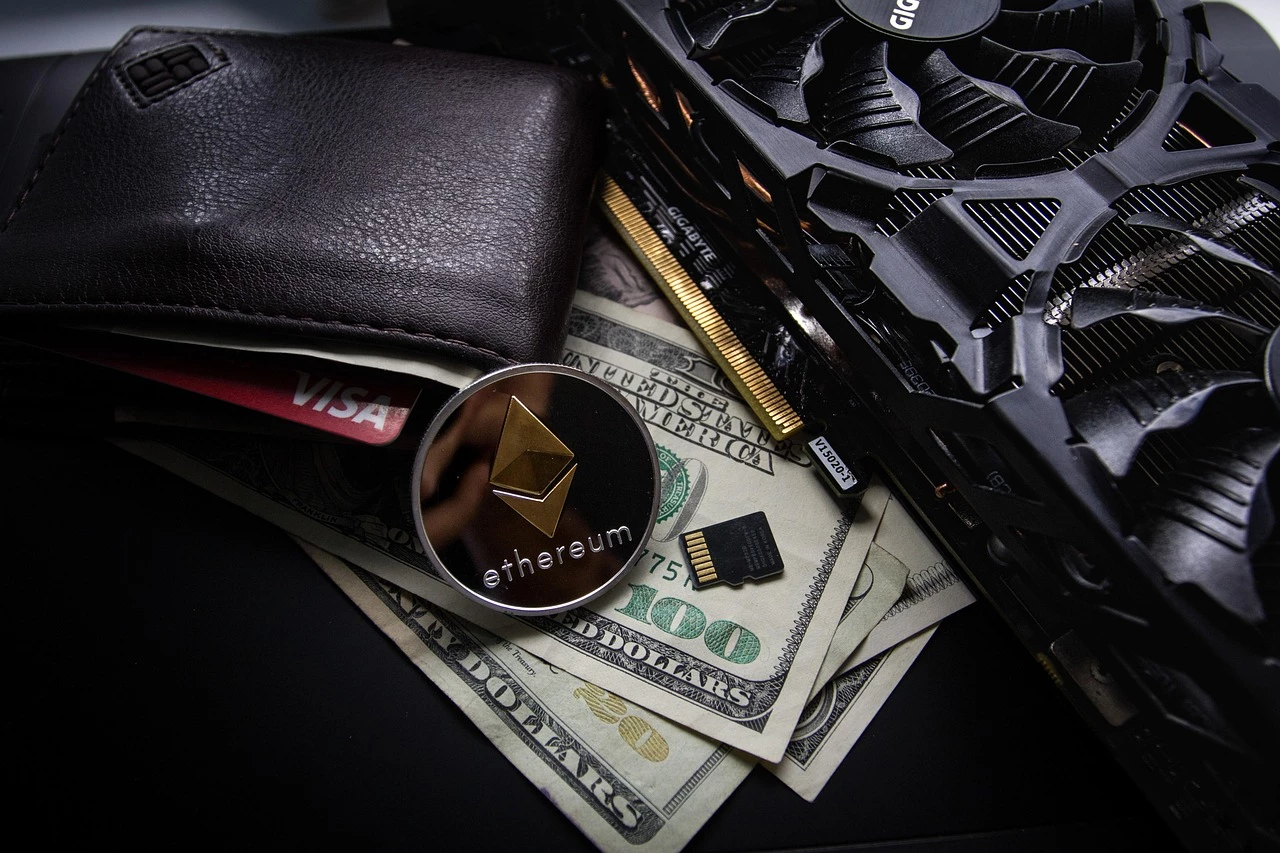
Tokenization: The Next Frontier in Digital Assets
This article covers KULA and related crypto trends with practical context. Tokenization is rapidly emerging as a pivotal development in the realm of digital assets, promising to transform how we perceive ownership and investment. By converting real-world assets (RWAs) into digital tokens, the process paves the way for increased liquidity, accessibility, and security in transactions. This article delves into the intricacies of tokenization, its implications for various sectors, and why it is poised to become a cornerstone of the cryptocurrency ecosystem.
This guide gives you a concise, actionable overview of the topic and why it matters now.
What is Tokenization?
Defining Tokenization
Tokenization refers to the process of converting ownership rights of real-world assets into digital tokens that reside on a blockchain. This can include everything from real estate and art to stocks and commodities. By creating a digital representation of an asset, tokenization enables fractional ownership, making it more accessible to a broader range of investors.
The Mechanics Behind Tokenization
At its core, tokenization involves smart contracts—self-executing contracts with the terms of the agreement directly written into code. When an asset is tokenized, the smart contract governs the rules of ownership, transfer, and management. This not only enhances security but also automates processes, reducing the need for intermediaries.
The Benefits of Tokenization
Increased Liquidity
Tokenization significantly enhances liquidity by allowing assets to be traded 24/7 on various decentralized platforms. Unlike traditional assets that may require lengthy processes for buying or selling, tokenized assets can be exchanged almost instantaneously, thus attracting more investors.
Broader Accessibility
By enabling fractional ownership, tokenization allows smaller investors to participate in markets that were previously out of reach. This democratization of investment opportunities is particularly beneficial in sectors like real estate, where high entry costs have historically limited participation.
Enhanced Security and Transparency
With blockchain technology, tokenized assets benefit from heightened security measures. Transactions are recorded on an immutable ledger, which increases transparency and trust among participants. Furthermore, the use of smart contracts helps ensure compliance with regulations, reducing the risk of fraud.
Real-World Applications of Tokenization
Real Estate Tokenization
Real estate tokenization is one of the most promising applications, allowing properties to be divided into shares that can be bought and sold easily. This approach not only streamlines transactions but also opens up the market to a wider array of investors.
Art and Collectibles
Artworks and collectibles can also be tokenized, enabling fractional ownership and making it easier for investors to engage with high-value assets. This method provides artists and creators with new revenue streams while offering collectors the chance to invest in high-demand pieces without needing full ownership.
Tokenized Securities
Companies are increasingly exploring tokenized securities, which represent shares of stock or other financial instruments. This innovation could lead to a more efficient capital-raising process while providing investors with greater flexibility and lower transaction costs.
Challenges Facing Tokenization
Regulatory Hurdles
Despite its potential, tokenization faces significant regulatory challenges. Different jurisdictions have varying rules regarding securities, and navigating these complexities can be daunting for companies looking to tokenize assets.
Technological Limitations
While blockchain technology has advanced significantly, scalability and interoperability remain concerns. As tokenization grows, the underlying infrastructure must be robust enough to handle increased transaction volumes without compromising speed or security.
The Future of Tokenization
Integration with Traditional Finance
The future of tokenization likely involves deeper integration with traditional financial systems. As more institutions embrace digital assets, we may see a shift in how investments are made, with tokenization playing a central role in bridging the gap between the old and new financial paradigms.
Builders who last in Tokenization: The Next Frontier in Digital Assets do unglamorous work. Document edge cases, measure latency, track fees and liquidity, and review error budgets. Discipline compounds faster than hot takes. Treat KULA as one variable in a wider model. Operating in Tokenization: The Next Frontier in Digital Assets benefits from early telemetry and automated dashboards. Transparency reduces rework and panic moves. When KULA shifts, context is already captured, so you can adjust calmly instead of reacting late. Most outcomes in Tokenization: The Next Frontier in Digital Assets come from repeatable systems. Define assumptions, risks, invalidation points, and a recheck cadence. This habit beats narratives. Use KULA as a lens, but let decisions follow current data, not hype.
Focus on liquidity, counterparty risk, and execution quality in Tokenization: The Next Frontier in Digital Assets. Prefer clear fee schedules and avoid hidden slippage. When uncertainty rises, reduce position size and extend review intervals. Clarity in scope and metrics keeps teams aligned in Tokenization: The Next Frontier in Digital Assets. Write crisp definitions of done, instrument the path to green, and audit dependencies. Small, testable changes lower risk and speed up feedback. Builders who last in Tokenization: The Next Frontier in Digital Assets do unglamorous work. Document edge cases, measure latency, track fees and liquidity, and review error budgets. Discipline compounds faster than hot takes. Treat KULA as one variable in a wider model.
Innovation in Asset Classes
Tokenization will also continue to drive innovation in various asset classes. As industries explore the benefits of digital ownership, new opportunities will emerge, transforming how we think about and interact with assets.
Key Takeaways
- Use data, not headlines, to decide.
- Test changes on small capital first.
- Document assumptions and invalidation.
- Avoid leverage creep during volatility.