
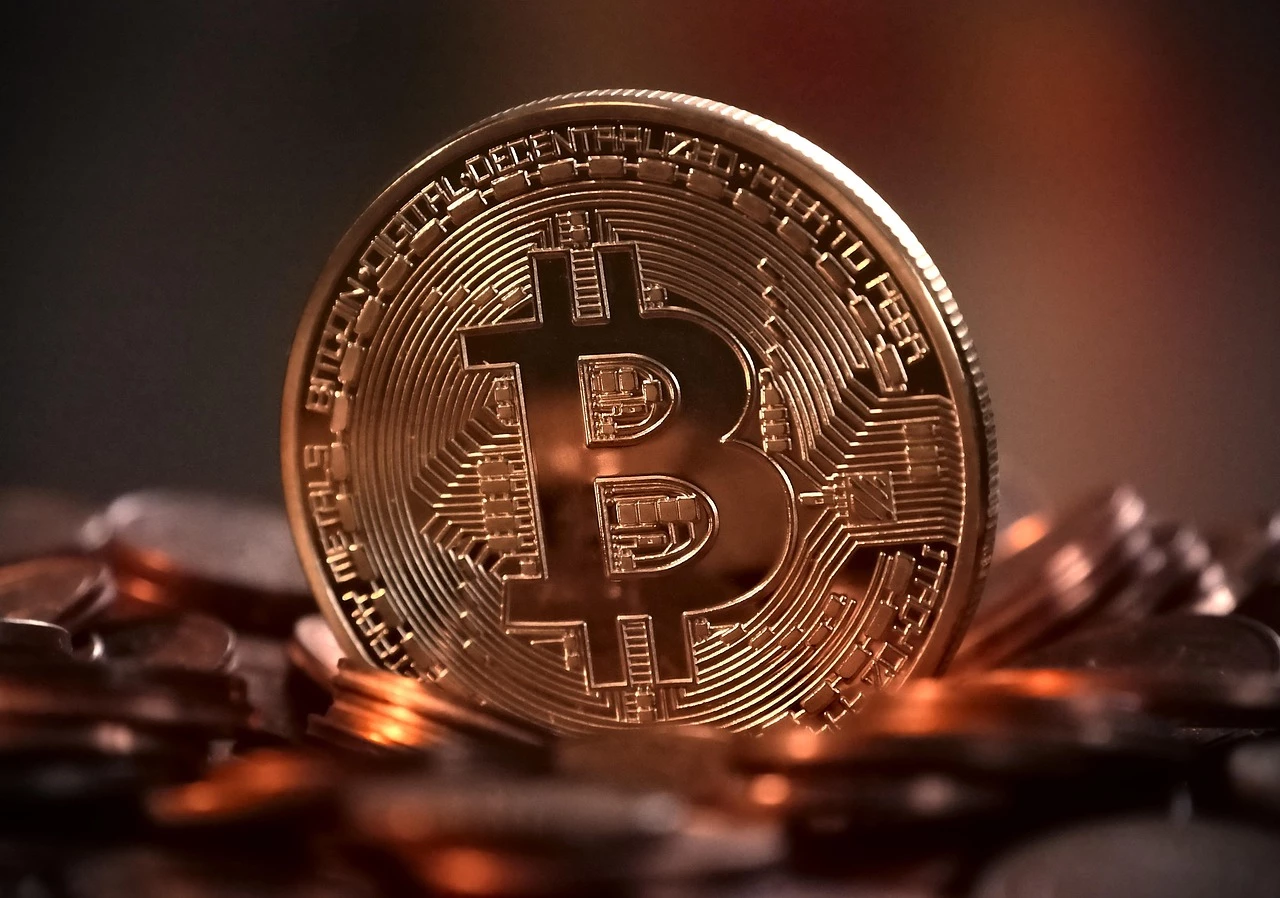
Tokenization: The Next Frontier in Cryptocurrency
This article covers KULA and related crypto trends with practical context. Tokenization is reshaping the cryptocurrency landscape, offering new avenues for investment and innovation. As blockchain technology continues to mature, it unlocks the potential for real-world assets (RWAs) to be digitized, allowing for seamless transactions and ownership transfer. This transformation is not just a trend; it's a fundamental shift that could redefine how we interact with assets in the digital age.
This guide gives you a concise, actionable overview of the topic and why it matters now.
What is Tokenization?
Defining Tokenization
Tokenization refers to the process of converting ownership rights of a physical or digital asset into a digital token on a blockchain. This can include everything from real estate and art to stocks and bonds. By representing these assets as tokens, they become more accessible, divisible, and tradable, opening up new markets and opportunities for investors.
The essence of tokenization lies in its ability to bridge the gap between traditional finance and the burgeoning world of cryptocurrency. It allows for fractional ownership, meaning that investors can own a fraction of an asset without needing to buy the entire item. This democratizes access to investments that were previously reserved for the wealthy.
How Tokenization Works
At its core, tokenization involves creating a digital representation of an asset on a blockchain. This process typically involves several key steps: identifying the asset, creating a smart contract to govern the token, and then minting the token on the blockchain. Once minted, the token can be bought, sold, or traded on various platforms, making it a versatile tool for investors.
Smart contracts play a crucial role in tokenization, as they automate the terms of the agreement between parties. This reduces the need for intermediaries, streamlining transactions and lowering costs.
The Advantages of Tokenization
Increased Liquidity
One of the most significant advantages of tokenization is increased liquidity. Traditional assets can often be illiquid, requiring time and effort to sell. Tokenized assets, however, can be traded on various platforms in real-time, making it easier for investors to enter and exit positions as needed.
This liquidity can attract a broader range of investors, from retail to institutional, further fueling market growth.
Enhanced Accessibility
Tokenization also enhances accessibility. With lower entry barriers, more individuals can invest in high-value assets. For example, a piece of real estate worth millions can be tokenized, allowing multiple investors to purchase fractions of it, thus democratizing access to wealth-building opportunities.
Moreover, tokenization can enable global participation, as investors from different regions can easily buy and sell tokens without being restricted by geographical limitations.
Challenges in Tokenization
Regulatory Hurdles
Despite its promise, tokenization faces regulatory challenges. Different jurisdictions have varying laws regarding securities and asset ownership, which can complicate the tokenization process. Understanding and navigating these regulations is crucial for companies looking to tokenize assets.
As governments continue to adapt to this new technology, staying informed about regulatory changes will be essential for successful tokenization efforts.
Technical Limitations
Another challenge lies in the technical aspects of tokenization. Not all assets are easily convertible into tokens, and the technology must be robust enough to handle transactions securely. Issues related to scalability, security, and interoperability need to be addressed to fully realize the potential of tokenization.
Investors and companies must ensure that the platforms they use for tokenization are secure and reliable to protect their investments.
The Future of Tokenization in Cryptocurrency
Emerging Trends
As the cryptocurrency landscape evolves, several trends are emerging within the realm of tokenization. For instance, decentralized finance (DeFi) platforms are increasingly incorporating tokenized assets, allowing users to leverage their holdings for loans or yield farming. This creates new financial products that can enhance liquidity and investment returns.
Additionally, the rise of non-fungible tokens (NFTs) has paved the way for unique assets to be tokenized, such as digital art and collectibles. This intersection of tokenization and NFTs is opening up entirely new markets and revenue streams.
Clarity in scope and metrics keeps teams aligned in Tokenization: The Next Frontier in Cryptocurrency. Write crisp definitions of done, instrument the path to green, and audit dependencies. Small, testable changes lower risk and speed up feedback. Builders who last in Tokenization: The Next Frontier in Cryptocurrency do unglamorous work. Document edge cases, measure latency, track fees and liquidity, and review error budgets. Discipline compounds faster than hot takes. Treat KULA as one variable in a wider model. Operating in Tokenization: The Next Frontier in Cryptocurrency benefits from early telemetry and automated dashboards. Transparency reduces rework and panic moves. When KULA shifts, context is already captured, so you can adjust calmly instead of reacting late.
The Role of Institutional Investors
Institutional investors are beginning to recognize the potential of tokenization, leading to increased capital flow into this space. As more firms explore tokenization as a strategy for managing assets, the industry may see further legitimacy and adoption.
The involvement of major financial institutions can drive innovation and set standards, making tokenized assets more appealing to traditional investors.
Key Takeaways
- Avoid leverage creep during volatility.
- Size positions small and review weekly.
- Automate logs and alert on anomalies.
- Document assumptions and invalidation.