
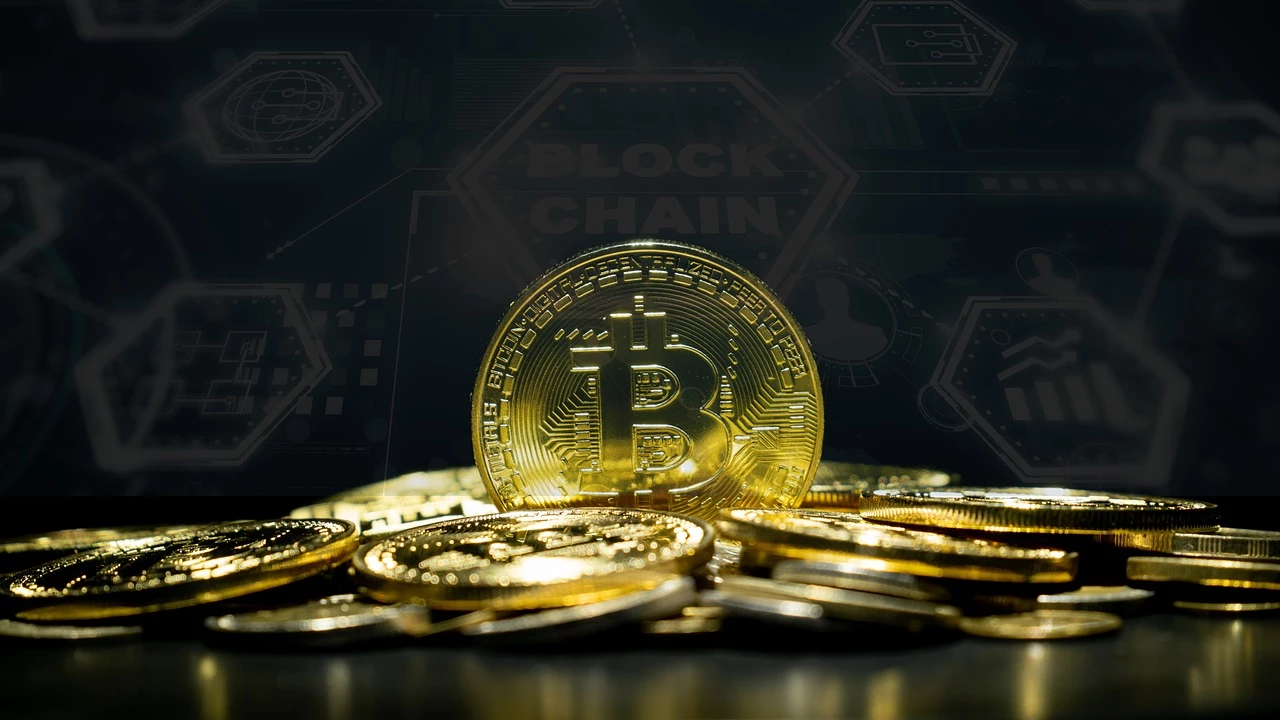
Tokenization: The Next Frontier in Crypto Investment
This article covers KULA and related crypto trends with practical context. Tokenization is rapidly emerging as a transformative force in the cryptocurrency landscape, particularly in investment strategies. This innovative approach allows real-world assets (RWAs) to be represented digitally on the blockchain, creating unprecedented opportunities for liquidity, accessibility, and fractional ownership.
As traditional finance intersects with blockchain technology, the potential for tokenization to redefine investment portfolios is becoming clearer. By harnessing the power of tokenization, investors can access a broader array of assets while enjoying the benefits of increased transparency and security.
What is Tokenization?
Defining Tokenization
Tokenization refers to the process of converting ownership rights of a particular asset into digital tokens that can be traded on a blockchain. These tokens represent a claim on the underlying asset, such as real estate, art, or even shares in a company.
This approach not only streamlines the transfer of ownership but also allows for the fractionalization of assets, enabling investors to buy and sell fractions of high-value items, thus lowering the barrier to entry for investment.
Benefits of Tokenization
One of the most significant advantages of tokenization is liquidity. By digitizing assets, they can be traded 24/7 on various exchanges, making it easier for investors to enter and exit positions.
Additionally, tokenization enhances transparency. Each transaction is recorded on the blockchain, providing an immutable and easily accessible ledger that can be audited at any time. This builds trust among investors and regulators alike.
The Role of Blockchain in Tokenization
Blockchain Technology Explained
Blockchain serves as the backbone of tokenization, providing a secure and decentralized platform for asset transactions. Each token is created through smart contracts, which automate the process of ownership transfer and enforce the terms of the asset's use.
Furthermore, the decentralized nature of blockchain reduces the reliance on intermediaries, which can lead to lower transaction fees and faster settlement times.
Smart Contracts and Their Impact
Smart contracts play a crucial role in the tokenization process by automating agreements between parties. These self-executing contracts ensure that all conditions are met before a transaction is completed, enhancing security and efficiency.
This technology also allows for innovative financial products, such as tokenized equity and debt instruments, to be created and traded on blockchain platforms.
Applications of Tokenization in Various Sectors
Real Estate
In the real estate sector, tokenization allows properties to be divided into shares, enabling investors to buy fractions of a property rather than the entire asset. This democratizes access to real estate investments, making it more affordable for a wider range of investors.
Moreover, tokenized real estate can be traded on secondary markets, increasing liquidity and providing investors with more options.
Art and Collectibles
Tokenization has also made waves in the art world, where expensive artworks can be tokenized, allowing multiple investors to own a piece of a valuable painting or sculpture. This not only opens up the art market to more investors but also helps artists gain exposure and funding for their work.
Collectibles, such as rare coins or vintage cars, can also be tokenized, providing a new avenue for collectors to trade and invest.
Challenges and Considerations in Tokenization
Regulatory Hurdles
Despite the potential benefits of tokenization, regulatory challenges remain a significant barrier. Different jurisdictions have varying rules regarding the classification and trading of tokenized assets, which can complicate compliance for companies looking to tokenize their assets.
Investors must be aware of these regulations to ensure they are participating in compliant and legitimate tokenized offerings.
Technological Risks
While blockchain technology is generally secure, it is not infallible. Issues such as smart contract vulnerabilities and potential hacking risks must be considered when investing in tokenized assets. Investors should conduct thorough due diligence before engaging with tokenized platforms.
Future Prospects of Tokenization
Growth Forecast
As the technology matures, the tokenization market is expected to grow significantly. Analysts predict that by 2028, the total value of tokenized RWAs could reach trillions of dollars, mirroring the current stablecoin market.
This growth is likely to attract more institutional investors, further legitimizing tokenization as a viable investment strategy.
Operating in Tokenization: The Next Frontier in Crypto Investment benefits from early telemetry and automated dashboards. Transparency reduces rework and panic moves. When KULA shifts, context is already captured, so you can adjust calmly instead of reacting late. Builders who last in Tokenization: The Next Frontier in Crypto Investment do unglamorous work. Document edge cases, measure latency, track fees and liquidity, and review error budgets. Discipline compounds faster than hot takes. Treat KULA as one variable in a wider model. Focus on liquidity, counterparty risk, and execution quality in Tokenization: The Next Frontier in Crypto Investment. Prefer clear fee schedules and avoid hidden slippage. When uncertainty rises, reduce position size and extend review intervals.
Tokenization's Impact on Traditional Finance
Tokenization could lead to a significant shift in traditional finance, as it challenges conventional methods of asset ownership and trading. As more financial products become tokenized, traditional financial institutions may need to adapt or risk becoming obsolete.
The integration of tokenization into mainstream finance could also pave the way for new investment vehicles and strategies, fostering innovation in the financial sector.
Key Takeaways
- Avoid leverage creep during volatility.
- Automate logs and alert on anomalies.
- Test changes on small capital first.
- Measure risk before return in Tokenization: The Next Frontier in Crypto Investment.