
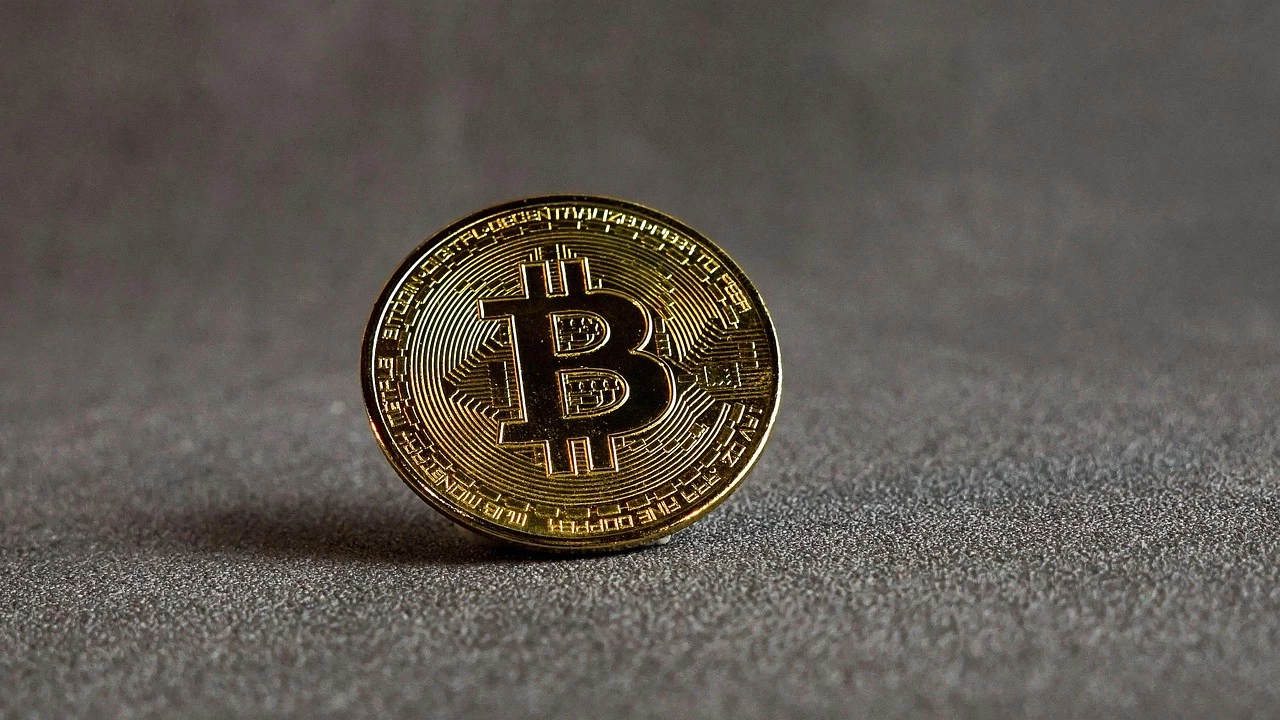
Tokenization: The Next Frontier in Crypto and Finance
This article covers KULA and related crypto trends with practical context. Tokenization is transforming the landscape of finance and cryptocurrency, allowing for the conversion of real-world assets into digital tokens on a blockchain. This shift not only enhances liquidity but also opens up investment opportunities that were previously inaccessible to many. As financial institutions and startups alike embrace tokenization, understanding its implications for the future of finance is crucial.
This guide gives you a concise, actionable overview of the topic and why it matters now.
What is Tokenization?
Defining Tokenization
Tokenization refers to the process of converting rights to an asset into a digital token on a blockchain. This can include physical assets like real estate or commodities, as well as intangible assets such as intellectual property. By creating a digital representation of these assets, tokenization simplifies transactions, increases security, and enhances transparency.
How Tokenization Works
The process of tokenization typically involves several key steps. First, an asset is evaluated and its value assessed. Then, a smart contract is created to define the terms of the token. Once the token is minted, it can be traded on various platforms, enabling fractional ownership and greater liquidity. This allows a broader audience to participate in markets that were once exclusive to wealthy investors.
The Impact of Tokenization on Finance
Increasing Liquidity
One of the most significant benefits of tokenization is the increased liquidity it brings to various asset classes. By breaking down large assets into smaller, tradable tokens, investors can buy and sell fractions of assets without needing to commit large amounts of capital. This democratization of investment opportunities is particularly relevant in markets like real estate, where traditional barriers often prevent participation.
Enhanced Security and Transparency
Blockchain technology, the backbone of tokenization, provides enhanced security through cryptographic methods. Transactions are recorded on a decentralized ledger, making them immutable and transparent. This reduces fraud and builds trust among participants, as everyone can verify the authenticity of the asset and the transaction history.
Regulatory Considerations
As tokenization gains traction, regulatory bodies are beginning to take notice. The legal landscape surrounding tokenized assets is still evolving, with different jurisdictions applying varying levels of scrutiny. Understanding these regulations is essential for businesses looking to enter the tokenization space, as compliance can be complex and varies by region.
Real-World Applications of Tokenization
Real Estate Tokenization
Real estate tokenization has emerged as a prominent application, allowing investors to buy shares in properties without the need for large capital outlays. Platforms that facilitate real estate tokenization provide a marketplace where investors can trade these tokens, thus enhancing liquidity in an otherwise illiquid market.
Tokenizing Art and Collectibles
The art world is also witnessing a shift as artists and collectors turn to tokenization to sell and trade pieces. By creating NFTs (Non-Fungible Tokens) for artworks, creators can ensure authenticity and provenance, while buyers gain a secure way to invest in high-value items. This has opened up new revenue streams for artists and increased accessibility for collectors.
Challenges and Considerations in Tokenization
Market Volatility
While tokenization offers numerous benefits, it is not without challenges. The market for tokenized assets can be highly volatile, influenced by broader economic factors and investor sentiment. This volatility can deter some investors who prefer stable, traditional investments.
Technical Barriers
The technical aspects of tokenization can also pose challenges. Businesses must navigate blockchain technology, smart contracts, and the intricacies of creating and managing tokens. This requires a certain level of expertise and can be a barrier to entry for some.
The Future of Tokenization
Potential Growth Areas
As more sectors recognize the advantages of tokenization, potential growth areas are emerging. From supply chain management to healthcare, the ability to tokenize assets and data could revolutionize numerous industries. Companies that adapt to these changes stand to benefit significantly.
Operating in Tokenization: The Next Frontier in Crypto and Finance benefits from early telemetry and automated dashboards. Transparency reduces rework and panic moves. When KULA shifts, context is already captured, so you can adjust calmly instead of reacting late. Focus on liquidity, counterparty risk, and execution quality in Tokenization: The Next Frontier in Crypto and Finance. Prefer clear fee schedules and avoid hidden slippage. When uncertainty rises, reduce position size and extend review intervals. Most outcomes in Tokenization: The Next Frontier in Crypto and Finance come from repeatable systems. Define assumptions, risks, invalidation points, and a recheck cadence. This habit beats narratives. Use KULA as a lens, but let decisions follow current data, not hype.
Clarity in scope and metrics keeps teams aligned in Tokenization: The Next Frontier in Crypto and Finance. Write crisp definitions of done, instrument the path to green, and audit dependencies. Small, testable changes lower risk and speed up feedback. Operating in Tokenization: The Next Frontier in Crypto and Finance benefits from early telemetry and automated dashboards. Transparency reduces rework and panic moves. When KULA shifts, context is already captured, so you can adjust calmly instead of reacting late. Focus on liquidity, counterparty risk, and execution quality in Tokenization: The Next Frontier in Crypto and Finance. Prefer clear fee schedules and avoid hidden slippage. When uncertainty rises, reduce position size and extend review intervals.
The Role of Financial Institutions
Financial institutions are beginning to embrace tokenization, integrating it into their services to enhance customer offerings. By leveraging tokenization, banks and investment firms can provide innovative solutions that meet the evolving needs of their clients.
Key Takeaways
- Document assumptions and invalidation.
- Security checks precede any deployment.
- Automate logs and alert on anomalies.
- Measure risk before return in Tokenization: The Next Frontier in Crypto and Finance.