
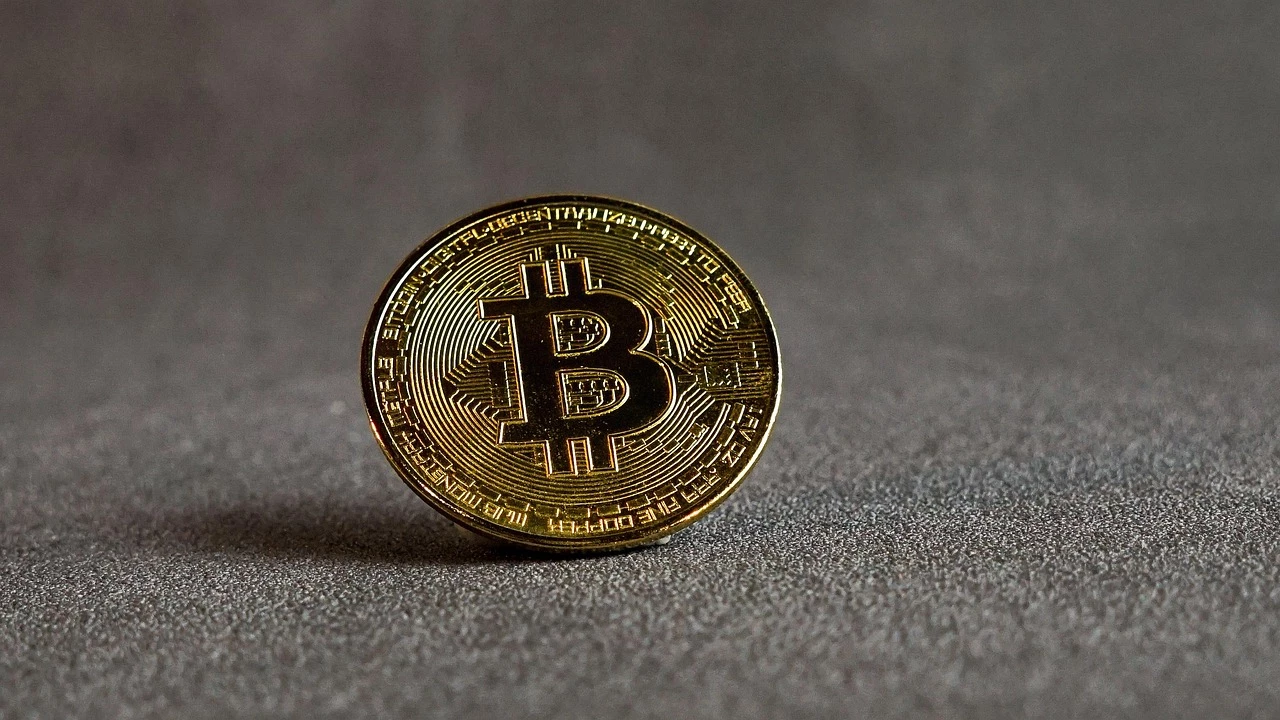
Tokenization: The Next Frontier in Asset Management
This article covers KULA and related crypto trends with practical context. Tokenization is rapidly becoming a cornerstone of modern finance, transforming how we perceive and manage assets. By converting real-world assets into digital tokens on a blockchain, tokenization offers unprecedented efficiency, transparency, and accessibility.
In recent years, we’ve witnessed a surge in interest surrounding tokenized assets, driven by advancements in blockchain technology and a growing appetite for innovative investment opportunities. This trend is set to revolutionize the asset management landscape, allowing for fractional ownership and enhanced liquidity.
What is Tokenization?
Defining Tokenization
At its core, tokenization refers to the process of creating a digital representation of a physical asset on a blockchain. This can encompass a wide range of assets, from real estate and commodities to art and collectibles. By doing so, tokenization not only enhances the asset's liquidity but also democratizes access, allowing more individuals to invest in high-value assets.
For instance, a property valued at $1 million can be tokenized into 1,000 tokens, each worth $1,000. This enables multiple investors to own a fraction of the property, significantly lowering the entry barrier for investment.
The Technology Behind Tokenization
Tokenization relies heavily on blockchain technology, which provides a secure and transparent framework for recording transactions. Smart contracts, self-executing contracts with the terms of the agreement directly written into code, play a pivotal role in this process. They automate transactions and ensure compliance without the need for intermediaries, streamlining the entire investment process.
Moreover, blockchain's inherent features—such as immutability and decentralization—enhance security and trust among investors.
Advantages of Tokenization in Asset Management
Enhanced Liquidity
One of the most significant advantages of tokenization is the enhanced liquidity it offers. Traditional assets often have limited liquidity, making it challenging for investors to buy or sell their stakes quickly. However, tokenized assets can be traded on various platforms, enabling quicker transactions and greater market access.
This increased liquidity can lead to more competitive pricing and a broader investor base, ultimately benefiting asset owners.
Fractional Ownership
Tokenization allows for fractional ownership, which lowers the barriers to entry for potential investors. This is particularly beneficial in markets such as real estate, where high capital requirements often deter individual investors. By tokenizing an asset, more people can participate in the investment, driving demand and appreciation.
Fractional ownership also opens up opportunities for diversified investment portfolios, allowing individuals to invest small amounts across multiple assets rather than committing large sums to a single investment.
Global Access and Inclusion
Tokenization enables global access to investment opportunities, breaking down geographical barriers that have traditionally hindered international investment. With a blockchain-based system, investors from anywhere in the world can access tokenized assets, promoting inclusivity and democratizing investment.
This global reach fosters a more diverse investor base, contributing to the overall growth and resilience of the market.
Challenges Facing Tokenization
Regulatory Hurdles
Despite its many advantages, tokenization is not without challenges. Regulatory compliance remains a significant hurdle, as laws and regulations vary widely across jurisdictions. Navigating these complexities can be daunting for issuers and investors alike, and non-compliance can lead to severe penalties.
To overcome these challenges, industry stakeholders must work closely with regulators to develop frameworks that support innovation while ensuring investor protection.
Technology and Security Risks
As with any emerging technology, tokenization comes with its own set of security risks. Smart contracts, while offering automation and efficiency, can be susceptible to bugs and vulnerabilities that may be exploited by malicious actors.
Investors must conduct thorough due diligence and assess the security measures employed by tokenization platforms to mitigate these risks.
The Future of Tokenization
Mainstream Adoption
As awareness and understanding of tokenization grow, we can expect to see increased adoption across various sectors. Financial institutions, asset managers, and even governments are beginning to explore the potential of tokenized assets, signaling a shift towards a more digital future.
The continued development of user-friendly platforms and solutions will further drive mainstream adoption, making it easier for both individuals and institutions to engage with tokenized assets.
Builders who last in Tokenization: The Next Frontier in Asset Management do unglamorous work. Document edge cases, measure latency, track fees and liquidity, and review error budgets. Discipline compounds faster than hot takes. Treat KULA as one variable in a wider model. Operating in Tokenization: The Next Frontier in Asset Management benefits from early telemetry and automated dashboards. Transparency reduces rework and panic moves. When KULA shifts, context is already captured, so you can adjust calmly instead of reacting late. Most outcomes in Tokenization: The Next Frontier in Asset Management come from repeatable systems. Define assumptions, risks, invalidation points, and a recheck cadence. This habit beats narratives. Use KULA as a lens, but let decisions follow current data, not hype.
Innovation in Financial Products
Tokenization not only impacts how we invest but also paves the way for new financial products and services. For example, tokenized assets can be bundled together to create innovative investment vehicles, such as tokenized funds or indices, catering to diverse investor needs.
This innovation could lead to the emergence of entirely new markets, fostering competition and driving down costs for investors.
Key Takeaways
- Automate logs and alert on anomalies.
- Use data, not headlines, to decide.
- Security checks precede any deployment.
- Prefer liquid venues and clear fees.