
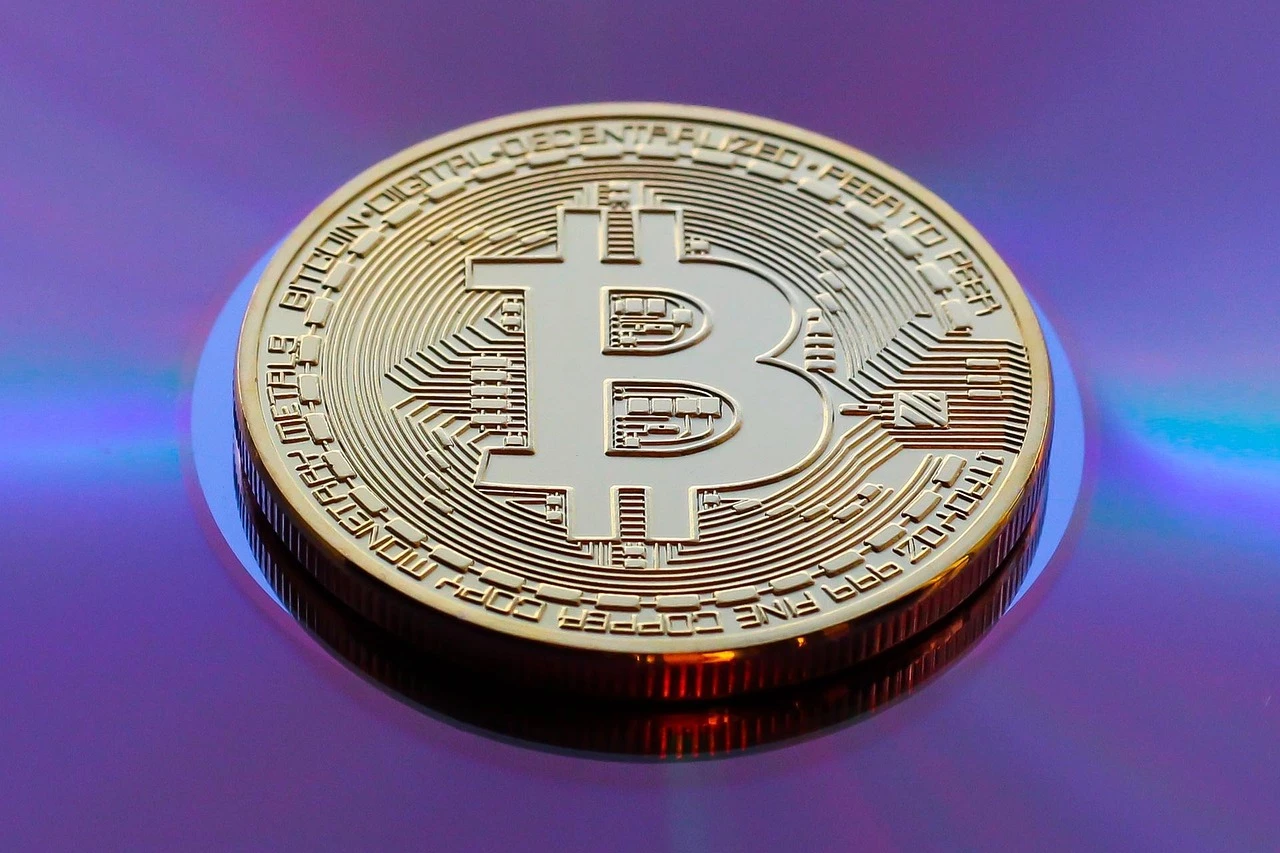
Tokenization: The Next Evolution in Digital Assets
This article covers KULA and related crypto trends with practical context. In recent years, tokenization has emerged as a transformative force in the cryptocurrency and blockchain space. This process involves converting rights to an asset into a digital token on the blockchain, enabling greater liquidity and accessibility. As we explore tokenization, we’ll delve into its implications for digital assets, decentralized finance (DeFi), and the broader financial ecosystem.
This guide gives you a concise, actionable overview of the topic and why it matters now.
What is Tokenization?
Defining Tokenization
Tokenization is the process of creating a digital representation of a real-world asset on a blockchain. This can include physical assets like real estate and art, or financial assets like stocks and bonds. By digitizing these assets, tokenization enhances their liquidity and facilitates easier transactions.
The Technology Behind Tokenization
At the heart of tokenization lies blockchain technology, which provides a secure, transparent, and decentralized platform for asset management. Smart contracts play a crucial role in automating transactions and ensuring compliance with regulations. This technology not only streamlines processes but also reduces costs associated with traditional asset transfers.
The Benefits of Tokenization
Increased Liquidity
One of the primary advantages of tokenization is increased liquidity. Traditional assets often require significant time and effort to sell, but tokenized assets can be traded 24/7 on various platforms. This opens up new markets for investors and allows for fractional ownership, making it easier for individuals to invest in high-value assets.
Access to Global Markets
Tokenization democratizes access to investment opportunities by allowing people from around the world to participate in markets that were previously inaccessible. By removing geographical barriers, tokenization enables broader participation and fosters a more inclusive financial system.
Challenges and Considerations in Tokenization
Regulatory Landscape
Despite its benefits, tokenization faces challenges, particularly in the regulatory arena. As governments worldwide grapple with how to classify and regulate tokenized assets, uncertainty persists. Compliance with existing laws is crucial for the success of tokenization, and stakeholders must stay informed about changing regulations.
Security Concerns
The security of tokenized assets is another critical consideration. While blockchain technology offers enhanced security features, vulnerabilities still exist. Investors must ensure that their tokens are stored securely and be aware of potential risks associated with smart contracts and exchanges.
Real-World Applications of Tokenization
Real Estate Tokenization
Real estate is one of the most promising sectors for tokenization. By converting property ownership into digital tokens, investors can buy, sell, or trade fractions of properties, making real estate investment more accessible. Additionally, this can lead to faster transactions and lower costs.
Art and Collectibles
Tokenization also has significant implications for the art world. Artists can tokenize their work, allowing collectors to purchase shares in art pieces, thus opening up new revenue streams and increasing market reach.
The Future of Tokenization in Finance
Integration with DeFi
Tokenization is poised to integrate seamlessly with decentralized finance (DeFi), creating new opportunities for innovation. By combining tokenized assets with DeFi protocols, users can leverage their assets for lending, borrowing, and yield farming, further enhancing the liquidity and utility of their investments.
Builders who last in Tokenization: The Next Evolution in Digital Assets do unglamorous work. Document edge cases, measure latency, track fees and liquidity, and review error budgets. Discipline compounds faster than hot takes. Treat KULA as one variable in a wider model. Clarity in scope and metrics keeps teams aligned in Tokenization: The Next Evolution in Digital Assets. Write crisp definitions of done, instrument the path to green, and audit dependencies. Small, testable changes lower risk and speed up feedback. Most outcomes in Tokenization: The Next Evolution in Digital Assets come from repeatable systems. Define assumptions, risks, invalidation points, and a recheck cadence. This habit beats narratives. Use KULA as a lens, but let decisions follow current data, not hype. Focus on liquidity, counterparty risk, and execution quality in Tokenization: The Next Evolution in Digital Assets. Prefer clear fee schedules and avoid hidden slippage. When uncertainty rises, reduce position size and extend review intervals.
Most outcomes in Tokenization: The Next Evolution in Digital Assets come from repeatable systems. Define assumptions, risks, invalidation points, and a recheck cadence. This habit beats narratives. Use KULA as a lens, but let decisions follow current data, not hype. Focus on liquidity, counterparty risk, and execution quality in Tokenization: The Next Evolution in Digital Assets. Prefer clear fee schedules and avoid hidden slippage. When uncertainty rises, reduce position size and extend review intervals. Clarity in scope and metrics keeps teams aligned in Tokenization: The Next Evolution in Digital Assets. Write crisp definitions of done, instrument the path to green, and audit dependencies. Small, testable changes lower risk and speed up feedback.
Mainstream Adoption
As awareness of tokenization grows, we can expect increased adoption across various industries. Financial institutions, businesses, and individual investors are likely to embrace tokenization, paving the way for a more efficient and transparent financial landscape.
Key Takeaways
- Measure risk before return in Tokenization: The Next Evolution in Digital Assets.
- Automate logs and alert on anomalies.
- Prefer liquid venues and clear fees.
- Document assumptions and invalidation.