
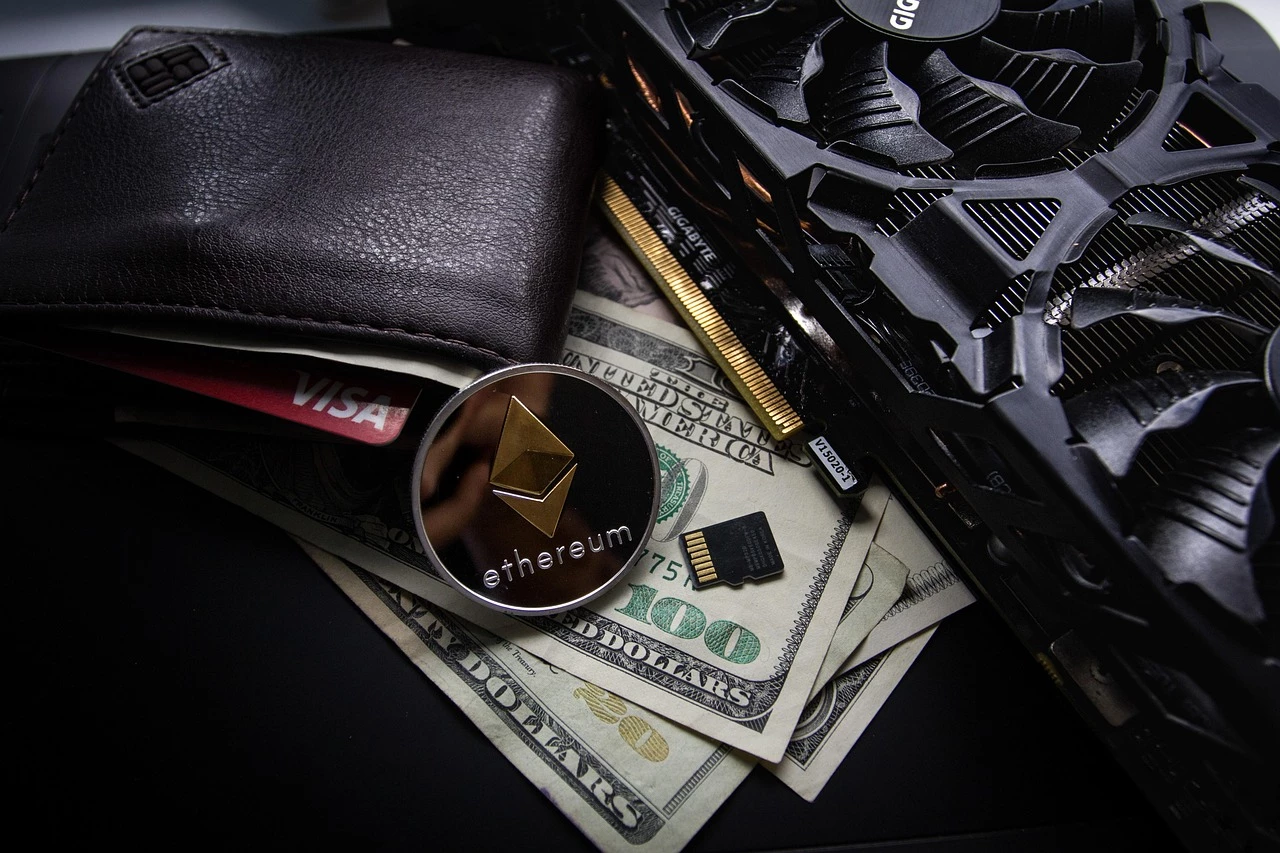
Tokenization: The Next Big Leap for Digital Assets
This article covers KULA and related crypto trends with practical context. Tokenization is rapidly emerging as a transformative force in the world of digital assets. By converting real-world assets into digital tokens, industries are discovering innovative ways to enhance liquidity and efficiency. As we dive deeper into the implications of tokenization, we'll explore its impact on various sectors, including finance, real estate, and art.
In an age where blockchain technology is becoming ubiquitous, understanding tokenization is vital for investors and businesses alike. This article will provide insights into the mechanics of tokenization, its benefits, and the challenges it faces as it continues to gain traction.
What is Tokenization?
Defining Tokenization
At its core, tokenization refers to the process of converting rights to an asset into a digital token that can be recorded on a blockchain. This approach allows for fractional ownership, making it easier for individuals to invest in high-value assets that may have been previously inaccessible.
For instance, instead of requiring a significant capital outlay to purchase a piece of art or real estate, tokenization allows multiple investors to buy fractions of these assets, democratizing access to investment opportunities.
The Mechanics of Tokenization
Tokenization involves creating a digital representation of an asset, which is then secured on a blockchain. The asset can be anything from real estate to stocks, or even intellectual property. Each token represents a share of ownership, allowing for easier transfer and trading between parties.
Once an asset is tokenized, it can be traded on various exchanges or through peer-to-peer platforms, significantly increasing its liquidity and market reach.
Benefits of Tokenization
Increased Liquidity
One of the most significant advantages of tokenization is the increase in liquidity it offers. By breaking assets down into smaller, tradable tokens, investors can buy and sell their holdings more easily, attracting a wider pool of investors.
This is particularly beneficial in markets like real estate, where traditional transactions can take months or even years to complete. With tokenization, assets can be traded quickly, making them more attractive to potential buyers.
Cost Efficiency
Tokenization also reduces the costs associated with asset transactions. By eliminating intermediaries such as brokers and agents, tokenized transactions can be executed with lower fees and faster processing times.
Moreover, the use of smart contracts can automate many aspects of the transaction, further reducing the need for manual oversight and enhancing overall efficiency.
Challenges Facing Tokenization
Regulatory Uncertainty
Despite its potential, tokenization faces significant regulatory challenges. Different jurisdictions have varying rules regarding securities, which complicates the process of tokenizing assets across borders.
Regulatory bodies are still catching up with the rapid pace of innovation in the blockchain space, and until clear guidelines are established, many companies may hesitate to fully embrace tokenization.
Technological Limitations
Another challenge is the technological infrastructure required to support tokenization. While blockchain technology is advancing, issues related to scalability and interoperability still need to be addressed before tokenization can reach its full potential.
Additionally, the security of tokenized assets is paramount; any vulnerabilities in the underlying technology could lead to significant losses for investors.
The Future of Tokenization in Digital Assets
Tokenization Across Various Industries
The potential applications of tokenization extend beyond finance. Industries such as real estate, art, and even gaming are beginning to explore how tokenized assets can enhance their business models.
For example, in real estate, tokenization could streamline property transactions, allowing for quicker sales and increased investment opportunities. In the art world, tokenization could provide artists with new revenue streams by enabling fractional ownership of their works.
Most outcomes in Tokenization: The Next Big Leap for Digital Assets come from repeatable systems. Define assumptions, risks, invalidation points, and a recheck cadence. This habit beats narratives. Use KULA as a lens, but let decisions follow current data, not hype. Focus on liquidity, counterparty risk, and execution quality in Tokenization: The Next Big Leap for Digital Assets. Prefer clear fee schedules and avoid hidden slippage. When uncertainty rises, reduce position size and extend review intervals. Operating in Tokenization: The Next Big Leap for Digital Assets benefits from early telemetry and automated dashboards. Transparency reduces rework and panic moves. When KULA shifts, context is already captured, so you can adjust calmly instead of reacting late.
Clarity in scope and metrics keeps teams aligned in Tokenization: The Next Big Leap for Digital Assets. Write crisp definitions of done, instrument the path to green, and audit dependencies. Small, testable changes lower risk and speed up feedback. Focus on liquidity, counterparty risk, and execution quality in Tokenization: The Next Big Leap for Digital Assets. Prefer clear fee schedules and avoid hidden slippage. When uncertainty rises, reduce position size and extend review intervals. Most outcomes in Tokenization: The Next Big Leap for Digital Assets come from repeatable systems. Define assumptions, risks, invalidation points, and a recheck cadence. This habit beats narratives. Use KULA as a lens, but let decisions follow current data, not hype.
The Role of Decentralized Finance (DeFi)
Decentralized finance (DeFi) platforms are increasingly incorporating tokenization into their ecosystems. By allowing users to tokenize their assets and use them as collateral for loans, DeFi can significantly expand the utility of digital assets.
As the DeFi landscape evolves, tokenization will likely play a crucial role in enhancing liquidity and providing users with more flexible financial options.
Key Takeaways
- Use data, not headlines, to decide.
- Cut losers early, let winners work.
- Security checks precede any deployment.
- Avoid leverage creep during volatility.