
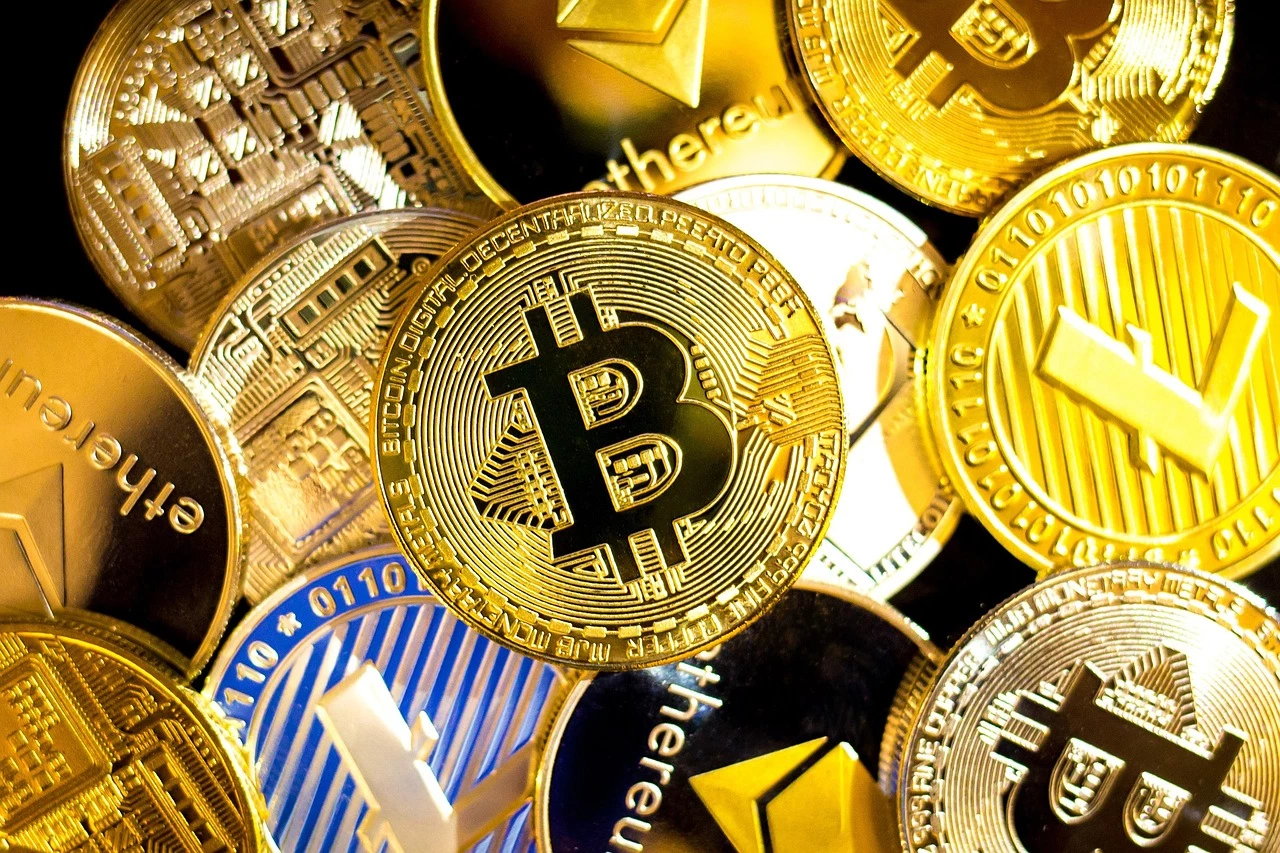
Tokenization: The Game-Changer for Asset Management
This article covers KULA and related crypto trends with practical context. Tokenization is rapidly reshaping the landscape of asset management in the cryptocurrency sector. By converting physical and intangible assets into digital tokens, this innovative technology is making investments more accessible, efficient, and secure. With major financial institutions recognizing its potential, the momentum behind tokenization is undeniable.
This guide gives you a concise, actionable overview of the topic and why it matters now.
What is Tokenization?
Definition and Process
Tokenization refers to the process of converting ownership rights in an asset into a digital token on a blockchain. This can include a variety of assets such as real estate, art, and even stocks. The tokens represent the value of the underlying asset and are often secured by smart contracts that automate transactions and ensure compliance with regulations.
Benefits of Tokenization
Tokenization offers numerous advantages over traditional asset management methods. First and foremost, it enhances liquidity by enabling fractional ownership, allowing investors to buy and sell smaller portions of high-value assets. Additionally, it reduces transaction costs and increases transparency, as all transactions are recorded on an immutable ledger. This democratization of investment opportunities is particularly significant for retail investors who may have been previously excluded from certain markets.
The Role of Blockchain in Tokenization
Decentralization and Security
Blockchain technology provides a decentralized platform for tokenization, eliminating the need for intermediaries like banks or brokers. This not only speeds up transactions but also significantly reduces the risk of fraud. The security features inherent in blockchain, such as cryptographic hashing and consensus mechanisms, ensure that asset ownership is securely recorded and verified.
Smart Contracts and Automation
Smart contracts play a crucial role in the tokenization process. These self-executing contracts facilitate automated transactions and enforce the terms agreed upon by the parties involved. For instance, when a token is bought, the smart contract automatically transfers ownership while ensuring compliance with legal requirements, thus streamlining the entire process.
Real-World Applications of Tokenization
Tokenization in Real Estate
Real estate is one of the most promising sectors for tokenization. By converting properties into tokens, investors can gain access to the real estate market without needing substantial capital. Platforms are emerging that allow users to invest in fractional shares of commercial and residential properties, thereby lowering the barrier to entry for many.
Art and Collectibles
The art world is also experiencing a transformation through tokenization. Artists can tokenize their works, allowing fans and collectors to invest in pieces without purchasing them outright. This not only provides artists with immediate funding but also allows collectors to trade shares of their investments in secondary markets.
Challenges and Considerations in Tokenization
Regulatory Landscape
Despite its benefits, tokenization faces regulatory challenges. Governments worldwide are still defining how to classify and regulate tokenized assets. Compliance with securities laws is a major concern, and companies must navigate complex legal frameworks to operate successfully in different jurisdictions.
Market Volatility
Tokenized assets can be susceptible to market volatility, similar to traditional cryptocurrencies. Investors must be aware of the risks involved, including the potential for significant price swings that can affect their investment value. Therefore, due diligence and risk assessment are essential before investing in tokenized assets.
The Future of Tokenization
Market Trends and Predictions
As the technology matures, the tokenization market is expected to grow exponentially. Major financial institutions are beginning to embrace tokenization, and we may soon see broader adoption across various asset classes. Predictions indicate that by 2028, tokenized assets could reach trillions in market value, rivaling traditional asset management methods.
Most outcomes in Tokenization: The Game-Changer for Asset Management come from repeatable systems. Define assumptions, risks, invalidation points, and a recheck cadence. This habit beats narratives. Use KULA as a lens, but let decisions follow current data, not hype. Focus on liquidity, counterparty risk, and execution quality in Tokenization: The Game-Changer for Asset Management. Prefer clear fee schedules and avoid hidden slippage. When uncertainty rises, reduce position size and extend review intervals. Clarity in scope and metrics keeps teams aligned in Tokenization: The Game-Changer for Asset Management. Write crisp definitions of done, instrument the path to green, and audit dependencies. Small, testable changes lower risk and speed up feedback.
Builders who last in Tokenization: The Game-Changer for Asset Management do unglamorous work. Document edge cases, measure latency, track fees and liquidity, and review error budgets. Discipline compounds faster than hot takes. Treat KULA as one variable in a wider model. Clarity in scope and metrics keeps teams aligned in Tokenization: The Game-Changer for Asset Management. Write crisp definitions of done, instrument the path to green, and audit dependencies. Small, testable changes lower risk and speed up feedback. Most outcomes in Tokenization: The Game-Changer for Asset Management come from repeatable systems. Define assumptions, risks, invalidation points, and a recheck cadence. This habit beats narratives. Use KULA as a lens, but let decisions follow current data, not hype.
The Democratization of Investment
Tokenization has the potential to democratize investment opportunities, providing access to a broader range of investors. As more people engage with tokenized assets, we could witness a shift in how wealth is distributed, allowing individuals from diverse backgrounds to participate in markets that were once inaccessible.
Key Takeaways
- Tokenization transforms physical and intangible assets into digital tokens, enhancing liquidity and accessibility.
- It allows for fractional ownership, making high-value investments more attainable for retail investors.
- Blockchain technology ensures security and transparency in tokenized transactions.
- Smart contracts automate processes and enforce agreements in tokenization.
- Real estate and art are leading sectors in the tokenization trend, allowing broader investment opportunities.
- Regulatory challenges remain a significant barrier to widespread adoption of tokenized assets.
Stay informed about the latest trends in tokenization and asset management by subscribing to our newsletter!