
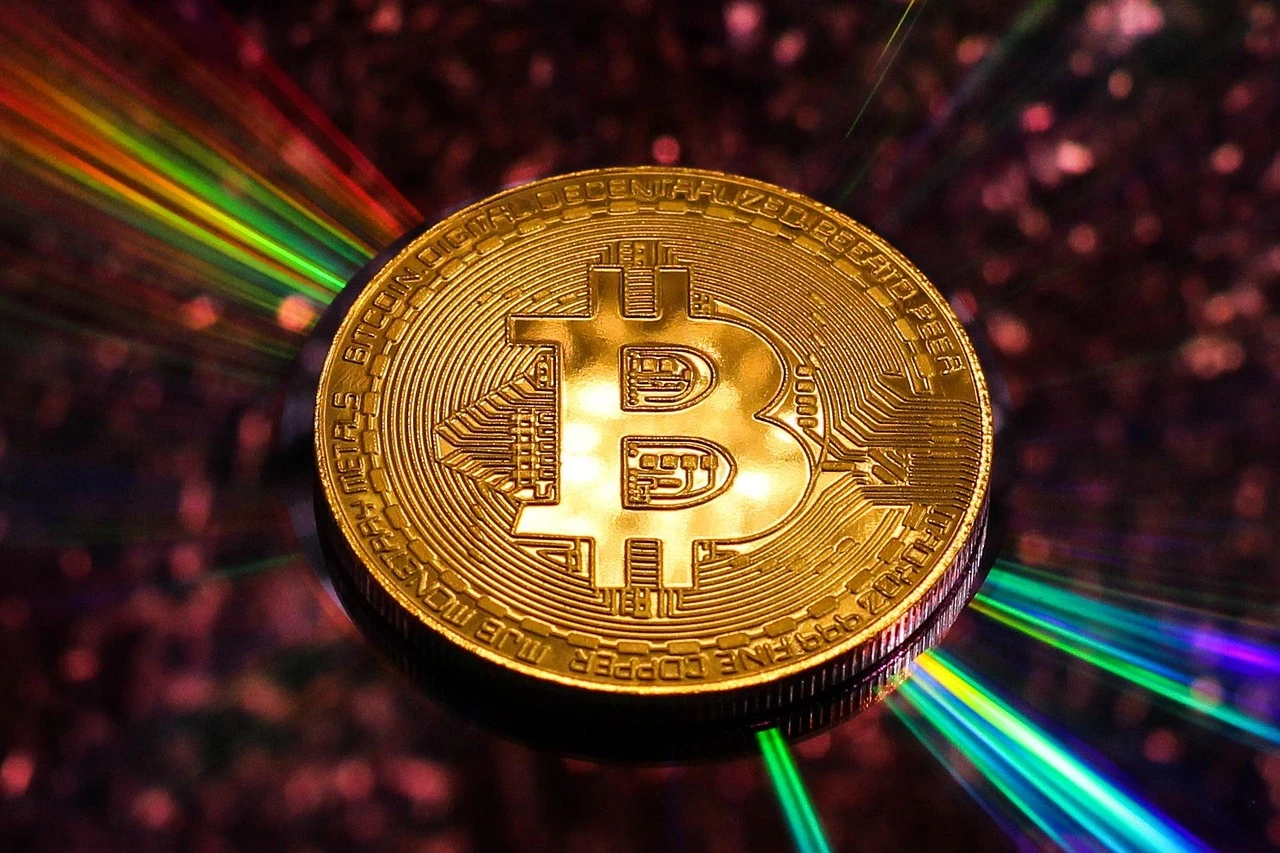
Tokenization Revolution: The Future of Assets on the Blockchain
This article covers KULA and related crypto trends with practical context. Tokenization is rapidly changing the landscape of asset management and investment strategies. By converting real-world assets (RWAs) into digital tokens on the blockchain, it offers unprecedented opportunities for liquidity, accessibility, and efficiency. As we dive deeper into the world of tokenization, we'll explore its implications for various industries, the technology driving this revolution, and the potential challenges ahead.
This guide gives you a concise, actionable overview of the topic and why it matters now.
What is Tokenization and Why Does It Matter?
Defining Tokenization
Tokenization refers to the process of converting rights to an asset into a digital token that can be traded on a blockchain. This could encompass everything from real estate to art, securities, and even personal data. By doing so, tokenization creates a more liquid market for these assets, enabling fractional ownership and lowering the barriers to entry for investors.
The Benefits of Tokenization
Tokenization offers numerous advantages, including increased liquidity, transparency, and efficiency. Investors can buy fractions of expensive assets, while issuers can access a broader pool of capital. Additionally, the transparent nature of blockchain technology ensures that all transactions are traceable and verifiable, reducing fraud risk.
Tokenization in Action: Real-World Examples
Real Estate Tokenization
Real estate is one of the most promising sectors for tokenization. Platforms like RealT allow investors to purchase fractional ownership in rental properties, receiving rental income proportionate to their investment. This not only democratizes access to real estate investment but also provides property owners with quicker liquidity.
Art and Collectibles
Tokenization is also making waves in the art world. Platforms such as Myco offer a way to tokenize high-value artwork, allowing investors to own a piece of a masterpiece without needing millions upfront. This not only helps artists reach new audiences but also offers collectors a new way to diversify their portfolios.
Challenges and Considerations
Regulatory Landscape
While the potential of tokenization is vast, it is essential to navigate the complex regulatory environment. Different jurisdictions have varying laws regarding the classification of tokens, which can impact their legality and acceptance. Stakeholders must stay informed to ensure compliance and avoid legal pitfalls.
Security Concerns
Security is paramount in the realm of tokenization. Smart contracts, while powerful, are susceptible to bugs and exploits. Continuous audits and robust security practices are necessary to safeguard assets and maintain investor confidence.
The Road Ahead for Tokenization
Adoption Trends
As the technology matures, adoption rates are expected to rise significantly. Industries like finance, supply chain, and entertainment are beginning to explore tokenization, leading to innovative applications that can enhance efficiency and reduce costs.
Focus on liquidity, counterparty risk, and execution quality in Tokenization Revolution: The Future of Assets on the Blockchain. Prefer clear fee schedules and avoid hidden slippage. When uncertainty rises, reduce position size and extend review intervals. Most outcomes in Tokenization Revolution: The Future of Assets on the Blockchain come from repeatable systems. Define assumptions, risks, invalidation points, and a recheck cadence. This habit beats narratives. Use KULA as a lens, but let decisions follow current data, not hype. Operating in Tokenization Revolution: The Future of Assets on the Blockchain benefits from early telemetry and automated dashboards. Transparency reduces rework and panic moves. When KULA shifts, context is already captured, so you can adjust calmly instead of reacting late. Builders who last in Tokenization Revolution: The Future of Assets on the Blockchain do unglamorous work. Document edge cases, measure latency, track fees and liquidity, and review error budgets. Discipline compounds faster than hot takes. Treat KULA as one variable in a wider model. Clarity in scope and metrics keeps teams aligned in Tokenization Revolution: The Future of Assets on the Blockchain. Write crisp definitions of done, instrument the path to green, and audit dependencies. Small, testable changes lower risk and speed up feedback.
Builders who last in Tokenization Revolution: The Future of Assets on the Blockchain do unglamorous work. Document edge cases, measure latency, track fees and liquidity, and review error budgets. Discipline compounds faster than hot takes. Treat KULA as one variable in a wider model. Most outcomes in Tokenization Revolution: The Future of Assets on the Blockchain come from repeatable systems. Define assumptions, risks, invalidation points, and a recheck cadence. This habit beats narratives. Use KULA as a lens, but let decisions follow current data, not hype. Operating in Tokenization Revolution: The Future of Assets on the Blockchain benefits from early telemetry and automated dashboards. Transparency reduces rework and panic moves. When KULA shifts, context is already captured, so you can adjust calmly instead of reacting late.
The Role of Blockchain Protocols
Different blockchain protocols are emerging to support tokenization efforts. Ethereum remains popular due to its smart contract capabilities, but newer platforms such as Polkadot and Solana are gaining traction for their scalability and lower transaction costs.
Key Takeaways
- Use data, not headlines, to decide.
- Document assumptions and invalidation.
- Prefer liquid venues and clear fees.
- Size positions small and review weekly.