
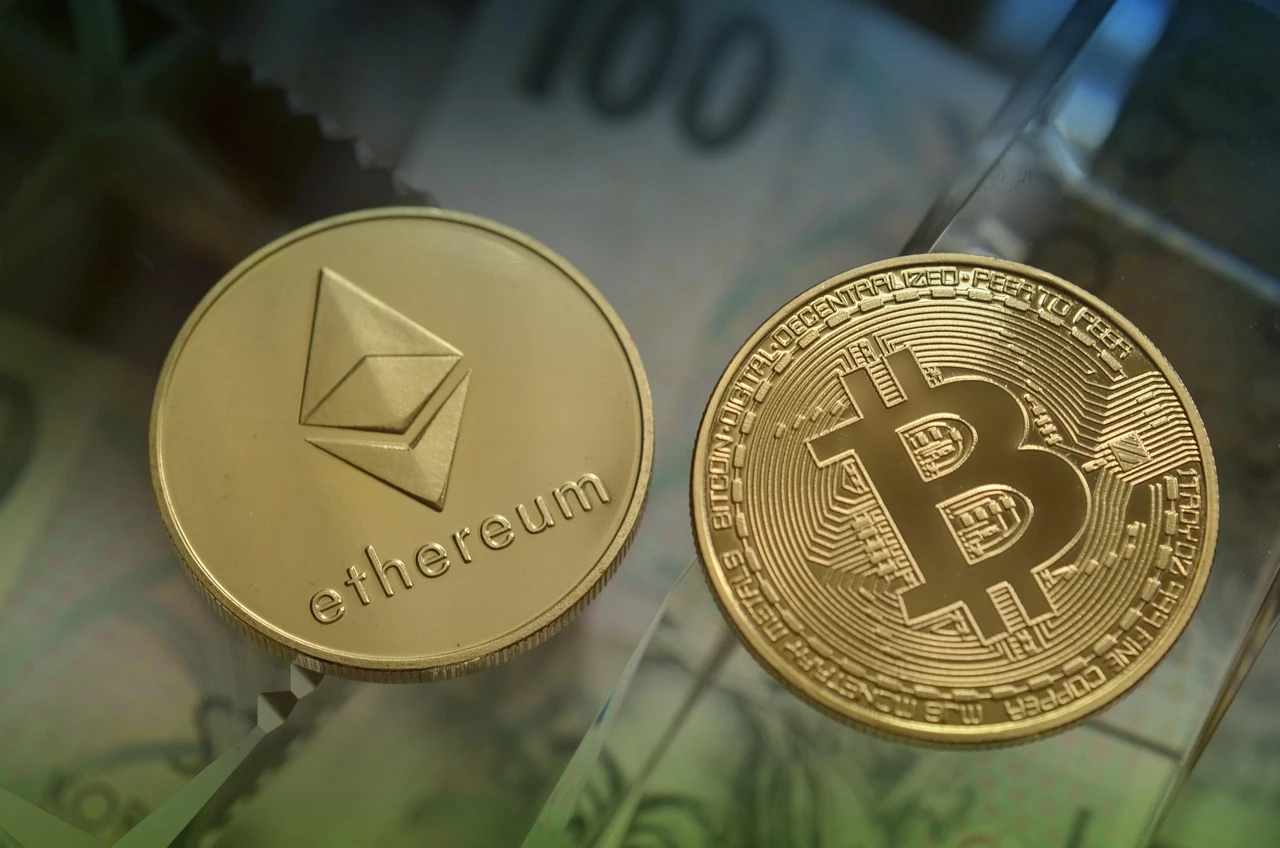
Tokenization Revolution: How Blockchain is Reshaping Asset Ownership
This article covers KULA and related crypto trends with practical context. In the rapidly evolving world of cryptocurrency, tokenization stands out as a groundbreaking trend that is reshaping asset ownership and investment strategies. By converting real-world assets (RWAs) into digital tokens on a blockchain, businesses and investors alike are opening new avenues for liquidity, accessibility, and efficiency. This process not only enhances transaction speeds but also democratizes access to investment opportunities, making it a pivotal development in the blockchain landscape.
This guide gives you a concise, actionable overview of the topic and why it matters now.
What is Tokenization?
Definition and Overview
Tokenization refers to the process of converting rights to an asset into a digital token that can be stored and transacted on a blockchain. This approach allows for fractional ownership, where assets like real estate, art, or even private equity can be divided into smaller, tradable units. Consequently, it broadens the pool of potential investors who can participate in markets that were once exclusive to high-net-worth individuals.
The Benefits of Tokenization
Tokenization offers numerous advantages, including enhanced liquidity, reduced transaction costs, and increased transparency. By utilizing blockchain technology, tokenized assets can be traded 24/7 on various platforms, allowing for real-time pricing and reduced barriers to entry. Moreover, the immutable nature of blockchain ensures that ownership records are transparent and easily verifiable, fostering trust among investors.
The Impact of Tokenization on Traditional Markets
Disrupting Conventional Finance
Tokenization is poised to disrupt traditional finance by enabling new business models and investment structures. For instance, real estate developers can tokenize properties, allowing investors to buy shares in a project rather than the entire asset. This not only lowers the investment threshold but also allows for diversification across different asset classes, enhancing portfolio resilience.
Bridging the Gap in Private Equity
Private equity has long been characterized by high minimum investments and limited access for average investors. Tokenization changes this dynamic by allowing smaller investments in private companies, thereby democratizing access to high-growth opportunities. Platforms that facilitate tokenized fundraising can enable startups to raise capital more efficiently while providing investors with a stake in innovative ventures.
Challenges and Considerations in Tokenization
Regulatory Hurdles
Despite its potential, tokenization faces significant regulatory challenges. Different jurisdictions have varying laws regarding securities and asset ownership, which can complicate the issuance and trading of tokenized assets. As regulators begin to catch up with technological advancements, a clearer framework is needed to foster innovation while protecting investors.
Security Concerns
Security remains a critical concern in the tokenization space. As more assets are digitized, the risk of hacks and fraud increases. It's essential for platforms facilitating tokenized assets to implement robust security measures, including multi-signature wallets and decentralized storage solutions, to safeguard investor funds and data.
Real-World Examples of Tokenization in Action
Tokenized Real Estate Projects
Several companies are leading the charge in tokenizing real estate. These projects allow investors to purchase tokens representing a share of a property, thus enabling them to earn rental income and benefit from property appreciation without the hassle of direct ownership.
Clarity in scope and metrics keeps teams aligned in Tokenization Revolution: How Blockchain is Reshaping Asset Ownership. Write crisp definitions of done, instrument the path to green, and audit dependencies. Small, testable changes lower risk and speed up feedback. Most outcomes in Tokenization Revolution: How Blockchain is Reshaping Asset Ownership come from repeatable systems. Define assumptions, risks, invalidation points, and a recheck cadence. This habit beats narratives. Use KULA as a lens, but let decisions follow current data, not hype. Operating in Tokenization Revolution: How Blockchain is Reshaping Asset Ownership benefits from early telemetry and automated dashboards. Transparency reduces rework and panic moves. When KULA shifts, context is already captured, so you can adjust calmly instead of reacting late. Builders who last in Tokenization Revolution: How Blockchain is Reshaping Asset Ownership do unglamorous work. Document edge cases, measure latency, track fees and liquidity, and review error budgets. Discipline compounds faster than hot takes. Treat KULA as one variable in a wider model.
Most outcomes in Tokenization Revolution: How Blockchain is Reshaping Asset Ownership come from repeatable systems. Define assumptions, risks, invalidation points, and a recheck cadence. This habit beats narratives. Use KULA as a lens, but let decisions follow current data, not hype. Clarity in scope and metrics keeps teams aligned in Tokenization Revolution: How Blockchain is Reshaping Asset Ownership. Write crisp definitions of done, instrument the path to green, and audit dependencies. Small, testable changes lower risk and speed up feedback. Focus on liquidity, counterparty risk, and execution quality in Tokenization Revolution: How Blockchain is Reshaping Asset Ownership. Prefer clear fee schedules and avoid hidden slippage. When uncertainty rises, reduce position size and extend review intervals.
Tokenization in Art and Collectibles
Art and collectibles are also seeing a rise in tokenization. Platforms are emerging that allow artists to tokenize their work, enabling fractional ownership and broadening access to art investment. This shift not only empowers creators but also attracts a new wave of investors interested in diversifying their portfolios with unique assets.
Key Takeaways
- Tokenization converts real-world assets into digital tokens on a blockchain, enabling fractional ownership.
- It enhances liquidity, reduces costs, and increases transparency in asset transactions.
- Tokenization is disrupting traditional finance and bridging gaps in private equity markets.
- Regulatory challenges and security concerns remain significant hurdles for tokenization.
- Real estate and art markets are among the most promising areas for tokenization.
Join the tokenization revolution today! Explore investment opportunities in tokenized assets and stay ahead in the evolving blockchain landscape.