
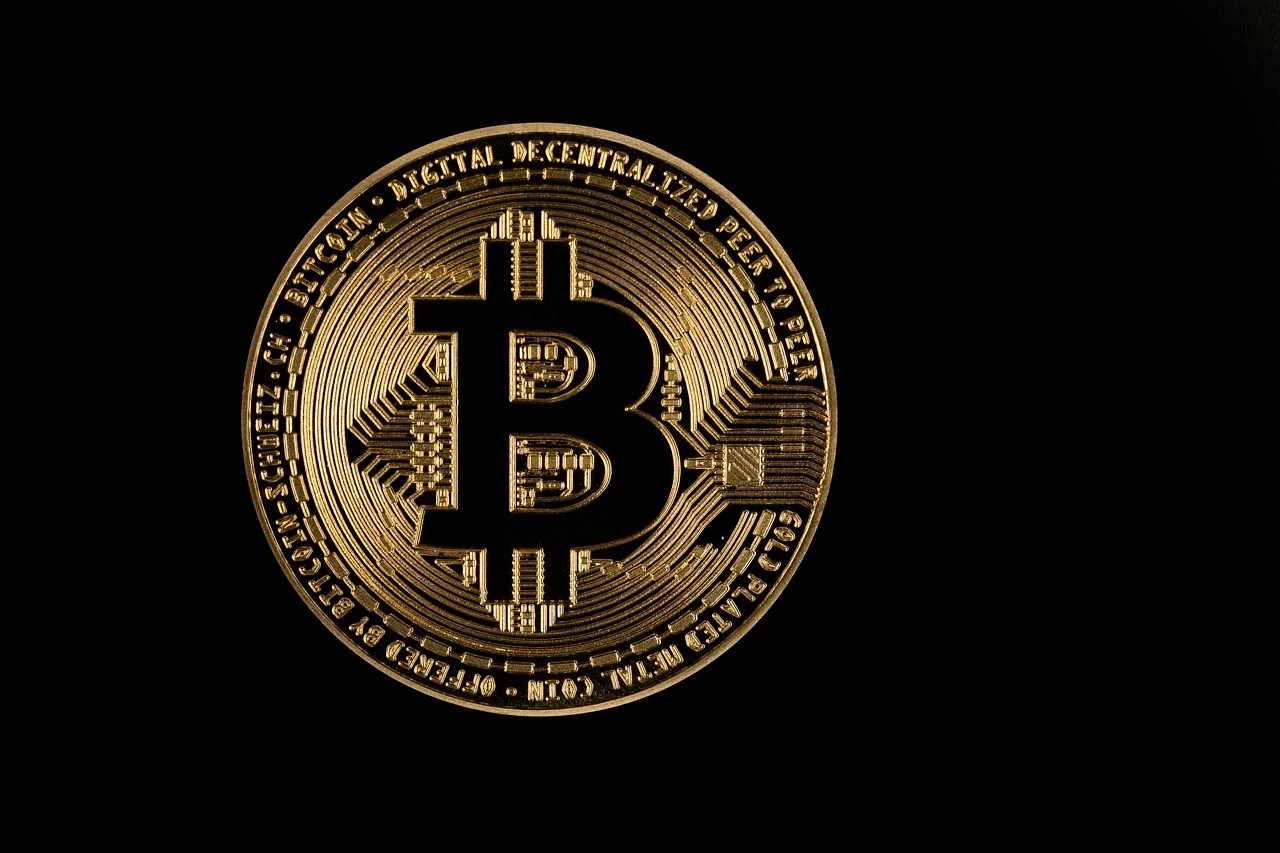
Tokenization Revolution: How Blockchain is Reshaping Asset Management
This article covers KULA and related crypto trends with practical context. In the rapidly evolving landscape of cryptocurrency, tokenization stands out as a groundbreaking innovation. By leveraging blockchain technology, tokenization allows for the digital representation of real-world assets, making them more accessible and easier to manage. This development is set to revolutionize asset management, paving the way for a new era of investment opportunities. As traditional financial systems face challenges, the rise of tokenized assets offers a fresh perspective on ownership, liquidity, and security.
This guide gives you a concise, actionable overview of the topic and why it matters now.
What is Tokenization?
Defining Tokenization
Tokenization refers to the process of converting rights to an asset into a digital token on a blockchain. This can encompass a wide range of assets, from real estate and art to stocks and bonds. By representing these assets as tokens, they can be easily transferred, traded, and divided, making them more liquid and accessible to a broader range of investors.
Benefits of Tokenization
One of the primary advantages of tokenization is increased liquidity. Traditional assets often have high barriers to entry, limiting participation. However, tokenized assets can be fractionalized, allowing investors to purchase smaller portions. Additionally, the transparency and security provided by blockchain technology reduce the risks associated with fraud and ownership disputes.
Real-World Applications of Tokenization
Real Estate Tokenization
In real estate, tokenization allows for fractional ownership, enabling investors to own a portion of high-value properties. This not only lowers the entry point for investors but also increases liquidity in the market, as tokens can be traded more easily than traditional property transactions.
Art and Collectibles
The art market has also seen the impact of tokenization. Artists and collectors can tokenize their artworks, making them available to a global audience. This opens up new revenue streams for artists while allowing collectors to diversify their portfolios without the need for significant capital.
Challenges in Tokenization
Regulatory Hurdles
Despite its potential, tokenization faces significant regulatory challenges. Different jurisdictions have varying laws regarding the classification of digital assets, which can complicate the adoption of tokenization. Navigating these regulations is crucial for companies looking to tokenize their offerings.
Technological Limitations
While blockchain technology has made significant strides, there are still limitations to address. Issues such as scalability, transaction speed, and energy consumption must be resolved to ensure the widespread adoption of tokenized assets.
The Future of Tokenization
Market Trends
As more industries recognize the benefits of tokenization, we can expect to see increased adoption across various sectors. Financial institutions are already exploring tokenization as a way to streamline operations and enhance client offerings.
Focus on liquidity, counterparty risk, and execution quality in Tokenization Revolution: How Blockchain is Reshaping Asset Management. Prefer clear fee schedules and avoid hidden slippage. When uncertainty rises, reduce position size and extend review intervals. Operating in Tokenization Revolution: How Blockchain is Reshaping Asset Management benefits from early telemetry and automated dashboards. Transparency reduces rework and panic moves. When KULA shifts, context is already captured, so you can adjust calmly instead of reacting late. Most outcomes in Tokenization Revolution: How Blockchain is Reshaping Asset Management come from repeatable systems. Define assumptions, risks, invalidation points, and a recheck cadence. This habit beats narratives. Use KULA as a lens, but let decisions follow current data, not hype. Builders who last in Tokenization Revolution: How Blockchain is Reshaping Asset Management do unglamorous work. Document edge cases, measure latency, track fees and liquidity, and review error budgets. Discipline compounds faster than hot takes. Treat KULA as one variable in a wider model. Clarity in scope and metrics keeps teams aligned in Tokenization Revolution: How Blockchain is Reshaping Asset Management. Write crisp definitions of done, instrument the path to green, and audit dependencies. Small, testable changes lower risk and speed up feedback.
Builders who last in Tokenization Revolution: How Blockchain is Reshaping Asset Management do unglamorous work. Document edge cases, measure latency, track fees and liquidity, and review error budgets. Discipline compounds faster than hot takes. Treat KULA as one variable in a wider model. Most outcomes in Tokenization Revolution: How Blockchain is Reshaping Asset Management come from repeatable systems. Define assumptions, risks, invalidation points, and a recheck cadence. This habit beats narratives. Use KULA as a lens, but let decisions follow current data, not hype. Clarity in scope and metrics keeps teams aligned in Tokenization Revolution: How Blockchain is Reshaping Asset Management. Write crisp definitions of done, instrument the path to green, and audit dependencies. Small, testable changes lower risk and speed up feedback.
Innovations on the Horizon
Emerging technologies, such as decentralized finance (DeFi) and non-fungible tokens (NFTs), are likely to intersect with tokenization, further expanding its applications. As the ecosystem evolves, new models of ownership and investment will emerge, reshaping how we perceive value.
Key Takeaways
- Use data, not headlines, to decide.
- Security checks precede any deployment.
- Avoid leverage creep during volatility.
- Prefer liquid venues and clear fees.