
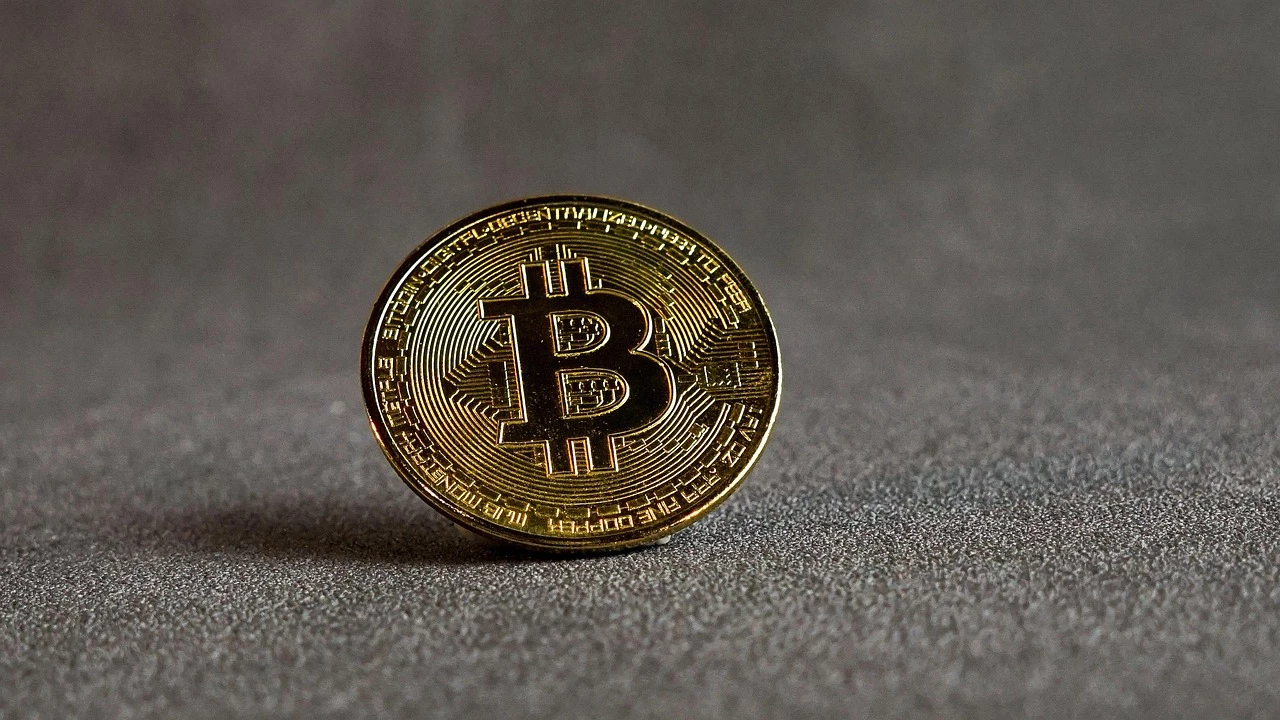
Tokenization Revolution: Bridging Traditional Assets and Blockchain
This article covers KULA and related crypto trends with practical context. Tokenization is swiftly becoming a key player in the cryptocurrency landscape, merging traditional assets with blockchain technology. As companies and investors seek innovative ways to leverage their assets, tokenization stands out as a transformative solution. This process allows for the conversion of physical and intangible assets into digital tokens, making them accessible on blockchain platforms. The implications of this trend are profound, with potential benefits ranging from increased liquidity to enhanced transparency.
In this article, we delve into the mechanics of tokenization, its impact on various sectors, and the exciting opportunities it presents for both investors and businesses. With the rise of blockchain technology, tokenization is set to revolutionize how we view asset ownership and investment.
Understanding Tokenization
What is Tokenization?
Tokenization refers to the process of converting rights to an asset into a digital token that can be managed on a blockchain. This can apply to various asset types, including real estate, art, stocks, and even intellectual property. By representing these assets as tokens, the ownership can be easily transferred, traded, and verified on a decentralized network.
This innovation not only simplifies transactions but also enhances security and reduces the risk of fraud. Tokenization essentially democratizes access to investment opportunities that were previously limited to institutional investors or high-net-worth individuals.
How Tokenization Works
The tokenization process typically involves three main steps: asset identification, token creation, and token distribution. First, a physical or intangible asset is identified and evaluated for its tokenization potential. Next, a digital token is created that represents ownership rights to that asset, often using smart contracts to automate and enforce the terms of ownership.
Finally, the tokens are distributed to investors or users through various platforms, enabling fractional ownership and easier trading. This process opens up a world of possibilities for investors looking to diversify their portfolios with alternative assets.
The Benefits of Tokenization
Increased Liquidity
One of the most significant advantages of tokenization is the increase in liquidity it brings to traditionally illiquid assets. For instance, real estate properties or artworks can be fractionalized into smaller tokens, allowing investors to buy and sell portions of these assets easily. This not only makes investing more accessible but also creates a secondary market for trading these tokens.
As a result, tokenized assets can be bought and sold with greater ease and speed, attracting a broader range of investors who may have previously been deterred by high entry costs.
Enhanced Transparency and Security
Tokenization leverages blockchain technology, which provides a transparent and immutable ledger for all transactions. This means that every transfer of ownership is recorded and can be audited, reducing the potential for fraud and increasing trust among investors.
Moreover, the use of smart contracts ensures that the terms of ownership and transfers are automatically executed when predefined conditions are met, further enhancing security and reducing the need for intermediaries.
Real-World Applications of Tokenization
Real Estate Tokenization
Real estate is one of the sectors most poised for disruption through tokenization. By converting properties into digital tokens, investors can purchase fractional shares of real estate, lowering the barrier to entry for many. This model not only allows for greater diversification but also provides liquidity in a market that has traditionally been illiquid.
Companies are already exploring this avenue, creating platforms that facilitate real estate investment through tokenization, providing investors with access to high-value properties they might not afford outright.
Art and Collectibles
Art and collectibles have also entered the tokenization space. Artists can tokenize their works, allowing fans and collectors to invest in pieces without needing to buy the entire artwork. This model has the potential to reshape the art market, making it more accessible and transparent.
Tokenization can also enhance provenance tracking, ensuring that the history of an artwork is verifiable and reducing the risk of forgery.
Challenges and Considerations
Regulatory Hurdles
Despite its potential, tokenization faces regulatory challenges. Different jurisdictions have varying regulations regarding the classification of tokens and the assets they represent. Navigating these laws can be complex, and companies must ensure compliance to avoid legal issues.
As the market matures, clearer regulatory frameworks are likely to emerge, paving the way for broader adoption of tokenization.
Builders who last in Tokenization Revolution: Bridging Traditional Assets and Blockchain do unglamorous work. Document edge cases, measure latency, track fees and liquidity, and review error budgets. Discipline compounds faster than hot takes. Treat KULA as one variable in a wider model. Most outcomes in Tokenization Revolution: Bridging Traditional Assets and Blockchain come from repeatable systems. Define assumptions, risks, invalidation points, and a recheck cadence. This habit beats narratives. Use KULA as a lens, but let decisions follow current data, not hype. Clarity in scope and metrics keeps teams aligned in Tokenization Revolution: Bridging Traditional Assets and Blockchain. Write crisp definitions of done, instrument the path to green, and audit dependencies. Small, testable changes lower risk and speed up feedback.
Technological Barriers
The technology behind tokenization, while promising, is still developing. Issues such as scalability, interoperability between different blockchain networks, and security vulnerabilities need to be addressed to ensure the safe and efficient functioning of tokenized assets.
Investors and companies must remain vigilant and informed about the technological landscape to make the most of tokenization's benefits.
Key Takeaways
- Security checks precede any deployment.
- Test changes on small capital first.
- Automate logs and alert on anomalies.
- Use data, not headlines, to decide.