
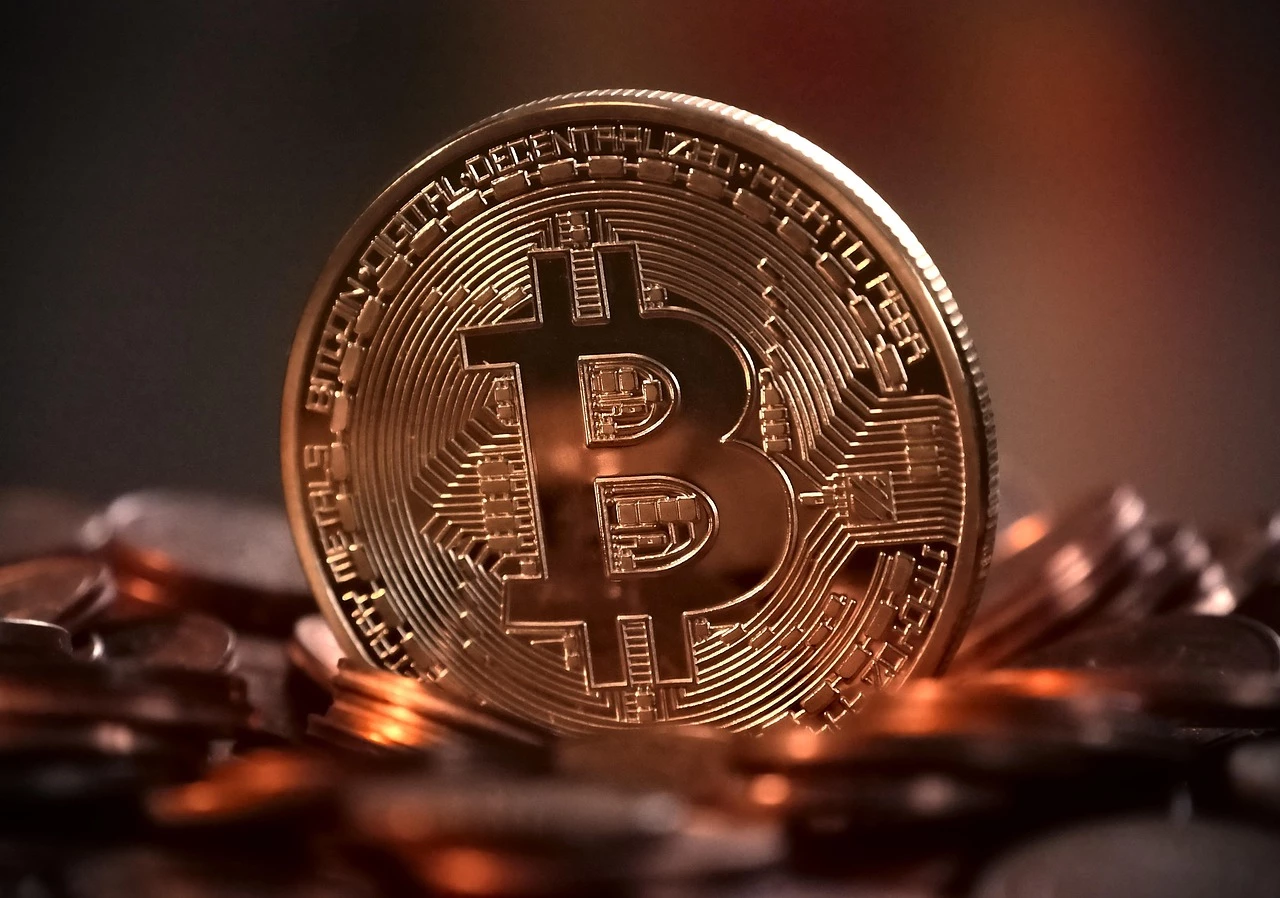
Tokenization in Cryptocurrency: The Next Frontier
This article covers KULA and related crypto trends with practical context. In the ever-evolving cryptocurrency landscape, tokenization stands out as a transformative force that promises to revolutionize traditional finance. By converting real-world assets into digital tokens on the blockchain, tokenization enhances liquidity and broadens access to investments. This article delves into the implications of tokenization for both investors and the broader market.
This guide gives you a concise, actionable overview of the topic and why it matters now.
Understanding Tokenization and Its Importance
What is Tokenization?
Tokenization refers to the process of converting ownership rights of real-world assets into a digital token on the blockchain. This technology enables assets like real estate, art, or even equities to be represented as tokens, facilitating easier trading and fractional ownership.
The benefits are substantial: tokenized assets can be traded 24/7, often with lower fees compared to traditional systems, and they can be divided into smaller units, allowing more people to invest in high-value assets.
Benefits of Tokenization
The primary advantages of tokenization include increased liquidity, accessibility, and security. Traditional assets can take days or weeks to transfer, but tokenized assets can be traded almost instantly, opening up new investment opportunities.
Furthermore, tokenization democratizes access to investments that were previously reserved for wealthy individuals or institutions, allowing a broader audience to participate in asset ownership.
The Role of Blockchain in Tokenization
How Blockchain Enhances Trust and Security
Blockchain technology is integral to tokenization, providing a secure and transparent way to track ownership and transactions. Each token transaction is recorded on a decentralized ledger, reducing the risk of fraud and increasing trust among participants.
Moreover, smart contracts, which execute automatically when conditions are met, can streamline the process further, ensuring compliance and reducing the need for intermediaries.
Challenges in Implementing Tokenization
Despite its benefits, tokenization faces several challenges. Regulatory uncertainties can hinder the adoption of tokenized assets, as different jurisdictions may have varying rules regarding ownership and trading of digital tokens.
Additionally, technological barriers and the need for standardization can slow down the process, as not all platforms may be compatible with each other, leading to fragmentation in the market.
Real-World Applications of Tokenization
Tokenizing Real Estate
One of the most promising applications of tokenization is in real estate. By creating digital tokens that represent shares in a property, investors can buy and sell these tokens, gaining exposure to the real estate market without the burdens of direct ownership.
This method not only increases liquidity but also allows for fractional ownership, making real estate investment accessible to a wider audience.
Tokenization in Art and Collectibles
Art and collectibles are another area ripe for tokenization. By tokenizing artwork, artists can receive direct compensation through sales while collectors can invest in high-value pieces without the need for large upfront capital. This innovation can also help in provenance tracking, ensuring that ownership histories are transparent and secure.
The Future of Tokenization in Cryptocurrency
Potential Market Growth
As more industries recognize the benefits of tokenization, we can expect significant market growth. Predictions suggest that tokenized assets could reach trillions in value within the next decade, reshaping the financial landscape.
This shift could lead to the emergence of new investment vehicles and platforms specifically designed for trading tokenized assets, further enhancing market participation.
Most outcomes in Tokenization in Cryptocurrency: The Next Frontier come from repeatable systems. Define assumptions, risks, invalidation points, and a recheck cadence. This habit beats narratives. Use KULA as a lens, but let decisions follow current data, not hype. Focus on liquidity, counterparty risk, and execution quality in Tokenization in Cryptocurrency: The Next Frontier. Prefer clear fee schedules and avoid hidden slippage. When uncertainty rises, reduce position size and extend review intervals. Builders who last in Tokenization in Cryptocurrency: The Next Frontier do unglamorous work. Document edge cases, measure latency, track fees and liquidity, and review error budgets. Discipline compounds faster than hot takes. Treat KULA as one variable in a wider model.
Builders who last in Tokenization in Cryptocurrency: The Next Frontier do unglamorous work. Document edge cases, measure latency, track fees and liquidity, and review error budgets. Discipline compounds faster than hot takes. Treat KULA as one variable in a wider model. Clarity in scope and metrics keeps teams aligned in Tokenization in Cryptocurrency: The Next Frontier. Write crisp definitions of done, instrument the path to green, and audit dependencies. Small, testable changes lower risk and speed up feedback. Operating in Tokenization in Cryptocurrency: The Next Frontier benefits from early telemetry and automated dashboards. Transparency reduces rework and panic moves. When KULA shifts, context is already captured, so you can adjust calmly instead of reacting late.
The Impact on Traditional Finance
Tokenization has the potential to disrupt traditional finance significantly. As investors increasingly turn to tokenized assets, banks and financial institutions may need to adapt their services to accommodate this new reality, possibly leading to more innovative financial products and services.
Moreover, the integration of tokenization into mainstream finance could result in a more efficient and transparent financial system, benefiting all stakeholders involved.
Key Takeaways
- Size positions small and review weekly.
- Measure risk before return in Tokenization in Cryptocurrency: The Next Frontier.
- Avoid leverage creep during volatility.
- Use data, not headlines, to decide.