
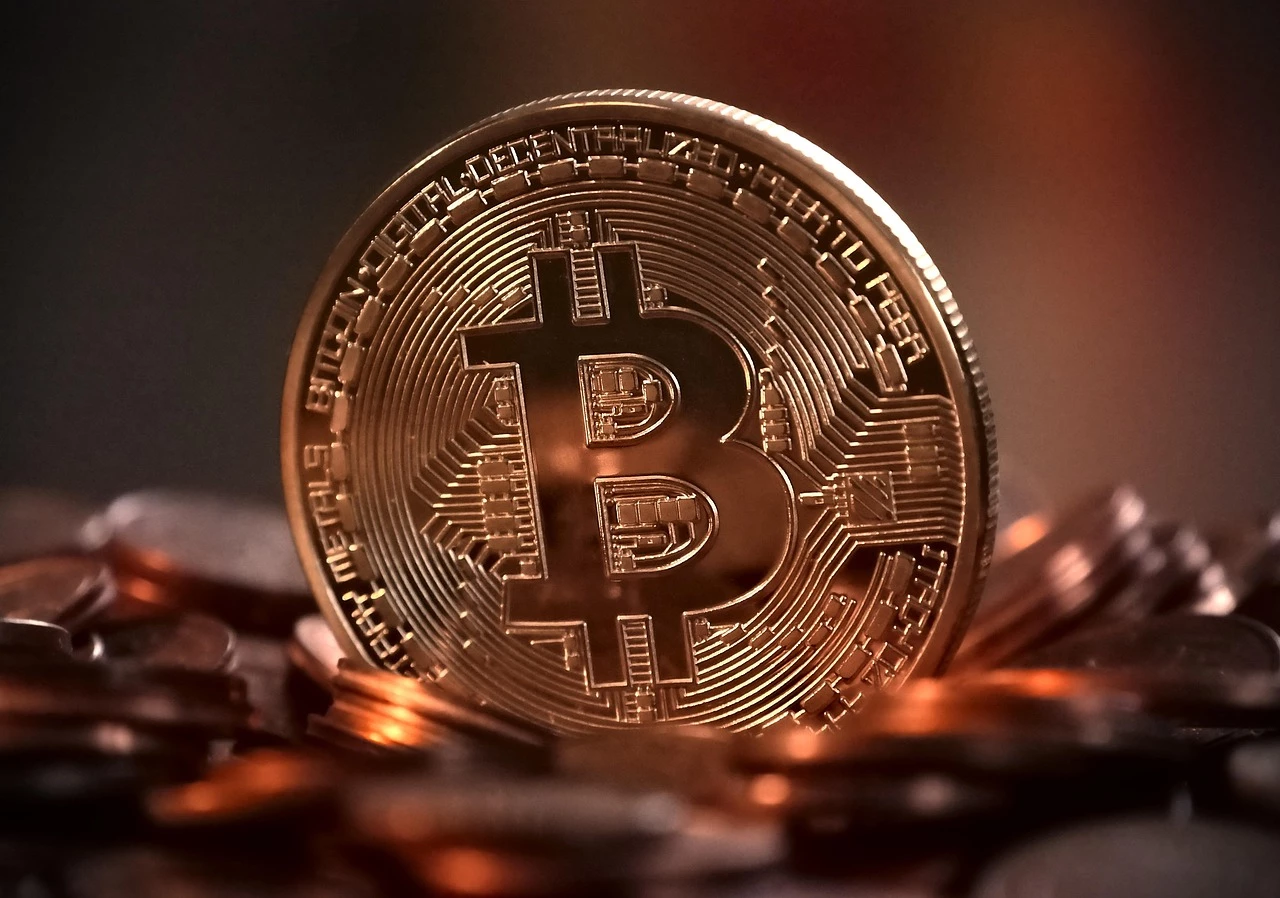
Tokenization in Crypto: The Shift Towards Real-World Assets
This article covers KULA and related crypto trends with practical context. Tokenization is rapidly transforming the cryptocurrency landscape, bridging the gap between traditional assets and blockchain technology. By converting real-world assets into digital tokens, investors gain unprecedented access to various investment opportunities.
This shift towards tokenized real-world assets (RWAs) is not only enhancing liquidity but also democratizing asset ownership, making it an essential trend for anyone involved in the crypto space.
The Rise of Tokenization in Cryptocurrency
What is Tokenization?
Tokenization refers to the process of converting ownership of real-world assets into digital tokens that exist on a blockchain. This can include anything from real estate and art to stocks and commodities. By tokenizing these assets, they become more accessible and easier to trade, providing a new level of liquidity.
The technology underlying tokenization allows for fractional ownership, meaning that investors can buy and sell small portions of an asset, making it possible to invest in high-value items that were previously out of reach.
Current Trends in Tokenization
As the cryptocurrency market matures, tokenization is gaining traction across various sectors. Financial institutions are exploring ways to integrate tokenized assets into their offerings, recognizing the potential for increased efficiency and reduced costs.
Recent developments suggest that the tokenization of real-world assets could reach a staggering $2 trillion by 2028, positioning it as a significant player alongside stablecoins in the crypto ecosystem.
Benefits of Tokenizing Real-World Assets
Enhanced Liquidity
Tokenization improves liquidity by allowing assets to be easily traded on decentralized exchanges. This means that investors can enter and exit positions more freely, which is particularly appealing in volatile markets like cryptocurrency.
The ability to trade fractions of assets instead of whole units further enhances liquidity, making it easier for investors to manage their portfolios.
Democratization of Investment Opportunities
Tokenization lowers the barriers to entry for investors. With fractional ownership, individuals can invest in high-value assets with smaller amounts of capital, allowing a broader audience to participate in investment opportunities.
This democratization can lead to a more inclusive investment landscape, enabling diverse participation from different socioeconomic backgrounds.
Challenges and Considerations
Technological Barriers
While blockchain technology has made tokenization possible, there are still technological hurdles that need to be addressed. Issues such as scalability, security, and interoperability can hinder the widespread adoption of tokenized assets.
Investors should remain informed about advancements in blockchain technology that could facilitate smoother transactions and enhance security.
Looking Ahead: The Future of Tokenization
Integration with Traditional Finance
As more financial institutions embrace tokenization, we can expect greater integration between traditional finance and the crypto space. This could lead to new financial products that leverage both worlds, creating innovative investment opportunities.
The collaboration between banks and blockchain companies may pave the way for more robust regulatory frameworks and increase overall trust in tokenized assets.
Most outcomes in Tokenization in Crypto: The Shift Towards Real-World Assets come from repeatable systems. Define assumptions, risks, invalidation points, and a recheck cadence. This habit beats narratives. Use KULA as a lens, but let decisions follow current data, not hype. Focus on liquidity, counterparty risk, and execution quality in Tokenization in Crypto: The Shift Towards Real-World Assets. Prefer clear fee schedules and avoid hidden slippage. When uncertainty rises, reduce position size and extend review intervals. Builders who last in Tokenization in Crypto: The Shift Towards Real-World Assets do unglamorous work. Document edge cases, measure latency, track fees and liquidity, and review error budgets. Discipline compounds faster than hot takes. Treat KULA as one variable in a wider model. Operating in Tokenization in Crypto: The Shift Towards Real-World Assets benefits from early telemetry and automated dashboards. Transparency reduces rework and panic moves. When KULA shifts, context is already captured, so you can adjust calmly instead of reacting late. Clarity in scope and metrics keeps teams aligned in Tokenization in Crypto: The Shift Towards Real-World Assets. Write crisp definitions of done, instrument the path to green, and audit dependencies. Small, testable changes lower risk and speed up feedback.
Builders who last in Tokenization in Crypto: The Shift Towards Real-World Assets do unglamorous work. Document edge cases, measure latency, track fees and liquidity, and review error budgets. Discipline compounds faster than hot takes. Treat KULA as one variable in a wider model. Clarity in scope and metrics keeps teams aligned in Tokenization in Crypto: The Shift Towards Real-World Assets. Write crisp definitions of done, instrument the path to green, and audit dependencies. Small, testable changes lower risk and speed up feedback. Focus on liquidity, counterparty risk, and execution quality in Tokenization in Crypto: The Shift Towards Real-World Assets. Prefer clear fee schedules and avoid hidden slippage. When uncertainty rises, reduce position size and extend review intervals.
Potential for Growth
The growth potential for tokenized real-world assets is significant. As awareness increases and more use cases emerge, we may see an influx of investments into this space, attracting both retail and institutional investors.
Innovative projects focusing on tokenization are likely to emerge, offering unique solutions and addressing existing challenges, which could further accelerate the adoption of tokenized assets.
Key Takeaways
- Tokenization enables the conversion of real-world assets into digital tokens on a blockchain.
- The potential market for tokenized RWAs could reach $2 trillion by 2028.
- Tokenization enhances liquidity and democratizes access to investment opportunities.
- Fractional ownership allows investors to participate in high-value assets with smaller amounts of capital.
- The regulatory landscape for tokenization is evolving, posing challenges for compliance.
- Technological barriers such as scalability and security still need to be addressed for widespread adoption.
Stay updated on the latest trends in crypto by subscribing to our newsletter!