
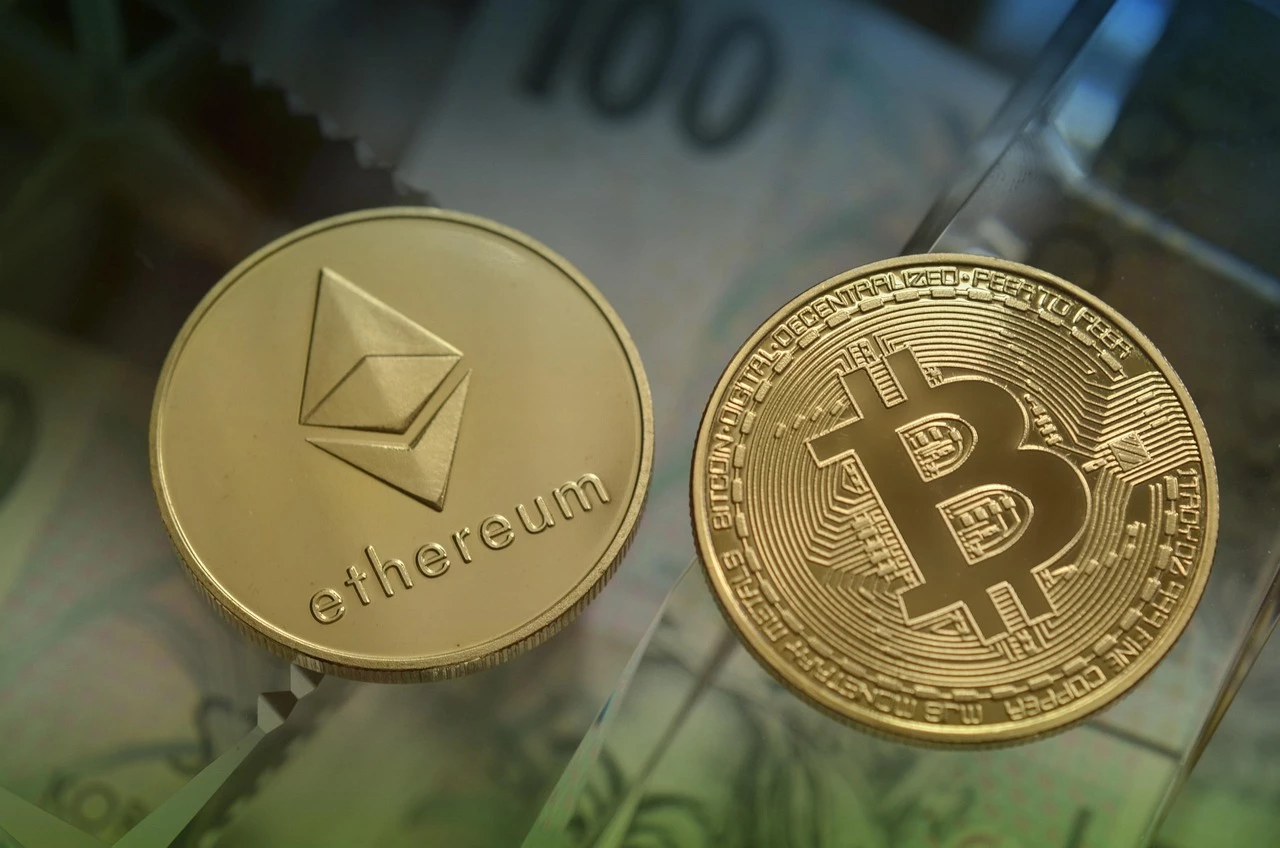
Tokenization in Crypto: Revolutionizing Assets and Investments
This article covers KULA and related crypto trends with practical context. Tokenization is increasingly becoming a pivotal concept in the world of cryptocurrency, blending the realms of traditional finance with blockchain technology. As the crypto landscape evolves, the rise of tokenized real-world assets (RWAs) is set to redefine how we perceive ownership and investment opportunities. This innovative approach enables the representation of tangible assets like real estate, stocks, and art on the blockchain, facilitating liquidity and accessibility for investors.
With major financial institutions like JPMorgan investing in tokenization, the momentum is undeniable. The potential for $2 trillion in tokenized RWAs by 2028 highlights the urgency for investors to grasp this transformative trend. In this article, we will explore the implications of tokenization in the crypto space, the benefits it brings to investors, and the challenges that lie ahead.
What is Tokenization?
Defining Tokenization
Tokenization refers to the process of converting ownership rights of a physical or digital asset into a digital token on a blockchain. This process not only enhances security and transparency but also allows for fractional ownership, making it easier for smaller investors to participate in markets that were previously out of reach.
How Tokenization Works
The mechanics behind tokenization involve the creation of a smart contract on a blockchain platform. This contract outlines the terms of ownership and the asset's details, while the token itself represents a digital certificate of ownership. When an asset is tokenized, it can be traded on various platforms, enhancing liquidity and market access.
The Benefits of Tokenization in Crypto
Increased Liquidity
One of the most significant advantages of tokenization is increased liquidity. Traditional assets often have long holding periods and are less accessible to average investors. By tokenizing these assets, they can be traded on decentralized exchanges, allowing for quicker transactions and greater market participation.
Fractional Ownership
Tokenization enables fractional ownership of high-value assets, such as real estate or artwork. This democratizes investment opportunities, allowing individuals to invest smaller amounts in assets they might not be able to afford outright. For example, rather than purchasing an entire property, an investor can buy a fraction of it through tokenized shares.
Transparency and Security
Blockchain technology provides inherent security and transparency features that traditional systems lack. Each transaction is recorded on a public ledger, making it easy to track ownership and provenance. This level of transparency can enhance trust among investors and reduce the risks associated with fraud.
Challenges Facing Tokenization
Regulatory Hurdles
As tokenization grows, so do concerns regarding regulation. Governments around the world are still formulating policies to govern the use of tokenized assets. This uncertainty can create hesitance among investors and institutions looking to enter the market.
Technology Limitations
The current technology infrastructure for tokenization is still evolving. Issues such as interoperability between different blockchains, scalability, and transaction speed need to be addressed to ensure widespread adoption.
Case Studies of Successful Tokenization
Real Estate Tokenization
Several platforms have successfully tokenized real estate, allowing investors to buy shares in properties. This model has proven successful in attracting a diverse range of investors, showcasing the potential for real estate investments to become more accessible.
Art and Collectibles
The art market has also seen a surge in tokenization. By creating digital tokens representing ownership of artworks, collectors can trade and sell pieces in a more fluid marketplace, potentially increasing their value and reach.
The Future of Tokenization in Cryptocurrency
Mainstream Adoption
As the technology matures and regulatory frameworks develop, we can expect tokenization to gain mainstream acceptance. Financial institutions and investors will likely continue to explore the potential benefits of tokenized assets, paving the way for a more integrated financial ecosystem.
Builders who last in Tokenization in Crypto: Revolutionizing Assets and Investments do unglamorous work. Document edge cases, measure latency, track fees and liquidity, and review error budgets. Discipline compounds faster than hot takes. Treat KULA as one variable in a wider model. Focus on liquidity, counterparty risk, and execution quality in Tokenization in Crypto: Revolutionizing Assets and Investments. Prefer clear fee schedules and avoid hidden slippage. When uncertainty rises, reduce position size and extend review intervals. Clarity in scope and metrics keeps teams aligned in Tokenization in Crypto: Revolutionizing Assets and Investments. Write crisp definitions of done, instrument the path to green, and audit dependencies. Small, testable changes lower risk and speed up feedback.
Clarity in scope and metrics keeps teams aligned in Tokenization in Crypto: Revolutionizing Assets and Investments. Write crisp definitions of done, instrument the path to green, and audit dependencies. Small, testable changes lower risk and speed up feedback. Operating in Tokenization in Crypto: Revolutionizing Assets and Investments benefits from early telemetry and automated dashboards. Transparency reduces rework and panic moves. When KULA shifts, context is already captured, so you can adjust calmly instead of reacting late. Most outcomes in Tokenization in Crypto: Revolutionizing Assets and Investments come from repeatable systems. Define assumptions, risks, invalidation points, and a recheck cadence. This habit beats narratives. Use KULA as a lens, but let decisions follow current data, not hype.
Innovative Use Cases
Beyond traditional assets, tokenization could extend to various sectors, including supply chain management, identity verification, and even intellectual property. The versatility of this technology may unlock new avenues for investment and ownership.
Key Takeaways
- Prefer liquid venues and clear fees.
- Use data, not headlines, to decide.
- Avoid leverage creep during volatility.
- Test changes on small capital first.