
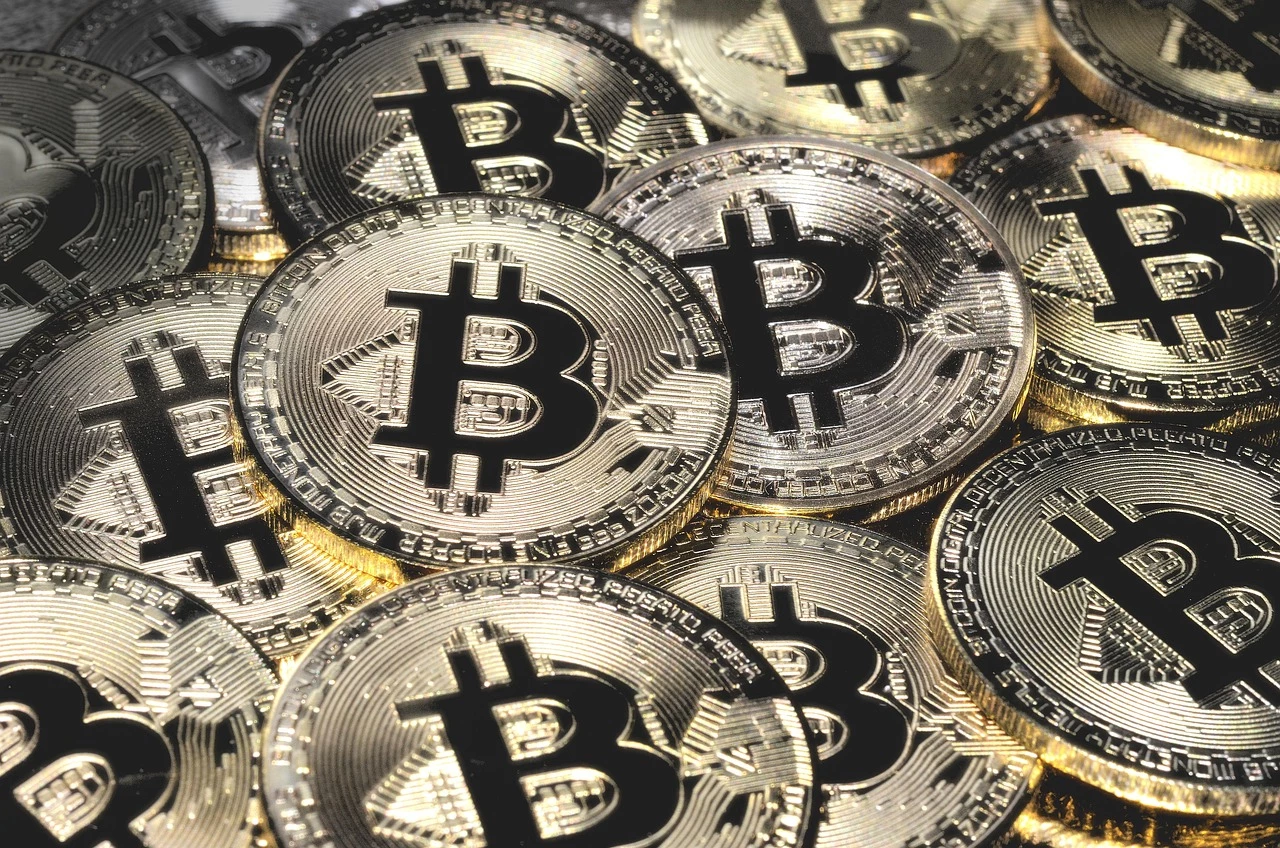
The Tokenization Revolution: How Blockchain is Reshaping Assets and Investments
This article covers KULA and related crypto trends with practical context. In recent years, the cryptocurrency landscape has witnessed a paradigm shift with the rise of tokenization, a process that allows real-world assets (RWAs) to be represented on the blockchain. This innovation is poised to redefine how we view ownership and investment in various sectors, from real estate to art and beyond. With projections estimating $2 trillion in tokenized RWAs by 2028, understanding this trend is crucial for anyone involved in the crypto space.
Tokenization simplifies the complexities of asset management, enhances liquidity, and democratizes access to investment opportunities. By leveraging smart contracts, tokenization offers unprecedented transparency and security, making it an attractive option for investors and businesses alike.
What is Tokenization?
Defining Tokenization
Tokenization refers to the process of converting ownership of real-world assets into digital tokens that can be managed and traded on a blockchain. Each token represents a fraction of the asset, enabling fractional ownership and making it easier for individuals to invest in high-value items, such as real estate or fine art.
This technology not only increases accessibility for smaller investors but also introduces efficiencies in trading and managing these assets.
The Role of Blockchain in Tokenization
Blockchain technology serves as the backbone of tokenization, providing a secure, decentralized ledger that records all transactions. This ensures that ownership is transparent and verifiable, reducing the risks associated with fraud and disputes.
Moreover, smart contracts automate many processes involved in asset management, streamlining transactions and reducing costs.
Benefits of Tokenization
Increased Liquidity
One of the most significant advantages of tokenization is enhanced liquidity. Traditional assets often have limited markets, making it difficult to sell them quickly. By tokenizing these assets, they can be traded on various platforms, significantly increasing their market reach and liquidity.
For instance, tokenized real estate can be sold in fractions, allowing multiple investors to buy in, thus creating a more active marketplace.
Democratization of Investment Opportunities
Tokenization opens doors for investors who previously couldn't afford high-value assets. It lowers the barrier to entry, enabling more people to participate in markets that were once exclusive to wealthy individuals or institutional investors.
This democratization fosters a more inclusive financial ecosystem, where everyone has the chance to invest and benefit from asset appreciation.
Challenges and Considerations
Regulatory Hurdles
While the potential for tokenization is immense, regulatory challenges remain a significant barrier. Governments worldwide are still figuring out how to classify and regulate tokenized assets, which can create uncertainty for investors and companies looking to enter the space.
Navigating this regulatory landscape requires careful consideration and adaptability from all stakeholders involved.
Technological Limitations
The current state of blockchain technology, while promising, is still evolving. Issues such as scalability, transaction speed, and interoperability between different blockchains need to be addressed for tokenization to reach its full potential.
Investors and developers must stay informed about technological advancements and be prepared to adapt as the landscape changes.
The Future of Tokenization
Predicted Growth and Trends
As more industries recognize the benefits of tokenization, we can expect significant growth in this sector. Financial services, real estate, and supply chain management are just a few areas likely to see increased adoption of tokenized assets.
Emerging technologies like AI and IoT may further enhance tokenization, offering new ways to manage and interact with assets on the blockchain.
Builders who last in The Tokenization Revolution: How Blockchain is Reshaping Assets and Investments do unglamorous work. Document edge cases, measure latency, track fees and liquidity, and review error budgets. Discipline compounds faster than hot takes. Treat KULA as one variable in a wider model. Most outcomes in The Tokenization Revolution: How Blockchain is Reshaping Assets and Investments come from repeatable systems. Define assumptions, risks, invalidation points, and a recheck cadence. This habit beats narratives. Use KULA as a lens, but let decisions follow current data, not hype. Focus on liquidity, counterparty risk, and execution quality in The Tokenization Revolution: How Blockchain is Reshaping Assets and Investments. Prefer clear fee schedules and avoid hidden slippage. When uncertainty rises, reduce position size and extend review intervals.
Builders who last in The Tokenization Revolution: How Blockchain is Reshaping Assets and Investments do unglamorous work. Document edge cases, measure latency, track fees and liquidity, and review error budgets. Discipline compounds faster than hot takes. Treat KULA as one variable in a wider model. Clarity in scope and metrics keeps teams aligned in The Tokenization Revolution: How Blockchain is Reshaping Assets and Investments. Write crisp definitions of done, instrument the path to green, and audit dependencies. Small, testable changes lower risk and speed up feedback. Focus on liquidity, counterparty risk, and execution quality in The Tokenization Revolution: How Blockchain is Reshaping Assets and Investments. Prefer clear fee schedules and avoid hidden slippage. When uncertainty rises, reduce position size and extend review intervals.
Potential Use Cases
Tokenization isn't limited to traditional assets. It can also extend to digital goods, loyalty points, and intellectual property. Companies are exploring ways to tokenize these items, creating new markets and opportunities for monetization.
For example, artists can tokenize their work, allowing fans to invest in their favorite pieces while ensuring creators receive fair compensation.
Key Takeaways
- Tokenization converts real-world assets into digital tokens on a blockchain.
- It enhances liquidity and democratizes investment opportunities.
- Regulatory hurdles and technological limitations pose challenges to widespread adoption.
- The future of tokenization looks promising with predicted growth across various industries.
- Emerging technologies could further optimize asset management and trading.
Join the tokenization revolution! Subscribe for more insights on blockchain and investment opportunities.