
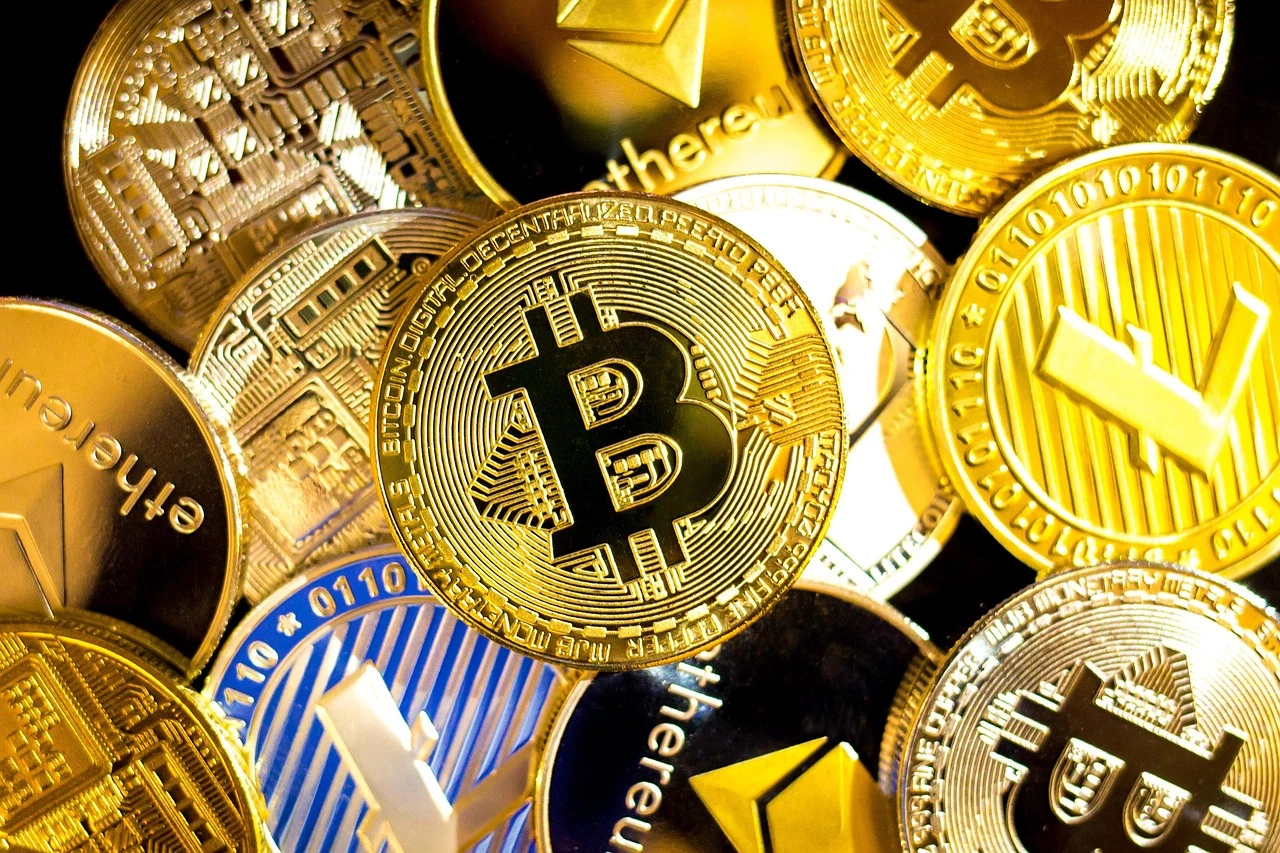
The Tokenization Revolution: How Blockchain is Reshaping Assets
This article covers KULA and related crypto trends with practical context. In the rapidly evolving landscape of cryptocurrency, tokenization has emerged as a powerful trend reshaping how assets are owned and traded. From real estate to art, blockchain technology is facilitating the representation of physical and digital assets as tokens, enabling fractional ownership and democratizing access to investment opportunities.
As we delve into the implications of this tokenization revolution, it becomes clear that the potential applications are vast and varied. This article explores the nuances of tokenization, its impact on various sectors, and why it is crucial for investors and businesses to understand this shift.
What is Tokenization?
Defining Tokenization
Tokenization refers to the process of converting rights to an asset into a digital token on a blockchain. This token acts as a representation of ownership, allowing for easier transfer and management of the asset in question. Essentially, tokenization breaks down barriers associated with traditional asset ownership, making it more accessible to a broader range of investors.
The Mechanics of Tokenization
At its core, tokenization involves the use of smart contracts, which automate and enforce agreements without the need for intermediaries. Once an asset is tokenized, it can be bought, sold, or traded on various platforms, creating liquidity where there was none before. This is particularly transformative for illiquid assets such as real estate or fine art.
Benefits of Tokenization
Increased Liquidity
One of the primary benefits of tokenization is the increase in liquidity. By enabling fractional ownership, assets that were once difficult to trade can now be divided into smaller, more affordable units. This attracts a wider pool of investors, enhancing market activity and potentially increasing asset value.
Democratization of Investment
Tokenization opens the door for retail investors who may have previously been excluded from certain markets. With lower minimum investment requirements, more individuals can participate in diverse asset classes, thus democratizing access to investment opportunities.
Real-World Applications of Tokenization
Real Estate
The real estate sector has been at the forefront of adopting tokenization. Properties can be tokenized, allowing investors to purchase shares in a property rather than the whole asset. This not only makes real estate investment more accessible but also allows for diversification within a portfolio.
Art and Collectibles
Artworks and collectibles can also be tokenized, enabling fractional ownership and expanding the market for artists and collectors alike. This shift allows fans to invest in pieces they admire without the financial burden of purchasing an entire work.
Challenges and Considerations
Regulatory Hurdles
Despite its potential, tokenization faces significant regulatory challenges. Different jurisdictions have varying laws regarding asset ownership and securities, which can complicate the tokenization process. Navigating these regulations is crucial for ensuring compliance and fostering trust among investors.
Technology Adoption
The success of tokenization hinges on widespread adoption of blockchain technology. While interest is growing, many businesses remain hesitant due to the perceived complexity and volatility of the crypto market. Education and awareness will be key in overcoming these barriers.
The Future of Tokenization
Expanding Asset Classes
As technology advances, we can expect tokenization to expand beyond traditional assets. This could include tokenized versions of intellectual property, carbon credits, and even personal data. The possibilities are virtually limitless, paving the way for innovative investment opportunities.
Focus on liquidity, counterparty risk, and execution quality in The Tokenization Revolution: How Blockchain is Reshaping Assets. Prefer clear fee schedules and avoid hidden slippage. When uncertainty rises, reduce position size and extend review intervals. Clarity in scope and metrics keeps teams aligned in The Tokenization Revolution: How Blockchain is Reshaping Assets. Write crisp definitions of done, instrument the path to green, and audit dependencies. Small, testable changes lower risk and speed up feedback. Most outcomes in The Tokenization Revolution: How Blockchain is Reshaping Assets come from repeatable systems. Define assumptions, risks, invalidation points, and a recheck cadence. This habit beats narratives. Use KULA as a lens, but let decisions follow current data, not hype. Operating in The Tokenization Revolution: How Blockchain is Reshaping Assets benefits from early telemetry and automated dashboards. Transparency reduces rework and panic moves. When KULA shifts, context is already captured, so you can adjust calmly instead of reacting late.
Clarity in scope and metrics keeps teams aligned in The Tokenization Revolution: How Blockchain is Reshaping Assets. Write crisp definitions of done, instrument the path to green, and audit dependencies. Small, testable changes lower risk and speed up feedback. Focus on liquidity, counterparty risk, and execution quality in The Tokenization Revolution: How Blockchain is Reshaping Assets. Prefer clear fee schedules and avoid hidden slippage. When uncertainty rises, reduce position size and extend review intervals. Most outcomes in The Tokenization Revolution: How Blockchain is Reshaping Assets come from repeatable systems. Define assumptions, risks, invalidation points, and a recheck cadence. This habit beats narratives. Use KULA as a lens, but let decisions follow current data, not hype.
Integration with DeFi
Tokenization will likely play a significant role in the decentralized finance (DeFi) ecosystem. By integrating tokenized assets with DeFi protocols, investors could unlock new financial products and services that enhance yield generation and liquidity.
Key Takeaways
- Tokenization transforms asset ownership by representing rights to assets as digital tokens on a blockchain.
- Smart contracts facilitate the buying, selling, and trading of tokenized assets, increasing liquidity.
- Fractional ownership allows for broader participation in asset classes previously restricted to high-net-worth individuals.
- Real estate and art are leading sectors in adopting tokenization for greater accessibility and investment opportunities.
- Regulatory hurdles remain a significant challenge for the widespread adoption of tokenization in various markets.
- The future of tokenization is bright, with potential expansions into diverse asset classes and integration with DeFi.
Stay informed about the latest trends in tokenization and blockchain technology. Subscribe to our newsletter for expert insights and updates.