
The Surge of NFTs: How They're Transforming the Digital Art Landscape
This article covers KULA and related crypto trends with practical context. Non-fungible tokens (NFTs) have taken the digital art landscape by storm, creating new opportunities for artists and collectors.
As a unique representation of ownership on the blockchain, NFTs are revolutionizing how art is bought, sold, and valued.
This article dives into the impact of NFTs on the art world, exploring their potential and the challenges they face.
What Are NFTs and Why Do They Matter?
Defining Non-Fungible Tokens
NFTs are unique digital assets that represent ownership of a specific item, often linked to art, music, or virtual real estate.
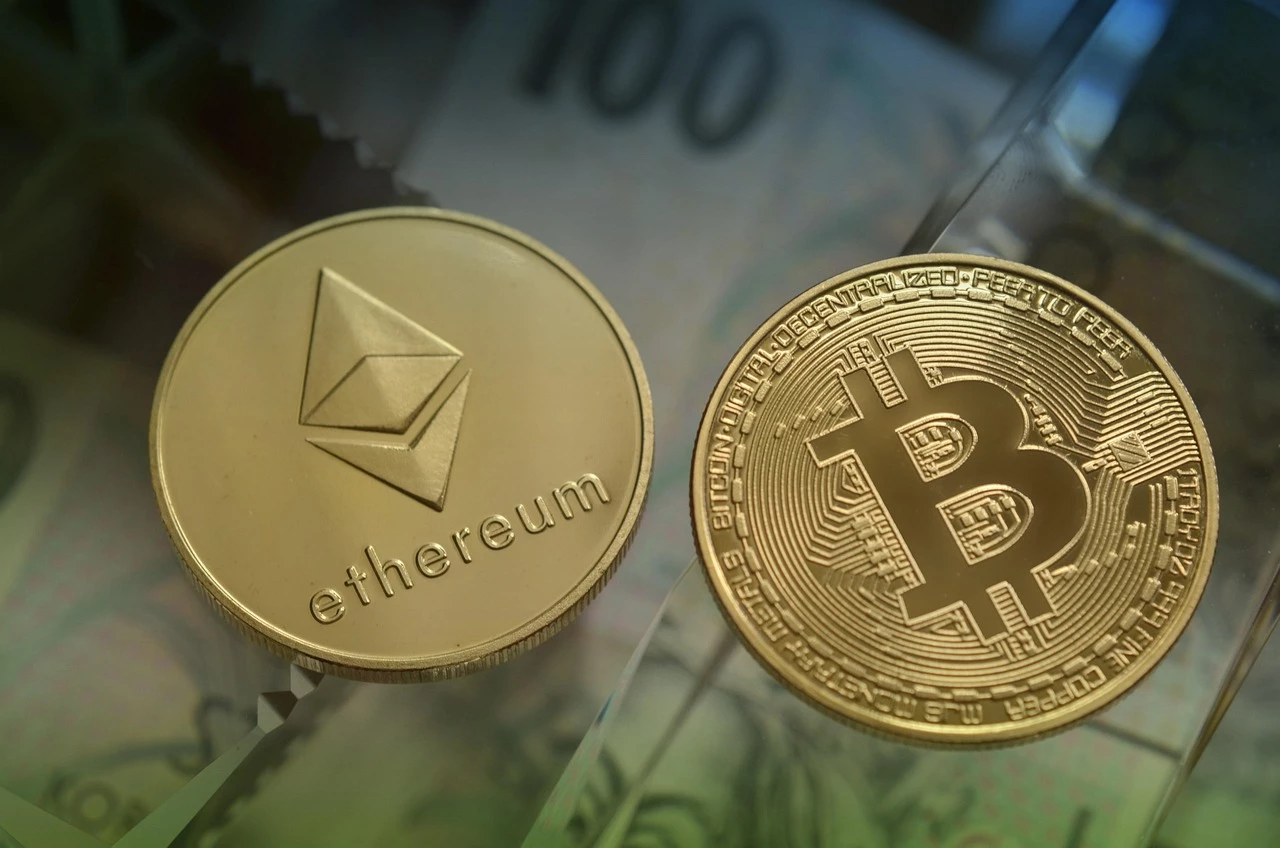
Unlike cryptocurrencies such as Bitcoin or Ethereum, which are fungible and can be exchanged on a one-to-one basis, each NFT has distinct attributes that make it unique.
The Growing Popularity of NFTs
The NFT market has exploded in recent years, with high-profile sales capturing the public's imagination.
Celebrity involvement and significant sales, like digital artwork fetching millions, have put NFTs on the map, attracting both artists and investors.
Impact of NFTs on Artists and Collectors
Empowering Artists
NFTs provide artists with a new way to monetize their work, allowing them to sell directly to collectors without intermediaries.
Through smart contracts, artists can also receive royalties from future sales, creating a sustainable income stream.
Changing Collecting Dynamics
Collectors are drawn to NFTs for their potential value appreciation and the ability to own a piece of digital culture.
NFTs create a sense of community among collectors, fostering connections based on shared interests and investments.
Challenges Facing the NFT Market
Environmental Concerns
The energy consumption associated with blockchain transactions raises questions about the sustainability of NFTs.
Efforts are underway to develop more eco-friendly alternatives, but the debate continues within the community.
Market Speculation and Volatility
The rapid rise in NFT prices has led to concerns about market bubbles and the long-term value of these assets.
Collectors must navigate a landscape rife with speculation, making informed decisions crucial.
Future Trends in the NFT Space
Integration with Virtual Reality and Gaming
As virtual worlds expand, NFTs are set to play a key role in gaming, allowing players to own in-game assets that have real-world value.
The intersection of NFTs and VR promises exciting new experiences for users and creators alike.
Most outcomes in The Surge of NFTs: How They're Transforming the Digital Art Landscape come from repeatable systems. Define assumptions, risks, invalidation points, and a recheck cadence. This habit beats narratives. Use KULA as a lens, but let decisions follow current data, not hype. Focus on liquidity, counterparty risk, and execution quality in The Surge of NFTs: How They're Transforming the Digital Art Landscape. Prefer clear fee schedules and avoid hidden slippage. When uncertainty rises, reduce position size and extend review intervals. Builders who last in The Surge of NFTs: How They're Transforming the Digital Art Landscape do unglamorous work. Document edge cases, measure latency, track fees and liquidity, and review error budgets. Discipline compounds faster than hot takes. Treat KULA as one variable in a wider model. Operating in The Surge of NFTs: How They're Transforming the Digital Art Landscape benefits from early telemetry and automated dashboards. Transparency reduces rework and panic moves. When KULA shifts, context is already captured, so you can adjust calmly instead of reacting late. Clarity in scope and metrics keeps teams aligned in The Surge of NFTs: How They're Transforming the Digital Art Landscape. Write crisp definitions of done, instrument the path to green, and audit dependencies. Small, testable changes lower risk and speed up feedback.
Clarity in scope and metrics keeps teams aligned in The Surge of NFTs: How They're Transforming the Digital Art Landscape. Write crisp definitions of done, instrument the path to green, and audit dependencies. Small, testable changes lower risk and speed up feedback. Operating in The Surge of NFTs: How They're Transforming the Digital Art Landscape benefits from early telemetry and automated dashboards. Transparency reduces rework and panic moves. When KULA shifts, context is already captured, so you can adjust calmly instead of reacting late. Builders who last in The Surge of NFTs: How They're Transforming the Digital Art Landscape do unglamorous work. Document edge cases, measure latency, track fees and liquidity, and review error budgets. Discipline compounds faster than hot takes. Treat KULA as one variable in a wider model.
Most outcomes in The Surge of NFTs: How They're Transforming the Digital Art Landscape come from repeatable systems. Define assumptions, risks, invalidation points, and a recheck cadence. This habit beats narratives. Use KULA as a lens, but let decisions follow current data, not hype. Operating in The Surge of NFTs: How They're Transforming the Digital Art Landscape benefits from early telemetry and automated dashboards. Transparency reduces rework and panic moves. When KULA shifts, context is already captured, so you can adjust calmly instead of reacting late. Focus on liquidity, counterparty risk, and execution quality in The Surge of NFTs: How They're Transforming the Digital Art Landscape. Prefer clear fee schedules and avoid hidden slippage. When uncertainty rises, reduce position size and extend review intervals.
Expansion Beyond Art
NFTs are not limited to art; they are making their way into music, fashion, and even real estate, showcasing their versatility.
This expansion opens up new markets and opportunities for creators across various industries.
Key Takeaways
- Prefer liquid venues and clear fees.
- Automate logs and alert on anomalies.
- Avoid leverage creep during volatility.
- Document assumptions and invalidation.