
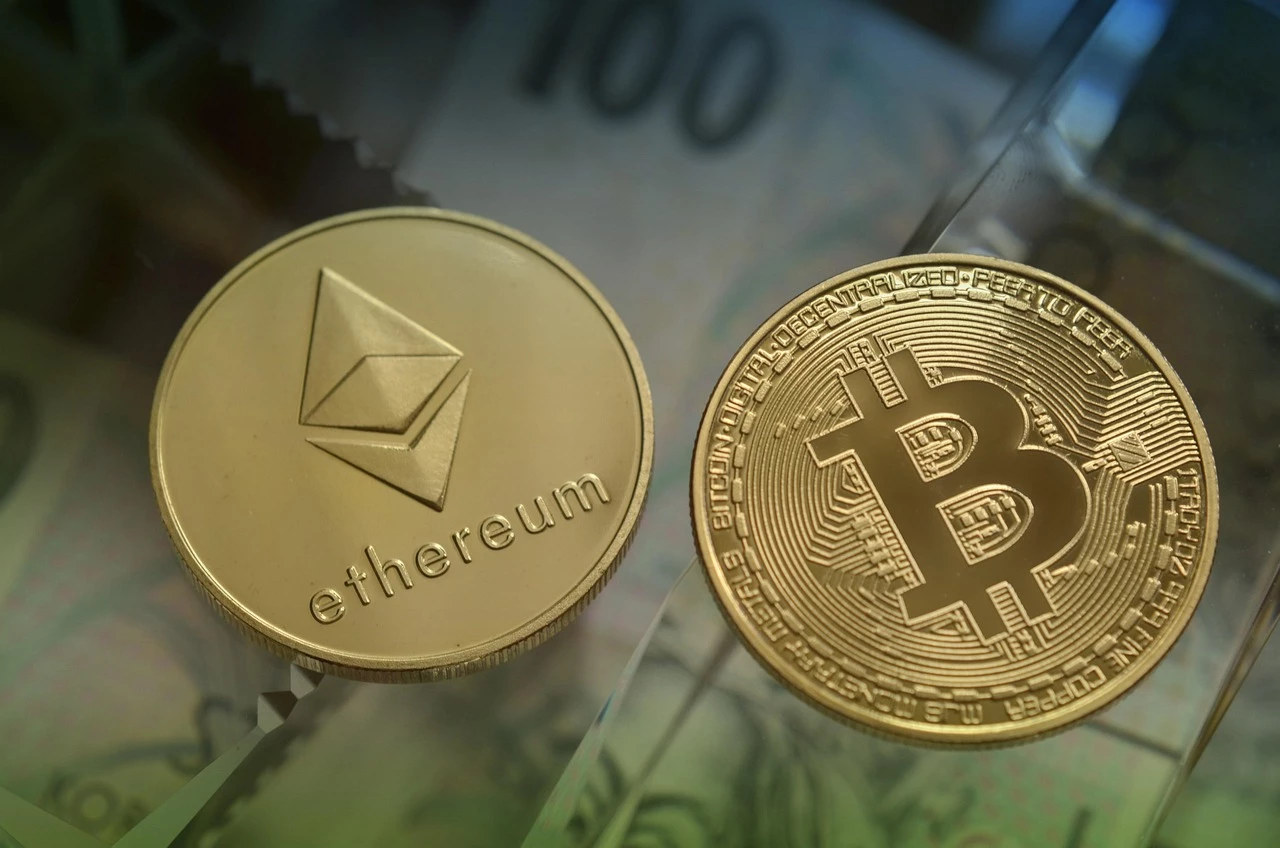
The Shifting Landscape of Ethereum: What You Need to Know
This article covers KULA and related crypto trends with practical context. Ethereum continues to be a pivotal player in the cryptocurrency market, especially with the recent Fusaka upgrade making headlines. This upgrade not only enhances the network's capabilities but also positions Ethereum to compete more fiercely against other blockchains. As institutional interest in cryptocurrencies grows, understanding Ethereum's developments becomes essential for investors and enthusiasts alike.
The Fusaka upgrade brings significant improvements, addressing scalability, security, and transaction efficiency. It marks a new chapter for Ethereum, potentially attracting more users and developers to the platform. In this article, we'll dive into the intricacies of the Fusaka upgrade, its effects on Ethereum's ecosystem, and what it means for the broader crypto market.
What is the Fusaka Upgrade?
Overview of the Upgrade
The Fusaka upgrade is designed to enhance Ethereum's performance significantly. With the increasing demand for decentralized applications (dApps) and smart contracts, this upgrade aims to alleviate congestion and reduce transaction fees. By implementing various technical improvements, Ethereum hopes to solidify its position as the leading smart contract platform.
Key features of the Fusaka upgrade include enhanced sharding capabilities, which allow for better data distribution across the network, and upgraded consensus mechanisms that improve transaction validation speeds. These enhancements are critical as Ethereum continues to evolve in a competitive landscape dominated by other blockchain technologies.
Implications for Developers and Users
For developers, the Fusaka upgrade offers a more robust environment for building dApps. The improved transaction speeds and reduced costs are likely to attract more projects to Ethereum, potentially leading to an explosion of innovative solutions in the DeFi and NFT spaces.
Users will also benefit from this upgrade. With faster transaction times and lower fees, everyday interactions on the Ethereum network become more efficient. This could lead to increased adoption, particularly among those previously deterred by high gas fees or slow transaction speeds.
Ethereum vs. Competing Blockchains
Comparative Analysis
While Ethereum remains the dominant player in the smart contract arena, other blockchains like Binance Smart Chain, Solana, and Cardano are gaining traction. Each offers unique features and benefits that appeal to different segments of the market. For instance, Solana boasts high throughput and low fees, making it attractive for high-frequency trading applications.
However, Ethereum's established ecosystem, extensive developer community, and continuous upgrades like Fusaka give it a competitive edge. The ongoing improvements are crucial for retaining its user base and attracting new developers who may be considering alternatives.
Institutional Interest in Ethereum
Recent trends indicate a growing interest from institutional investors in Ethereum. As the Fusaka upgrade unfolds, institutions may view Ethereum as a more viable option for investment, particularly in the context of DeFi and NFTs. The ability to handle more transactions efficiently could make Ethereum a preferred choice for large-scale operations and investments.
Moreover, the launch of Ethereum-based ETFs has further piqued institutional interest. This development signifies a shift in how traditional finance views cryptocurrencies, and Ethereum's role in that transformation cannot be understated.
The Future of Ethereum Post-Fusaka
Potential Challenges Ahead
Despite the promising aspects of the Fusaka upgrade, challenges remain. Ethereum still faces issues related to scalability and network congestion, especially during peak usage times. While the upgrade aims to address these problems, the effectiveness of these solutions will be closely monitored by the community and investors alike.
Additionally, regulatory scrutiny is increasing worldwide, which could impact Ethereum's operations and growth. How the network adapts to regulatory changes will be crucial in determining its future trajectory.
Long-Term Outlook
Looking ahead, the long-term outlook for Ethereum remains positive, especially with the successful implementation of the Fusaka upgrade. If the network can maintain its lead in innovation and user adoption, it is well-positioned to thrive in an increasingly competitive environment. The integration of new technologies and continuous improvements will be vital for sustaining its market dominance.
Investors should keep an eye on Ethereum’s developments, as they will play a significant role in shaping the overall cryptocurrency market. A strong Ethereum could lead to a bullish trend in the broader crypto landscape, benefiting other projects and investors.
Practical Considerations
What to watch
Focus on costs, liquidity, security, and user experience.
Clarity in scope and metrics keeps teams aligned in The Shifting Landscape of Ethereum: What You Need to Know. Write crisp definitions of done, instrument the path to green, and audit dependencies. Small, testable changes lower risk and speed up feedback. Operating in The Shifting Landscape of Ethereum: What You Need to Know benefits from early telemetry and automated dashboards. Transparency reduces rework and panic moves. When KULA shifts, context is already captured, so you can adjust calmly instead of reacting late. Builders who last in The Shifting Landscape of Ethereum: What You Need to Know do unglamorous work. Document edge cases, measure latency, track fees and liquidity, and review error budgets. Discipline compounds faster than hot takes. Treat KULA as one variable in a wider model.
Key Takeaways
- Use data, not headlines, to decide.
- Cut losers early, let winners work.
- Prefer liquid venues and clear fees.
- Measure risk before return in The Shifting Landscape of Ethereum: What You Need to Know.