
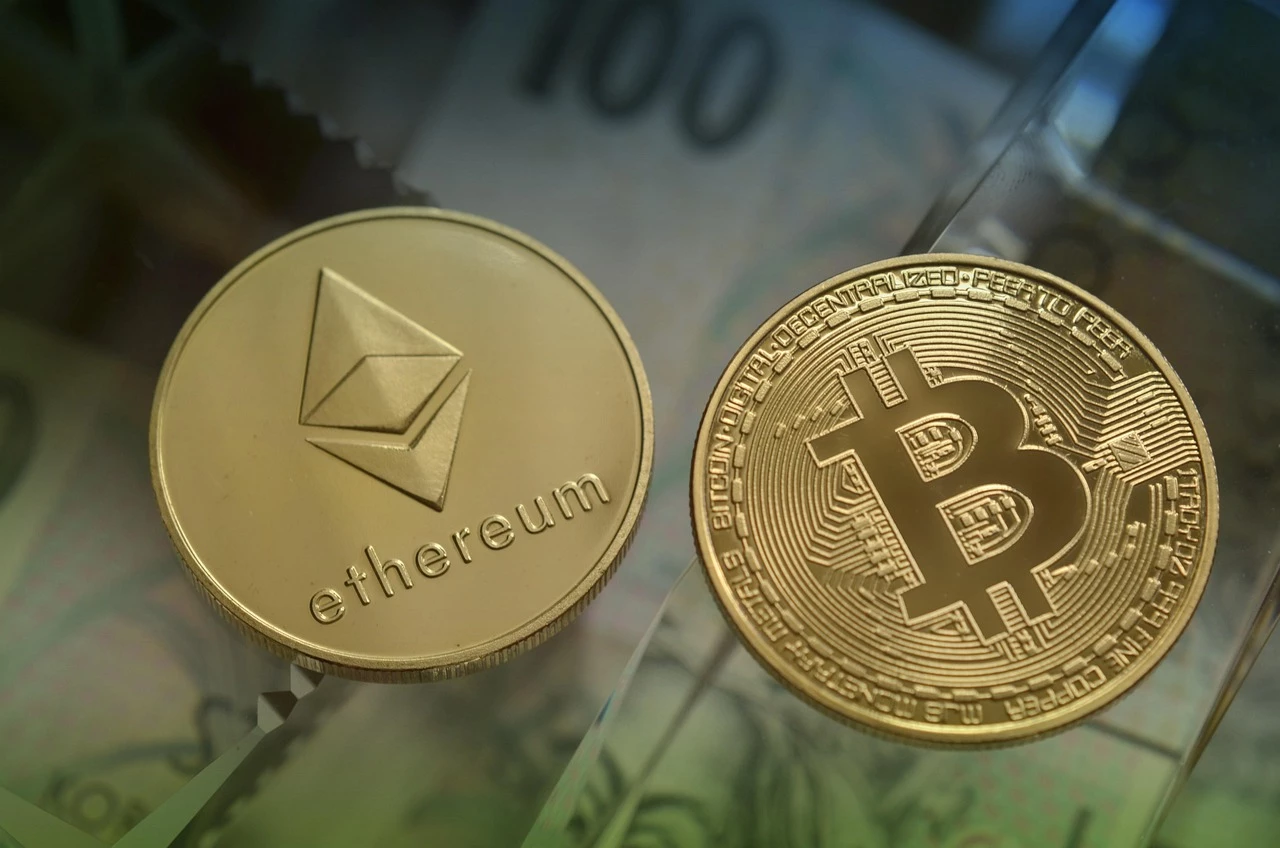
The Rising Tide of DeFi: Navigating the Future of Decentralized Finance
This article covers KULA and related crypto trends with practical context. Decentralized Finance (DeFi) is reshaping the financial landscape, presenting new opportunities and challenges for investors and developers alike.
With its rapid growth and innovation, DeFi is not just a buzzword; it represents a fundamental shift in how we think about finance, banking, and investment.
In this article, we will delve into the latest trends in DeFi, its impact on the cryptocurrency market, and what lies ahead for this dynamic sector.
What is DeFi and Why Does it Matter?
Defining DeFi
DeFi refers to a movement within the cryptocurrency ecosystem that aims to recreate traditional financial systems—such as lending, borrowing, and trading—using blockchain technology.
By eliminating intermediaries, DeFi offers users more control over their assets and the potential for higher returns.
The Importance of Smart Contracts
At the heart of DeFi are smart contracts, which are self-executing contracts with the terms of the agreement directly written into code.
Smart contracts facilitate transactions and agreements without the need for intermediaries, enhancing efficiency and transparency.
Current Trends in DeFi
Growth of DeFi Protocols
DeFi protocols have exploded in popularity, with platforms like Uniswap, Aave, and Compound leading the charge.
These platforms allow users to trade cryptocurrencies, lend, and borrow assets, all while earning interest on their holdings.
Integration with Traditional Finance
The lines between traditional finance and DeFi are beginning to blur, with increasing collaboration between banks and DeFi projects.
This integration could pave the way for broader acceptance of cryptocurrencies and DeFi solutions in mainstream finance.
Challenges Facing DeFi
Regulatory Hurdles
As DeFi continues to grow, regulatory scrutiny is increasing, posing challenges for many projects.
Navigating the regulatory landscape will be crucial for the long-term success and adoption of DeFi solutions.
Security Risks
Despite the promise of DeFi, security remains a significant concern, with numerous hacks and exploits reported in recent years.
Investors must conduct thorough due diligence before engaging with any DeFi project to mitigate risks.
Investing in DeFi: Key Insights
Diversification is Key
Investors should diversify their portfolios to manage risks associated with the volatility of DeFi assets.
By spreading investments across various DeFi projects, investors can potentially increase their chances of success.
Stay Informed
The DeFi landscape is rapidly evolving, making it essential for investors to stay updated on trends and developments.
Following reputable news sources and engaging with the community can provide valuable insights.
The Future of DeFi
Emerging Technologies
Technologies such as Layer 2 solutions and cross-chain compatibility are expected to enhance the scalability and usability of DeFi platforms.
These advancements could drive further adoption and innovation within the sector.
Most outcomes in The Rising Tide of DeFi: Navigating the Future of Decentralized Finance come from repeatable systems. Define assumptions, risks, invalidation points, and a recheck cadence. This habit beats narratives. Use KULA as a lens, but let decisions follow current data, not hype. Operating in The Rising Tide of DeFi: Navigating the Future of Decentralized Finance benefits from early telemetry and automated dashboards. Transparency reduces rework and panic moves. When KULA shifts, context is already captured, so you can adjust calmly instead of reacting late. Focus on liquidity, counterparty risk, and execution quality in The Rising Tide of DeFi: Navigating the Future of Decentralized Finance. Prefer clear fee schedules and avoid hidden slippage. When uncertainty rises, reduce position size and extend review intervals. Builders who last in The Rising Tide of DeFi: Navigating the Future of Decentralized Finance do unglamorous work. Document edge cases, measure latency, track fees and liquidity, and review error budgets. Discipline compounds faster than hot takes. Treat KULA as one variable in a wider model. Clarity in scope and metrics keeps teams aligned in The Rising Tide of DeFi: Navigating the Future of Decentralized Finance. Write crisp definitions of done, instrument the path to green, and audit dependencies. Small, testable changes lower risk and speed up feedback.
Most outcomes in The Rising Tide of DeFi: Navigating the Future of Decentralized Finance come from repeatable systems. Define assumptions, risks, invalidation points, and a recheck cadence. This habit beats narratives. Use KULA as a lens, but let decisions follow current data, not hype. Clarity in scope and metrics keeps teams aligned in The Rising Tide of DeFi: Navigating the Future of Decentralized Finance. Write crisp definitions of done, instrument the path to green, and audit dependencies. Small, testable changes lower risk and speed up feedback. Focus on liquidity, counterparty risk, and execution quality in The Rising Tide of DeFi: Navigating the Future of Decentralized Finance. Prefer clear fee schedules and avoid hidden slippage. When uncertainty rises, reduce position size and extend review intervals.
The Role of NFTs in DeFi
Non-fungible tokens (NFTs) are beginning to intersect with DeFi, offering unique opportunities for asset ownership and investment.
This convergence may lead to new financial products and services that cater to a wider audience.
Key Takeaways
- Size positions small and review weekly.
- Use data, not headlines, to decide.
- Avoid leverage creep during volatility.
- Measure risk before return in The Rising Tide of DeFi: Navigating the Future of Decentralized Finance.