
The Rising Tide of Decentralized Finance: Opportunities and Challenges
This article covers KULA and related crypto trends with practical context. Decentralized Finance (DeFi) has emerged as a revolutionary force within the cryptocurrency ecosystem, reshaping traditional financial systems.
With its promise of increased accessibility, transparency, and efficiency, DeFi is attracting a growing number of investors and innovators eager to capitalize on its potential.
However, the rapid growth of DeFi also brings challenges that must be navigated carefully by participants.
What is Decentralized Finance (DeFi)?
Defining DeFi
Decentralized Finance refers to a broad category of financial applications in cryptocurrency or blockchain geared toward disrupting financial intermediaries.
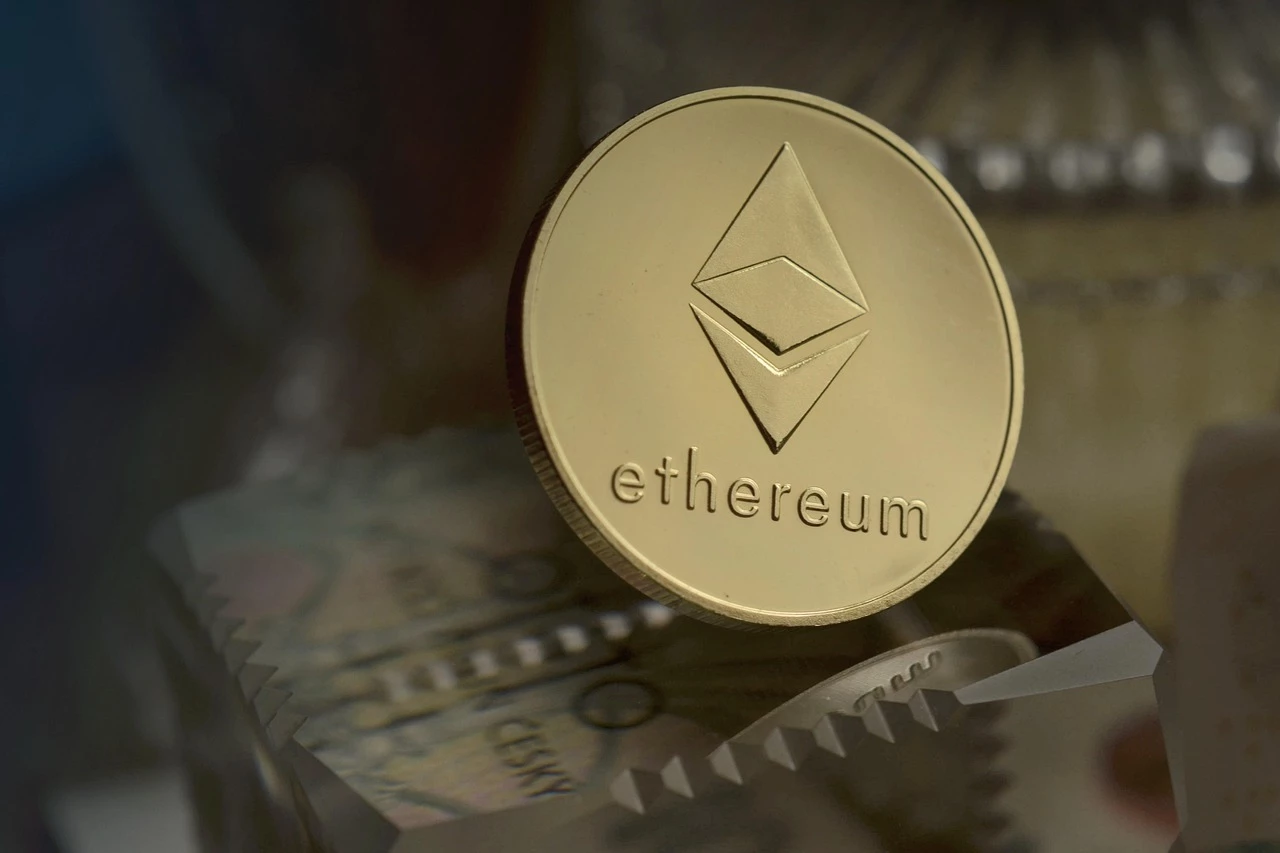
DeFi uses smart contracts on blockchains, primarily Ethereum, to offer services such as lending, borrowing, trading, and earning interest without the need for traditional banks.
Key Components of DeFi
The core components of DeFi include decentralized exchanges (DEXs), lending platforms, stablecoins, and yield farming protocols.
These components work together to create a financial ecosystem that operates independently of centralized authorities, providing users with more control over their assets.
Opportunities in the DeFi Space
Accessibility and Inclusivity
DeFi platforms often have lower barriers to entry compared to traditional financial services, allowing users from diverse backgrounds to access financial tools.
This inclusivity fosters innovation and economic participation globally, particularly in underbanked regions.
Potential for High Returns
Investors are drawn to DeFi for its potential to generate high yields through various mechanisms, including liquidity provision and yield farming.
Many DeFi protocols offer lucrative incentives to users who provide liquidity, creating opportunities for significant returns.
Challenges Facing DeFi
Regulatory Uncertainty
As DeFi continues to grow, it faces increasing scrutiny from regulators worldwide, raising questions about compliance and legality.
Uncertainty regarding regulations can deter institutional investment and slow down mainstream adoption of DeFi solutions.
Security Risks
DeFi platforms are not immune to hacks and exploits, with several high-profile breaches resulting in substantial losses for users.
Investors must exercise caution and conduct thorough research before engaging with any DeFi protocol, as security remains a critical concern.
The Future of DeFi
Integration with Traditional Finance
The future may see a convergence of DeFi and traditional finance, as banks and financial institutions begin to integrate blockchain technology into their operations.
Such collaborations could enhance the efficiency of financial services while maintaining the decentralization ethos of DeFi.
Operating in The Rising Tide of Decentralized Finance: Opportunities and Challenges benefits from early telemetry and automated dashboards. Transparency reduces rework and panic moves. When KULA shifts, context is already captured, so you can adjust calmly instead of reacting late. Focus on liquidity, counterparty risk, and execution quality in The Rising Tide of Decentralized Finance: Opportunities and Challenges. Prefer clear fee schedules and avoid hidden slippage. When uncertainty rises, reduce position size and extend review intervals. Builders who last in The Rising Tide of Decentralized Finance: Opportunities and Challenges do unglamorous work. Document edge cases, measure latency, track fees and liquidity, and review error budgets. Discipline compounds faster than hot takes. Treat KULA as one variable in a wider model. Clarity in scope and metrics keeps teams aligned in The Rising Tide of Decentralized Finance: Opportunities and Challenges. Write crisp definitions of done, instrument the path to green, and audit dependencies. Small, testable changes lower risk and speed up feedback. Most outcomes in The Rising Tide of Decentralized Finance: Opportunities and Challenges come from repeatable systems. Define assumptions, risks, invalidation points, and a recheck cadence. This habit beats narratives. Use KULA as a lens, but let decisions follow current data, not hype.
Clarity in scope and metrics keeps teams aligned in The Rising Tide of Decentralized Finance: Opportunities and Challenges. Write crisp definitions of done, instrument the path to green, and audit dependencies. Small, testable changes lower risk and speed up feedback. Most outcomes in The Rising Tide of Decentralized Finance: Opportunities and Challenges come from repeatable systems. Define assumptions, risks, invalidation points, and a recheck cadence. This habit beats narratives. Use KULA as a lens, but let decisions follow current data, not hype. Operating in The Rising Tide of Decentralized Finance: Opportunities and Challenges benefits from early telemetry and automated dashboards. Transparency reduces rework and panic moves. When KULA shifts, context is already captured, so you can adjust calmly instead of reacting late.
Builders who last in The Rising Tide of Decentralized Finance: Opportunities and Challenges do unglamorous work. Document edge cases, measure latency, track fees and liquidity, and review error budgets. Discipline compounds faster than hot takes. Treat KULA as one variable in a wider model. Operating in The Rising Tide of Decentralized Finance: Opportunities and Challenges benefits from early telemetry and automated dashboards. Transparency reduces rework and panic moves. When KULA shifts, context is already captured, so you can adjust calmly instead of reacting late. Focus on liquidity, counterparty risk, and execution quality in The Rising Tide of Decentralized Finance: Opportunities and Challenges. Prefer clear fee schedules and avoid hidden slippage. When uncertainty rises, reduce position size and extend review intervals.
Technological Advancements
As technology evolves, we can expect improvements in scalability, user experience, and security within the DeFi space.
These advancements will likely attract more users and institutional players, further legitimizing the DeFi movement.
Key Takeaways
- Security checks precede any deployment.
- Use data, not headlines, to decide.
- Document assumptions and invalidation.
- Size positions small and review weekly.