
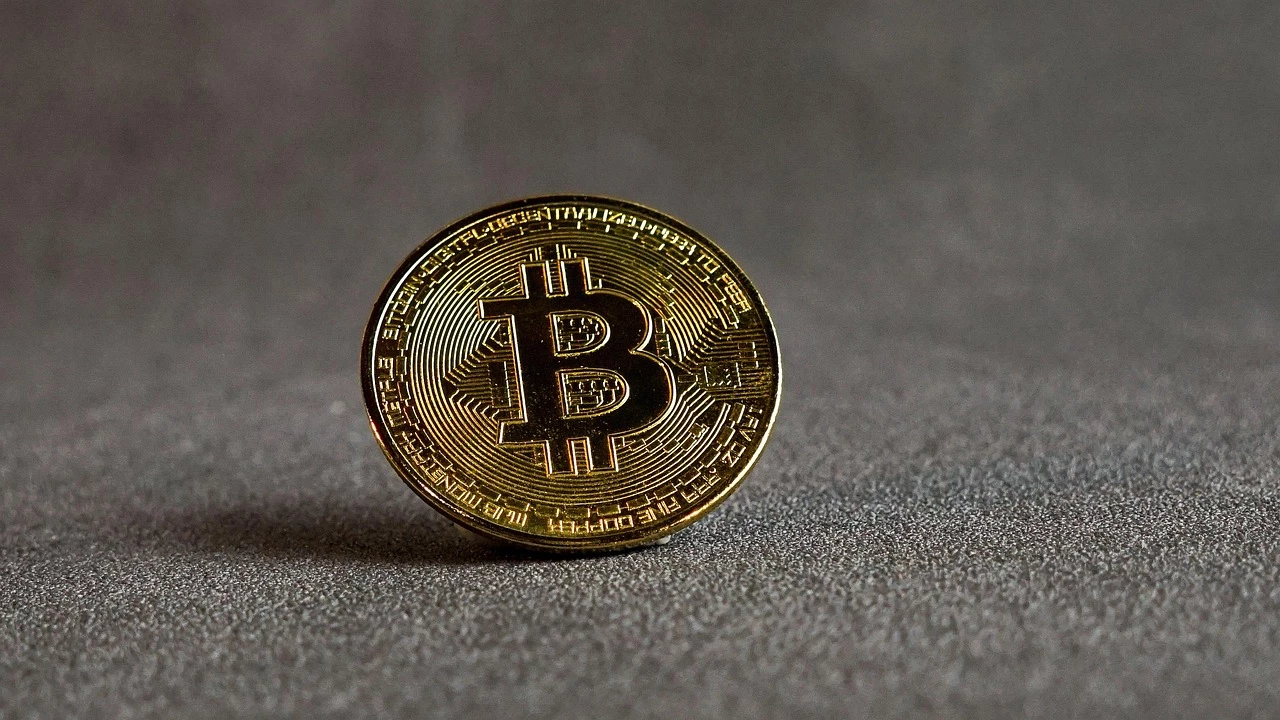
The Rising Influence of DeFi on Traditional Finance
This article covers KAU and related crypto trends with practical context. Decentralized Finance (DeFi) is revolutionizing traditional finance by offering innovative solutions and greater accessibility. This paradigm shift is attracting attention from investors and institutions who recognize the potential of blockchain technology to disrupt established financial systems.
As cryptocurrencies like Bitcoin and Ethereum gain popularity, DeFi platforms are emerging as viable alternatives to conventional banking services. With an emphasis on transparency, security, and efficiency, DeFi is reshaping the way we think about money and financial transactions.
Understanding DeFi: A Brief Overview
What is DeFi?
DeFi refers to a suite of financial applications built on blockchain networks that enable peer-to-peer transactions without intermediaries. By eliminating traditional banks and brokers, DeFi platforms facilitate lending, borrowing, and trading in a decentralized manner.
This innovative approach leverages smart contracts, which are self-executing contracts with the terms directly written into code, ensuring trustless transactions and reducing the need for third-party involvement.
Key Components of DeFi
The DeFi ecosystem comprises various components, including decentralized exchanges (DEXs), lending platforms, stablecoins, and yield farming protocols. Each of these plays a crucial role in enhancing liquidity and providing users with diverse financial options.
For example, DEXs allow users to trade cryptocurrencies directly with one another, while lending platforms enable users to earn interest on their assets or borrow against them without the need for a credit score.
The Impact of DeFi on Traditional Financial Systems
Increased Accessibility
One of the most significant advantages of DeFi is its ability to provide financial services to the unbanked and underbanked populations. With just an internet connection, individuals can access a wide range of financial products, breaking down barriers imposed by traditional banking systems.
This accessibility is particularly important in developing countries where banking infrastructure may be lacking, allowing people to participate in the global economy and take control of their financial futures.
Challenges for Traditional Finance
As DeFi continues to gain traction, traditional financial institutions are facing challenges in adapting to this new landscape. The rise of decentralized finance threatens their market share, prompting banks and investment firms to explore partnerships with blockchain projects or develop their own DeFi solutions.
Additionally, the transparency and efficiency of DeFi could expose inefficiencies in traditional finance, pushing institutions to innovate and improve their services to retain customers.
Investing in DeFi: Opportunities and Risks
Potential for High Returns
Investors are increasingly drawn to DeFi due to the potential for high returns compared to traditional investment vehicles. Yield farming and liquidity provision can offer substantial rewards, attracting a wave of new participants to the space.
However, it's essential to conduct thorough research and understand the risks involved, as the DeFi space is still relatively new and can be highly volatile.
Risks to Consider
While the opportunities in DeFi are enticing, there are also significant risks. Smart contract vulnerabilities, regulatory uncertainties, and market volatility can pose challenges for investors. It's crucial to approach DeFi with caution and only invest what you can afford to lose.
Moreover, as the space evolves, regulatory bodies are beginning to take notice, which could lead to increased oversight and potential restrictions that may impact DeFi operations.
The Future of DeFi
Integration with Traditional Finance
Looking ahead, the future of DeFi may see a greater integration with traditional financial systems. This hybrid model could offer the best of both worlds, combining the efficiency and accessibility of DeFi with the stability and regulatory oversight of traditional finance.
Such integration could involve banks adopting DeFi protocols or creating digital assets that align with DeFi principles, ultimately expanding the financial landscape for all participants.
Operating in The Rising Influence of DeFi on Traditional Finance benefits from early telemetry and automated dashboards. Transparency reduces rework and panic moves. When KAU shifts, context is already captured, so you can adjust calmly instead of reacting late. Most outcomes in The Rising Influence of DeFi on Traditional Finance come from repeatable systems. Define assumptions, risks, invalidation points, and a recheck cadence. This habit beats narratives. Use KAU as a lens, but let decisions follow current data, not hype. Focus on liquidity, counterparty risk, and execution quality in The Rising Influence of DeFi on Traditional Finance. Prefer clear fee schedules and avoid hidden slippage. When uncertainty rises, reduce position size and extend review intervals.
Builders who last in The Rising Influence of DeFi on Traditional Finance do unglamorous work. Document edge cases, measure latency, track fees and liquidity, and review error budgets. Discipline compounds faster than hot takes. Treat KAU as one variable in a wider model. Most outcomes in The Rising Influence of DeFi on Traditional Finance come from repeatable systems. Define assumptions, risks, invalidation points, and a recheck cadence. This habit beats narratives. Use KAU as a lens, but let decisions follow current data, not hype. Focus on liquidity, counterparty risk, and execution quality in The Rising Influence of DeFi on Traditional Finance. Prefer clear fee schedules and avoid hidden slippage. When uncertainty rises, reduce position size and extend review intervals.
Continued Innovation
As the DeFi ecosystem continues to evolve, we can expect ongoing innovation and the development of new financial products. Projects that prioritize user experience, security, and regulatory compliance will likely emerge as leaders in the space.
Investors should stay informed about these developments and consider how they can leverage DeFi to enhance their investment strategies and financial well-being.
Key Takeaways
- Document assumptions and invalidation.
- Automate logs and alert on anomalies.
- Security checks precede any deployment.
- Cut losers early, let winners work.