
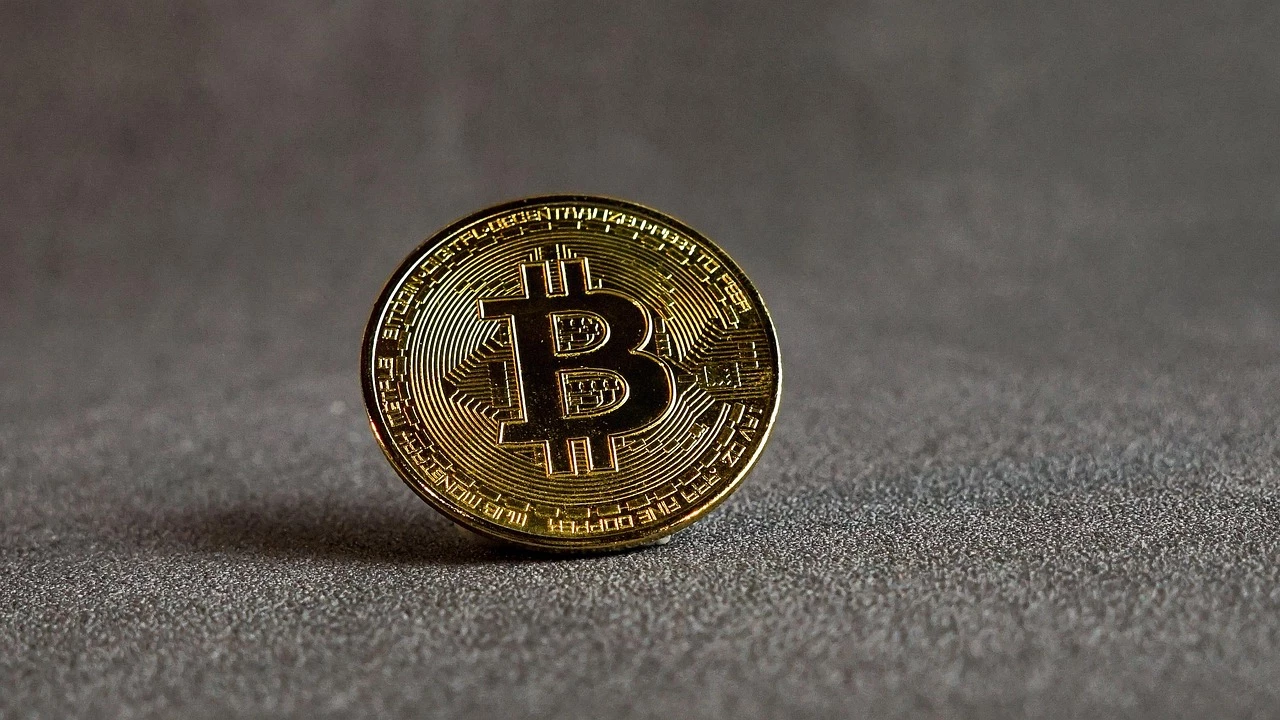
The Rise of Tokenized Assets in Crypto: Transforming Investment Landscapes
This article covers KULA and related crypto trends with practical context. Tokenized assets are revolutionizing the investment landscape, offering a unique way to own fractions of real-world assets through blockchain technology. As more investors seek innovative ways to diversify their portfolios, tokenization is emerging as a key player in the cryptocurrency ecosystem. With the ability to democratize access to high-value assets and improve liquidity, this trend is gaining traction among both institutional and retail investors.
This guide gives you a concise, actionable overview of the topic and why it matters now.
What Are Tokenized Assets?
Definition and Concept
Tokenized assets represent real-world assets that have been converted into digital tokens on a blockchain. This process allows for fractional ownership, meaning that investors can purchase a portion of an asset rather than the entire entity. Examples of tokenized assets include real estate, stocks, and commodities, all of which can now be traded on blockchain platforms.
Benefits of Tokenization
The primary benefits of tokenization include increased liquidity, transparency, and accessibility. Investors can buy and sell tokens representing assets at any time, reducing the barriers typically associated with traditional investments. Additionally, blockchain technology enhances transparency, as all transactions are recorded on a public ledger, making it easier to track ownership and verify authenticity.
The Impact of Tokenized Assets on Investment Strategies
Changing the Landscape for Investors
Tokenized assets are changing how investors approach their portfolios. By offering fractional ownership, investors can diversify more easily, spreading their capital across various asset classes. This democratization of investment opportunities enables individuals who may not have had the means to invest in high-value assets to participate in the market.
Institutional Adoption
Institutional investors are increasingly exploring tokenized assets as part of their investment strategies. The appeal lies in the potential for higher returns and the ability to invest in previously inaccessible markets. As more financial institutions embrace blockchain technology, the legitimacy of tokenized assets continues to grow, paving the way for wider acceptance.
Challenges and Considerations
Regulatory Landscape
Despite the benefits, the regulatory landscape surrounding tokenized assets remains uncertain. Different jurisdictions have varying rules regarding the classification and treatment of these digital tokens, which can complicate investment strategies. As regulations evolve, investors must stay informed to navigate potential legal hurdles.
Security Risks
While blockchain technology offers enhanced security, tokenized assets are not immune to risks. Cybersecurity threats and smart contract vulnerabilities can pose challenges for investors. It is crucial for participants in the market to conduct thorough due diligence and ensure that their investments are protected against potential breaches.
The Future of Tokenized Assets
Innovations on the Horizon
The future of tokenized assets looks promising, with ongoing innovations aimed at enhancing their functionality. From improved interoperability between different blockchains to advancements in smart contract technology, the potential for growth in this sector is immense. As these innovations unfold, they will likely attract more investors and broaden the scope of tokenization.
Most outcomes in The Rise of Tokenized Assets in Crypto: Transforming Investment Landscapes come from repeatable systems. Define assumptions, risks, invalidation points, and a recheck cadence. This habit beats narratives. Use KULA as a lens, but let decisions follow current data, not hype. Builders who last in The Rise of Tokenized Assets in Crypto: Transforming Investment Landscapes do unglamorous work. Document edge cases, measure latency, track fees and liquidity, and review error budgets. Discipline compounds faster than hot takes. Treat KULA as one variable in a wider model. Operating in The Rise of Tokenized Assets in Crypto: Transforming Investment Landscapes benefits from early telemetry and automated dashboards. Transparency reduces rework and panic moves. When KULA shifts, context is already captured, so you can adjust calmly instead of reacting late. Focus on liquidity, counterparty risk, and execution quality in The Rise of Tokenized Assets in Crypto: Transforming Investment Landscapes. Prefer clear fee schedules and avoid hidden slippage. When uncertainty rises, reduce position size and extend review intervals.
Builders who last in The Rise of Tokenized Assets in Crypto: Transforming Investment Landscapes do unglamorous work. Document edge cases, measure latency, track fees and liquidity, and review error budgets. Discipline compounds faster than hot takes. Treat KULA as one variable in a wider model. Focus on liquidity, counterparty risk, and execution quality in The Rise of Tokenized Assets in Crypto: Transforming Investment Landscapes. Prefer clear fee schedules and avoid hidden slippage. When uncertainty rises, reduce position size and extend review intervals. Most outcomes in The Rise of Tokenized Assets in Crypto: Transforming Investment Landscapes come from repeatable systems. Define assumptions, risks, invalidation points, and a recheck cadence. This habit beats narratives. Use KULA as a lens, but let decisions follow current data, not hype.
Global Trends
Across the globe, various regions are experimenting with tokenized assets, from real estate in Asia to art and collectibles in Europe. These trends highlight the versatility of tokenization and its ability to adapt to different markets. As awareness grows, we can expect to see even more diverse applications of tokenized assets in the future.
Key Takeaways
- Document assumptions and invalidation.
- Test changes on small capital first.
- Prefer liquid venues and clear fees.
- Automate logs and alert on anomalies.