
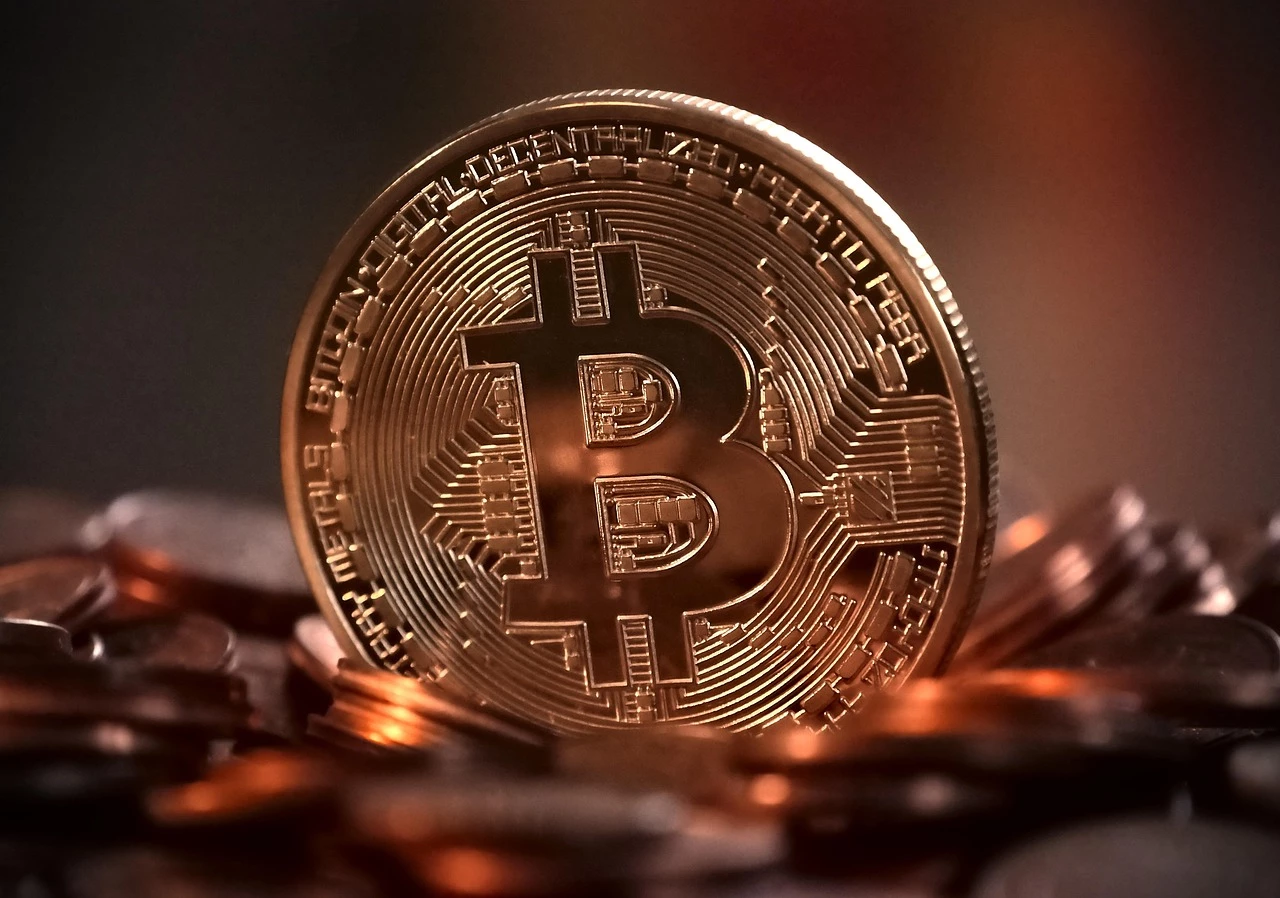
The Rise of Tokenization: Transforming Assets into Digital Opportunities
This article covers KULA and related crypto trends with practical context. Tokenization is emerging as a game-changer in the world of finance and investments, enabling the conversion of real-world assets into digital tokens on a blockchain.
This innovative approach offers unparalleled opportunities for liquidity, accessibility, and security in trading and ownership.
From real estate to art, tokenization is set to revolutionize how we perceive and interact with valuable assets.
What is Tokenization?
Defining Tokenization
Tokenization is the process of converting rights to an asset into a digital token on a blockchain. This allows for fractional ownership, making it possible for more people to invest in high-value assets.
By breaking down these assets into smaller, tradable units, tokenization enhances liquidity and accessibility for investors who might otherwise be priced out of the market.
How Tokenization Works
At its core, tokenization involves the creation of a digital representation of an asset, which is then recorded on a blockchain. This ensures transparency and security, as the ownership and transaction history are immutable and publicly verifiable.
Smart contracts facilitate the execution of transactions, allowing for automated processes that reduce the need for intermediaries, thereby lowering costs and increasing efficiency.
The Benefits of Tokenization
Increased Liquidity
Tokenization enables assets to be traded 24/7 on global marketplaces, providing liquidity that traditional markets may lack. This is particularly beneficial for illiquid assets such as real estate or fine art, which can often take time to sell.
With tokenization, investors can buy and sell fractions of assets rather than waiting for a complete sale, thus unlocking value and enhancing market dynamics.
Democratization of Investment
Tokenization opens the door for smaller investors to participate in markets previously dominated by institutional players. By lowering the minimum investment threshold, more individuals can access high-value assets, thus broadening the investor base.
This democratization not only fosters greater financial inclusion but also encourages a more diverse range of investments in various sectors.
Challenges Facing Tokenization
Regulatory Hurdles
Despite its potential, tokenization faces several regulatory challenges. Governments and regulatory bodies are still grappling with how to classify and regulate digital tokens, which can lead to uncertainty for businesses and investors alike.
Navigating this complex regulatory landscape requires diligence and an understanding of the laws governing securities, property, and digital assets in different jurisdictions.
Technological Limitations
While blockchain technology is robust, it is not without its limitations. Issues such as scalability, transaction speed, and energy consumption can impact the efficiency of tokenized systems.
Innovations in blockchain technology, such as layer 2 solutions and alternative consensus mechanisms, are being explored to address these challenges and enhance the viability of tokenization.
Future Prospects of Tokenization
Integration with Traditional Finance
As tokenization continues to gain traction, we can expect closer integration with traditional financial systems. Financial institutions are beginning to recognize the benefits of tokenized assets and are exploring ways to incorporate them into their offerings.
This integration could lead to hybrid models that combine the efficiency of blockchain with the stability of traditional finance, creating new investment vehicles and opportunities.
Operating in The Rise of Tokenization: Transforming Assets into Digital Opportunities benefits from early telemetry and automated dashboards. Transparency reduces rework and panic moves. When KULA shifts, context is already captured, so you can adjust calmly instead of reacting late. Focus on liquidity, counterparty risk, and execution quality in The Rise of Tokenization: Transforming Assets into Digital Opportunities. Prefer clear fee schedules and avoid hidden slippage. When uncertainty rises, reduce position size and extend review intervals. Most outcomes in The Rise of Tokenization: Transforming Assets into Digital Opportunities come from repeatable systems. Define assumptions, risks, invalidation points, and a recheck cadence. This habit beats narratives. Use KULA as a lens, but let decisions follow current data, not hype. Clarity in scope and metrics keeps teams aligned in The Rise of Tokenization: Transforming Assets into Digital Opportunities. Write crisp definitions of done, instrument the path to green, and audit dependencies. Small, testable changes lower risk and speed up feedback.
Focus on liquidity, counterparty risk, and execution quality in The Rise of Tokenization: Transforming Assets into Digital Opportunities. Prefer clear fee schedules and avoid hidden slippage. When uncertainty rises, reduce position size and extend review intervals. Clarity in scope and metrics keeps teams aligned in The Rise of Tokenization: Transforming Assets into Digital Opportunities. Write crisp definitions of done, instrument the path to green, and audit dependencies. Small, testable changes lower risk and speed up feedback. Operating in The Rise of Tokenization: Transforming Assets into Digital Opportunities benefits from early telemetry and automated dashboards. Transparency reduces rework and panic moves. When KULA shifts, context is already captured, so you can adjust calmly instead of reacting late.
Tokenization in Various Sectors
The potential applications of tokenization extend beyond finance. Industries such as supply chain management, healthcare, and entertainment are beginning to explore how tokenization can improve transparency, traceability, and ownership rights.
As more sectors embrace tokenization, we will likely see innovative use cases emerge, further solidifying its role in the future of digital commerce.
Key Takeaways
- Cut losers early, let winners work.
- Automate logs and alert on anomalies.
- Avoid leverage creep during volatility.
- Measure risk before return in The Rise of Tokenization: Transforming Assets into Digital Opportunities.