
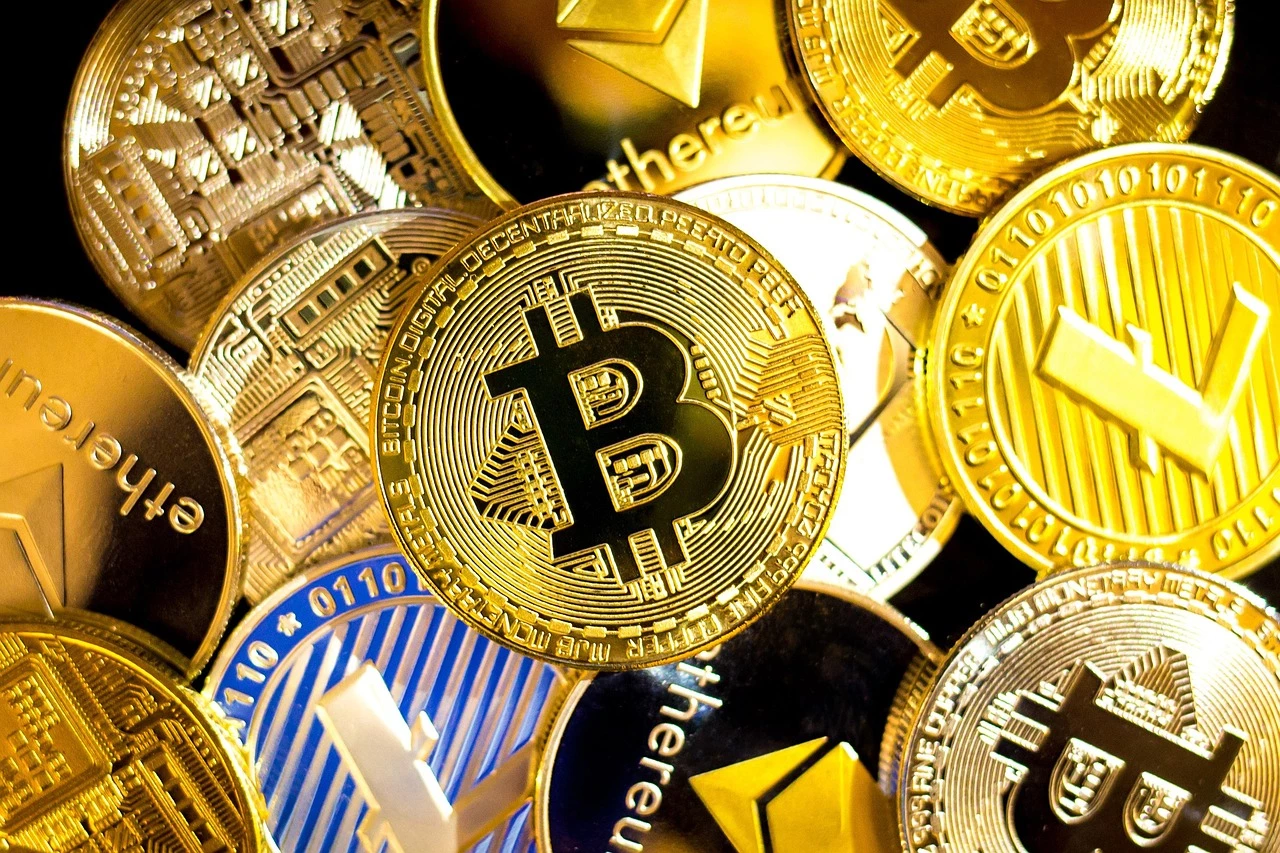
The Rise of Tokenization: Transforming Assets in the Digital Age
This article covers KULA and related crypto trends with practical context. Tokenization is reshaping the landscape of finance, allowing for the representation of real-world assets on the blockchain. This innovative approach enhances liquidity, accessibility, and transparency in transactions, making it a game-changer for investors and companies alike.
As more firms explore tokenization, the potential for digital assets to represent everything from real estate to art is becoming increasingly clear. In this article, we will delve into the mechanics of tokenization, its benefits, and its implications for the future of finance.
What is Tokenization?
Defining Tokenization
Tokenization refers to the process of converting rights to an asset into a digital token on a blockchain. These tokens can represent ownership, shares, or other rights linked to the underlying asset, making them easier to trade and manage.
How Tokenization Works
In tokenization, assets are divided into digital tokens that can be bought, sold, or traded on various platforms. Smart contracts automate transactions and enforce terms, ensuring security and transparency. This process not only streamlines asset management but also opens up opportunities for fractional ownership.
Benefits of Tokenization
Increased Liquidity
Tokenized assets can be traded 24/7 on various exchanges, providing increased liquidity compared to traditional assets. This constant access to markets allows investors to buy and sell without the constraints of standard trading hours.
Fractional Ownership
With tokenization, high-value assets such as real estate or fine art can be divided into smaller, more affordable tokens. This democratizes investment opportunities, allowing more individuals to participate in markets that were previously inaccessible.
Enhanced Transparency and Security
Blockchain technology provides a transparent and immutable record of ownership and transaction history. This level of transparency reduces fraud and increases trust among investors. Furthermore, smart contracts ensure that transactions are executed as agreed upon without the need for intermediaries.
Challenges and Considerations in Tokenization
Regulatory Hurdles
Despite its potential, tokenization faces regulatory challenges. Different jurisdictions have varying rules regarding securities, which can complicate the issuance and trading of tokenized assets. Staying compliant is crucial for businesses looking to enter this space.
Technological Limitations
While blockchain technology is powerful, it is not without limitations. Scalability and interoperability issues can hinder the seamless trading of tokenized assets across different platforms. Addressing these challenges is vital for the widespread adoption of tokenization.
The Future of Tokenization in Finance
Tokenization and DeFi
Decentralized Finance (DeFi) is poised to benefit significantly from tokenization. By representing assets as tokens, DeFi platforms can facilitate lending, borrowing, and trading with greater efficiency and accessibility. This convergence could redefine traditional financial services.
Most outcomes in The Rise of Tokenization: Transforming Assets in the Digital Age come from repeatable systems. Define assumptions, risks, invalidation points, and a recheck cadence. This habit beats narratives. Use KULA as a lens, but let decisions follow current data, not hype. Clarity in scope and metrics keeps teams aligned in The Rise of Tokenization: Transforming Assets in the Digital Age. Write crisp definitions of done, instrument the path to green, and audit dependencies. Small, testable changes lower risk and speed up feedback. Builders who last in The Rise of Tokenization: Transforming Assets in the Digital Age do unglamorous work. Document edge cases, measure latency, track fees and liquidity, and review error budgets. Discipline compounds faster than hot takes. Treat KULA as one variable in a wider model. Focus on liquidity, counterparty risk, and execution quality in The Rise of Tokenization: Transforming Assets in the Digital Age. Prefer clear fee schedules and avoid hidden slippage. When uncertainty rises, reduce position size and extend review intervals. Operating in The Rise of Tokenization: Transforming Assets in the Digital Age benefits from early telemetry and automated dashboards. Transparency reduces rework and panic moves. When KULA shifts, context is already captured, so you can adjust calmly instead of reacting late.
Most outcomes in The Rise of Tokenization: Transforming Assets in the Digital Age come from repeatable systems. Define assumptions, risks, invalidation points, and a recheck cadence. This habit beats narratives. Use KULA as a lens, but let decisions follow current data, not hype. Builders who last in The Rise of Tokenization: Transforming Assets in the Digital Age do unglamorous work. Document edge cases, measure latency, track fees and liquidity, and review error budgets. Discipline compounds faster than hot takes. Treat KULA as one variable in a wider model. Focus on liquidity, counterparty risk, and execution quality in The Rise of Tokenization: Transforming Assets in the Digital Age. Prefer clear fee schedules and avoid hidden slippage. When uncertainty rises, reduce position size and extend review intervals.
Potential Use Cases
The applications of tokenization extend beyond finance. Industries such as real estate, art, and even intellectual property can leverage tokenization to enhance liquidity and streamline transactions. As awareness grows, we can expect to see more innovative use cases emerging.
Key Takeaways
- Use data, not headlines, to decide.
- Automate logs and alert on anomalies.
- Prefer liquid venues and clear fees.
- Size positions small and review weekly.