
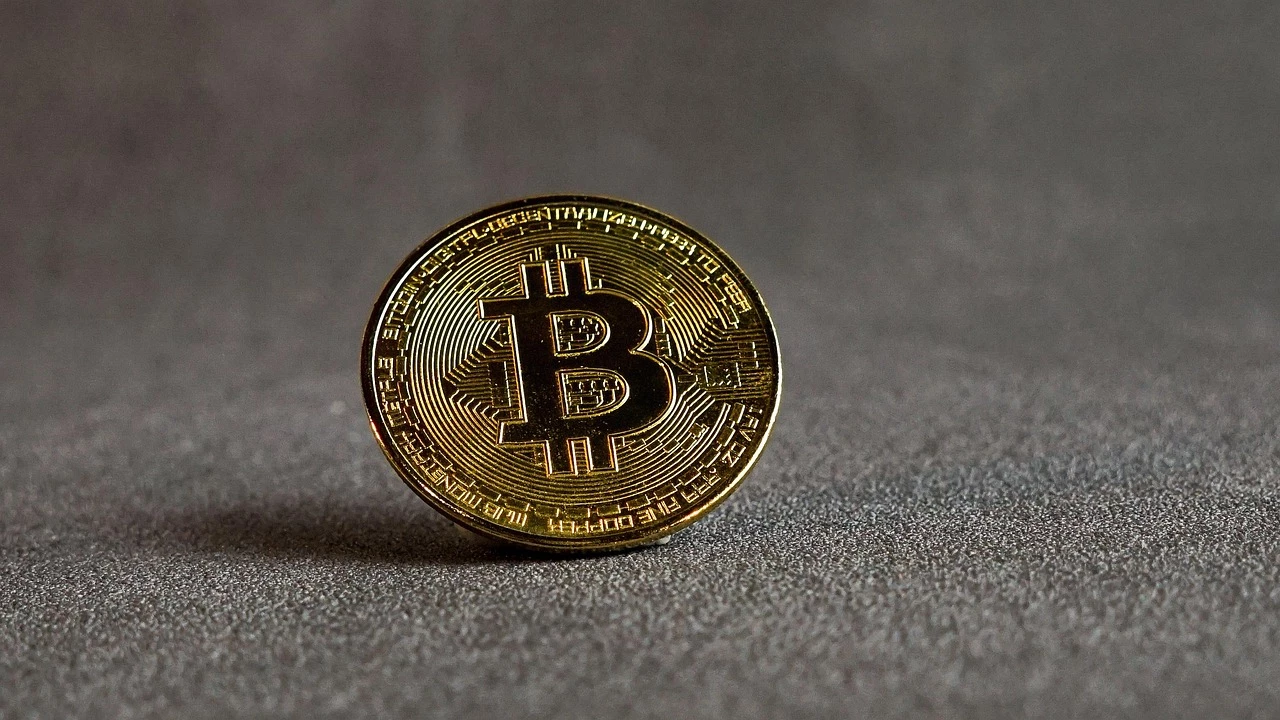
The Rise of Tokenization: Transforming Assets in the Digital Age
This article covers KULA and related crypto trends with practical context. Tokenization is gaining momentum in the cryptocurrency world, transforming traditional assets into digital tokens. By leveraging blockchain technology, tokenization simplifies ownership and provides unparalleled access to various markets.
As the demand for digital assets grows, more industries are exploring the benefits of tokenization. This trend is not just a passing phase; it's becoming a cornerstone of the financial ecosystem. With major players like BlackRock and Goldman Sachs entering the space, the implications are profound.
What is Tokenization?
Defining Tokenization
Tokenization refers to the process of converting rights to an asset into a digital token on a blockchain. These tokens can represent real-world assets such as real estate, stocks, art, and even intellectual property. By using blockchain technology, tokenization ensures transparency, security, and traceability of ownership.
This innovative approach not only streamlines transactions but also democratizes access to investment opportunities, allowing smaller investors to participate in markets that were once reserved for the wealthy.
The Benefits of Tokenization
Tokenization offers several advantages. Firstly, it enhances liquidity by enabling fractional ownership, allowing investors to buy and sell portions of assets. This is particularly beneficial in markets that typically require significant capital to enter, such as real estate.
Secondly, the use of smart contracts automates processes, reducing the need for intermediaries and lowering transaction costs. This efficiency can lead to faster settlement times and improved overall market dynamics.
Current Trends in Tokenization
Institutional Adoption
Institutional players are increasingly recognizing the potential of tokenization. Companies like BlackRock and Goldman Sachs are not just observers; they are actively participating in projects that leverage this technology. Their involvement signals a shift in how traditional finance views digital assets.
With significant investments and partnerships emerging, the landscape is evolving rapidly. This institutional push could lead to wider acceptance of tokenized assets in mainstream finance.
Regulatory Landscape
As tokenization gains traction, regulatory bodies are beginning to take notice. The need for clear guidelines is paramount to ensure investor protection while fostering innovation. Different jurisdictions are exploring frameworks that accommodate the unique nature of digital assets.
Navigating this regulatory environment will be crucial for companies looking to launch tokenized offerings, as compliance will play a key role in their success.
Challenges Facing Tokenization
Technological Hurdles
While tokenization presents numerous opportunities, it is not without its challenges. The underlying technology must be robust and secure to prevent hacks and fraud. Additionally, interoperability between different blockchains remains a significant hurdle that needs to be addressed for tokenized assets to achieve their full potential.
Furthermore, the integration of tokenized assets into existing financial systems requires careful planning and execution to avoid disruptions.
Market Volatility
The cryptocurrency market is known for its volatility, and tokenized assets are no exception. Investors must be aware of the risks associated with price fluctuations, which can affect the perceived value of their holdings. Education and risk management strategies will be essential as this market matures.
The Future of Tokenization
Innovative Use Cases
The future of tokenization is bright, with numerous innovative use cases on the horizon. From tokenized art and collectibles to real estate and beyond, the possibilities are vast. As technology evolves, we can expect to see new applications that further enhance the utility of tokenized assets.
Moreover, as more individuals and businesses adopt this technology, the ecosystem will continue to expand, creating new opportunities for growth and investment.
Builders who last in The Rise of Tokenization: Transforming Assets in the Digital Age do unglamorous work. Document edge cases, measure latency, track fees and liquidity, and review error budgets. Discipline compounds faster than hot takes. Treat KULA as one variable in a wider model. Clarity in scope and metrics keeps teams aligned in The Rise of Tokenization: Transforming Assets in the Digital Age. Write crisp definitions of done, instrument the path to green, and audit dependencies. Small, testable changes lower risk and speed up feedback. Operating in The Rise of Tokenization: Transforming Assets in the Digital Age benefits from early telemetry and automated dashboards. Transparency reduces rework and panic moves. When KULA shifts, context is already captured, so you can adjust calmly instead of reacting late.
Most outcomes in The Rise of Tokenization: Transforming Assets in the Digital Age come from repeatable systems. Define assumptions, risks, invalidation points, and a recheck cadence. This habit beats narratives. Use KULA as a lens, but let decisions follow current data, not hype. Builders who last in The Rise of Tokenization: Transforming Assets in the Digital Age do unglamorous work. Document edge cases, measure latency, track fees and liquidity, and review error budgets. Discipline compounds faster than hot takes. Treat KULA as one variable in a wider model. Focus on liquidity, counterparty risk, and execution quality in The Rise of Tokenization: Transforming Assets in the Digital Age. Prefer clear fee schedules and avoid hidden slippage. When uncertainty rises, reduce position size and extend review intervals.
Conclusion: Embracing the Change
Tokenization is not just a trend; it represents a fundamental shift in how we think about ownership and investment. As the landscape continues to evolve, staying informed and adaptable will be crucial for participants in this space. By embracing the changes brought about by tokenization, investors and institutions alike can position themselves for success in the digital age.
Key Takeaways
- Cut losers early, let winners work.
- Use data, not headlines, to decide.
- Measure risk before return in The Rise of Tokenization: Transforming Assets in the Digital Age.
- Test changes on small capital first.