
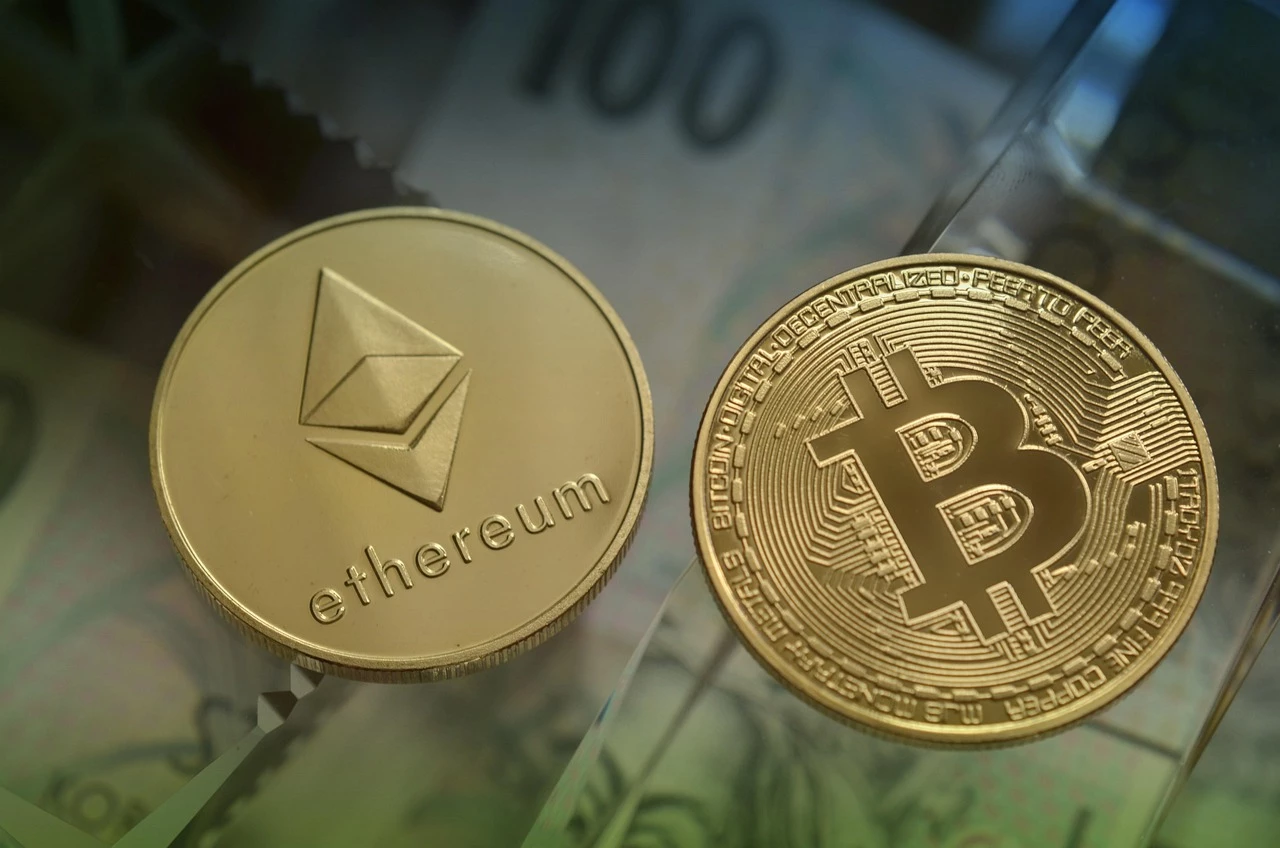
The Rise of Tokenization: Revolutionizing Assets in the Digital Age
This article covers KULA and related crypto trends with practical context. In the rapidly evolving landscape of cryptocurrency and blockchain technology, tokenization stands out as a transformative force. By converting physical and digital assets into tokens on a blockchain, this innovation is redefining ownership and investment strategies. Tokenization has implications that stretch across various industries, including real estate, art, and finance, making it a crucial topic for anyone interested in the future of digital assets.
As traditional assets become increasingly digitized, understanding tokenization is essential for investors, businesses, and regulators alike. This article delves into what tokenization means, its benefits, challenges, and how it fits into the broader crypto ecosystem.
What is Tokenization?
Defining Tokenization
Tokenization refers to the process of converting rights to an asset into a digital token on a blockchain. This process allows for fractional ownership, increased liquidity, and easier transferability. Assets can range from real estate to art pieces, and even equities. In essence, tokenization creates a digital representation of an asset that can be easily bought, sold, and traded in a decentralized manner.
How Tokenization Works
At its core, tokenization leverages blockchain technology to create a secure and transparent ledger. Each token represents a share or a right to an underlying asset, ensuring that ownership records are immutable. For instance, if a building worth $1 million is tokenized into 1,000 tokens, each token represents a fractional ownership of $1,000. This model not only democratizes access to investments but also enhances liquidity by allowing assets to be traded on secondary markets.
Benefits of Tokenization
Increased Liquidity
One of the most significant advantages of tokenization is the enhanced liquidity it offers. Traditional assets often face challenges when it comes to buying or selling due to lengthy processes and high transaction costs. Tokenized assets can be traded 24/7 on various platforms, providing quicker access to cash and opening up investment opportunities to a broader audience.
Fractional Ownership
Tokenization allows for fractional ownership, meaning individuals can invest in high-value assets with smaller amounts of capital. This opens the door for more investors to participate in markets previously deemed inaccessible, such as luxury real estate or rare art collections. By owning a fraction of an asset, investors can diversify their portfolios without requiring substantial capital.
Global Accessibility
Tokenized assets can be accessed from anywhere in the world, breaking down geographical barriers. This global reach allows investors from different countries to participate in various markets, thus enhancing market efficiency and creating a more inclusive financial ecosystem.
Challenges in Tokenization
Regulatory Hurdles
Despite its potential, tokenization faces significant regulatory challenges. Different jurisdictions have varying laws governing asset ownership and trading, which can complicate the tokenization process. Ensuring compliance with securities regulations and anti-money laundering laws is crucial for firms looking to tokenize assets.
Technological Barriers
The technology behind tokenization is still maturing. Issues such as smart contract vulnerabilities, lack of interoperability between different blockchains, and security concerns can hinder the growth of tokenization. As the technology evolves, these challenges may be addressed, but they currently present obstacles for widespread adoption.
Real-World Applications of Tokenization
Real Estate Tokenization
Real estate tokenization is one of the most promising applications of this technology. By converting properties into tokens, investors can purchase shares in real estate projects without the burdens of traditional ownership. This model not only provides liquidity but also attracts a diverse pool of investors, increasing funding opportunities for developers.
Art and Collectibles
Tokenization is also making waves in the art world. Artists and collectors can tokenize artworks, allowing for fractional ownership and making high-value pieces accessible to a broader audience. This not only democratizes art investment but also ensures that artists receive royalties each time their tokenized art changes hands.
The Future of Tokenization
Emerging Trends
As the technology and regulatory landscape evolves, several trends are emerging in the tokenization space. The rise of decentralized finance (DeFi) is paving the way for new models of liquidity and trading for tokenized assets. Additionally, partnerships between traditional financial institutions and blockchain companies are likely to accelerate the adoption of tokenization across various sectors.
Builders who last in The Rise of Tokenization: Revolutionizing Assets in the Digital Age do unglamorous work. Document edge cases, measure latency, track fees and liquidity, and review error budgets. Discipline compounds faster than hot takes. Treat KULA as one variable in a wider model. Most outcomes in The Rise of Tokenization: Revolutionizing Assets in the Digital Age come from repeatable systems. Define assumptions, risks, invalidation points, and a recheck cadence. This habit beats narratives. Use KULA as a lens, but let decisions follow current data, not hype. Focus on liquidity, counterparty risk, and execution quality in The Rise of Tokenization: Revolutionizing Assets in the Digital Age. Prefer clear fee schedules and avoid hidden slippage. When uncertainty rises, reduce position size and extend review intervals.
Conclusion
Tokenization is poised to revolutionize how we think about ownership and investment. By breaking down traditional barriers and enabling fractional ownership, it opens up new opportunities for investors and creators alike. As the landscape continues to evolve, staying informed about tokenization's implications will be crucial for navigating the future of digital assets.
Key Takeaways
- Prefer liquid venues and clear fees.
- Size positions small and review weekly.
- Use data, not headlines, to decide.
- Security checks precede any deployment.