
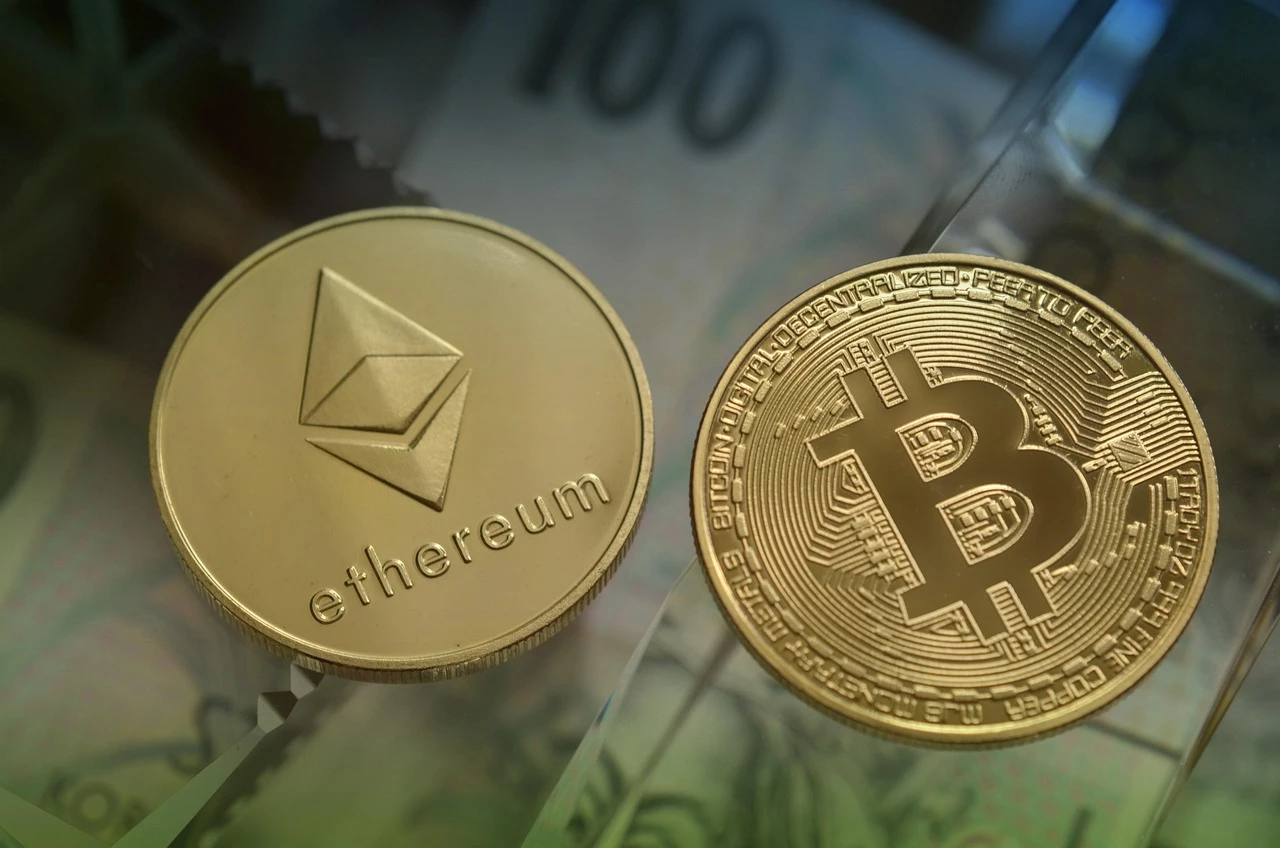
The Rise of Tokenization in Finance: Transforming Assets and Investment
This article covers KULA and related crypto trends with practical context. Tokenization is revolutionizing the financial landscape, offering innovative ways to invest and manage assets. This technology converts physical and digital assets into tokenized versions, making them easily tradable on blockchain platforms. As traditional finance grapples with the implications of this shift, understanding tokenization's role is crucial for investors and institutions alike.
This guide gives you a concise, actionable overview of the topic and why it matters now.
What is Tokenization?
Defining Tokenization
Tokenization refers to the process of converting ownership rights in an asset into a digital token that resides on a blockchain. This can apply to various assets, including real estate, stocks, and even art. By representing these assets digitally, tokenization enhances liquidity and enables fractional ownership, allowing more people to invest in high-value items that were previously inaccessible.
How Tokenization Works
In tokenization, assets are represented as tokens through smart contracts on a blockchain. These smart contracts define the terms of ownership and transferability. For instance, if a piece of real estate is tokenized, each token could represent a fraction of the property, allowing multiple investors to own a share. This system reduces the friction typically associated with asset transfers and opens up investment opportunities across borders.
The Benefits of Tokenization
Increased Liquidity
One of the most significant advantages of tokenization is increased liquidity. Traditional assets, like real estate, often take a long time to sell due to various barriers. Tokenization allows these assets to be traded on blockchain exchanges, facilitating quicker transactions and enabling investors to buy and sell their shares more efficiently.
Fractional Ownership
Tokenization also allows for fractional ownership, enabling smaller investors to participate in markets that were once dominated by wealthy individuals or institutions. For example, through tokenization, a $1 million piece of art could be divided into 1,000 tokens worth $1,000 each, making it affordable for a broader audience. This democratization of investment opens new avenues for wealth generation.
Real-World Applications of Tokenization
Real Estate
In the real estate sector, companies are using tokenization to simplify the process of buying, selling, and managing properties. By issuing tokens representing shares of a property, investors can trade these tokens without the traditional hassles of property management, making real estate investment more accessible and efficient.
Art and Collectibles
Tokenization is also transforming the art world. Artists can tokenize their work, allowing collectors to purchase fractions of a piece rather than the entire artwork. This not only makes art investment more attainable but also provides artists with immediate liquidity.
Challenges Facing Tokenization
Regulatory Hurdles
Despite its advantages, tokenization faces regulatory challenges. Different countries have varying regulations regarding the issuance and trading of tokens. Navigating these regulations can be complex for companies looking to tokenize assets, potentially hindering growth and adoption.
Market Volatility
The crypto market is known for its volatility, which can impact the value of tokenized assets. Investors must be aware that while tokenization offers new opportunities, it also comes with risks associated with market fluctuations and the underlying assets' performance.
The Future of Tokenization
Potential for Growth
As technology evolves and regulatory frameworks become clearer, the tokenization market is poised for significant growth. Financial institutions are beginning to recognize the benefits, and we may see more traditional assets being tokenized in the coming years. This trend could reshape investment landscapes and enhance financial inclusion globally.
Most outcomes in The Rise of Tokenization in Finance: Transforming Assets and Investment come from repeatable systems. Define assumptions, risks, invalidation points, and a recheck cadence. This habit beats narratives. Use KULA as a lens, but let decisions follow current data, not hype. Operating in The Rise of Tokenization in Finance: Transforming Assets and Investment benefits from early telemetry and automated dashboards. Transparency reduces rework and panic moves. When KULA shifts, context is already captured, so you can adjust calmly instead of reacting late. Focus on liquidity, counterparty risk, and execution quality in The Rise of Tokenization in Finance: Transforming Assets and Investment. Prefer clear fee schedules and avoid hidden slippage. When uncertainty rises, reduce position size and extend review intervals.
Operating in The Rise of Tokenization in Finance: Transforming Assets and Investment benefits from early telemetry and automated dashboards. Transparency reduces rework and panic moves. When KULA shifts, context is already captured, so you can adjust calmly instead of reacting late. Builders who last in The Rise of Tokenization in Finance: Transforming Assets and Investment do unglamorous work. Document edge cases, measure latency, track fees and liquidity, and review error budgets. Discipline compounds faster than hot takes. Treat KULA as one variable in a wider model. Focus on liquidity, counterparty risk, and execution quality in The Rise of Tokenization in Finance: Transforming Assets and Investment. Prefer clear fee schedules and avoid hidden slippage. When uncertainty rises, reduce position size and extend review intervals.
Integration with DeFi
Tokenization is also expected to integrate closely with decentralized finance (DeFi). By allowing tokenized assets to be used in DeFi protocols, investors can leverage their holdings for lending, borrowing, and earning interest, further enhancing the utility of tokenized assets.
Key Takeaways
- Use data, not headlines, to decide.
- Test changes on small capital first.
- Size positions small and review weekly.
- Prefer liquid venues and clear fees.