
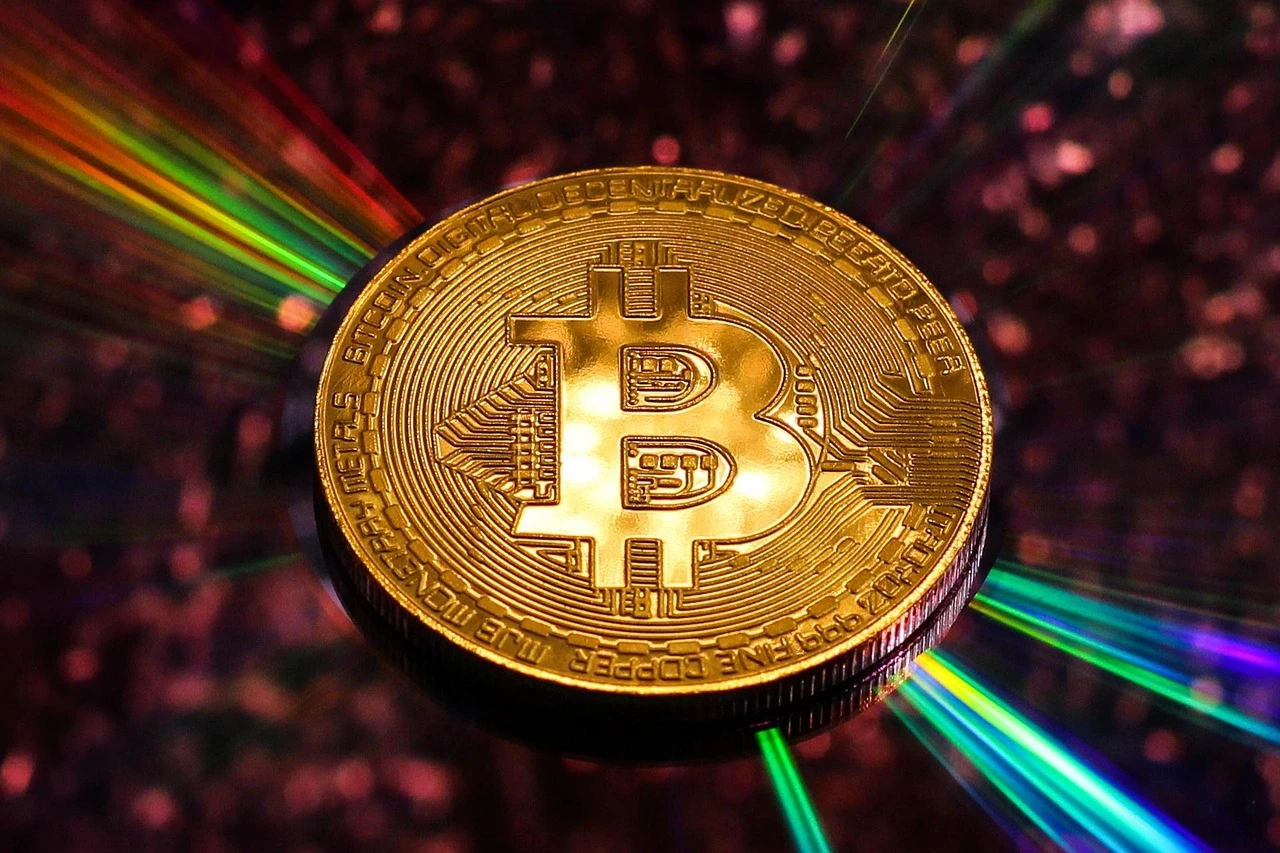
The Rise of Tokenization in Crypto: Opportunities and Challenges
This article covers KULA and related crypto trends with practical context. Tokenization is rapidly transforming the cryptocurrency landscape, offering innovative solutions across various sectors. By converting real-world assets into digital tokens, tokenization enhances liquidity, accessibility, and security. This article dives into the opportunities and challenges presented by tokenization in the crypto space, highlighting its potential to reshape industries such as finance, real estate, and art.
This guide gives you a concise, actionable overview of the topic and why it matters now.
What is Tokenization?
Defining Tokenization
Tokenization refers to the process of converting ownership rights in a real-world asset into digital tokens on a blockchain. These tokens can represent anything from real estate to stocks, enabling fractional ownership and easier transferability. By utilizing blockchain technology, tokenization enhances transparency and security, making it an attractive option for various industries.
How Tokenization Works
The tokenization process involves creating a digital representation of an asset on a blockchain. This digital token is then linked to the asset's value and ownership rights. Smart contracts play a crucial role in this process, automating transactions and ensuring compliance with regulations. As a result, tokenized assets can be traded on decentralized exchanges, increasing liquidity and accessibility for investors.
Opportunities Presented by Tokenization
Increased Liquidity
One of the most significant benefits of tokenization is increased liquidity. By allowing fractional ownership, tokenized assets can attract a broader range of investors, enabling them to buy and sell shares more easily. This is particularly advantageous for traditionally illiquid assets, such as real estate or fine art, as it opens up new markets and investment opportunities.
Global Accessibility
Tokenization breaks down geographical barriers, allowing investors from anywhere in the world to participate in asset ownership. This democratization of investment opportunities is vital for fostering financial inclusion, enabling individuals who may have previously been excluded from certain markets to invest in diverse asset classes.
Enhanced Security and Transparency
Blockchain technology provides a secure and transparent platform for tokenized assets. Each transaction is recorded on the blockchain, creating an immutable record that can be audited by anyone. This transparency builds trust among investors and reduces the risks associated with fraud and manipulation, which are prevalent in traditional asset markets.
Challenges Facing Tokenization
Regulatory Hurdles
Despite its potential, tokenization faces significant regulatory challenges. Different jurisdictions have varying laws regarding asset ownership and securities, making it difficult for companies to navigate compliance. As regulators develop frameworks for tokenized assets, businesses must adapt to these evolving regulations to ensure legal compliance and protect investors.
Technical Limitations
Tokenization relies heavily on blockchain technology, which is still in its early stages of development. Issues such as scalability, interoperability, and transaction speeds can hinder the widespread adoption of tokenized assets. Addressing these technical limitations is crucial for the future growth of tokenization in the crypto space.
Market Education
For tokenization to achieve its full potential, market participants need to be educated about its benefits and risks. Many investors are still unfamiliar with the concept, leading to skepticism and reluctance to engage with tokenized assets. Increasing awareness and understanding of tokenization will be essential for driving adoption and fostering a more robust market.
Real-World Examples of Tokenization
Real Estate Tokenization
Real estate tokenization has gained traction in recent years, with companies offering fractional ownership of properties through digital tokens. This approach allows investors to access lucrative real estate markets without needing significant capital upfront. Additionally, it enables property owners to raise funds by selling tokens representing a share in their assets.
Art and Collectibles
The art market is another sector ripe for tokenization. By creating digital tokens representing ownership of artworks, artists and collectors can benefit from increased liquidity and broader market access. Tokenization also enables new forms of collaboration, such as shared ownership of high-value pieces, making art investment more accessible to a wider audience.
Future Prospects of Tokenization
Integration with DeFi
The integration of tokenization with decentralized finance (DeFi) platforms presents exciting opportunities for innovation. Tokenized assets can be used as collateral for loans, enabling investors to access liquidity without selling their holdings. This synergy between tokenization and DeFi could revolutionize how individuals manage their assets and investments.
Builders who last in The Rise of Tokenization in Crypto: Opportunities and Challenges do unglamorous work. Document edge cases, measure latency, track fees and liquidity, and review error budgets. Discipline compounds faster than hot takes. Treat KULA as one variable in a wider model. Operating in The Rise of Tokenization in Crypto: Opportunities and Challenges benefits from early telemetry and automated dashboards. Transparency reduces rework and panic moves. When KULA shifts, context is already captured, so you can adjust calmly instead of reacting late. Clarity in scope and metrics keeps teams aligned in The Rise of Tokenization in Crypto: Opportunities and Challenges. Write crisp definitions of done, instrument the path to green, and audit dependencies. Small, testable changes lower risk and speed up feedback.
Potential for New Business Models
Tokenization is likely to give rise to new business models across various industries. Companies may explore innovative ways to monetize their assets through tokenization, creating additional revenue streams and enhancing customer engagement. As the market evolves, we can expect to see a wave of creativity driven by the possibilities of tokenized assets.
Key Takeaways
- Prefer liquid venues and clear fees.
- Document assumptions and invalidation.
- Security checks precede any deployment.
- Test changes on small capital first.