
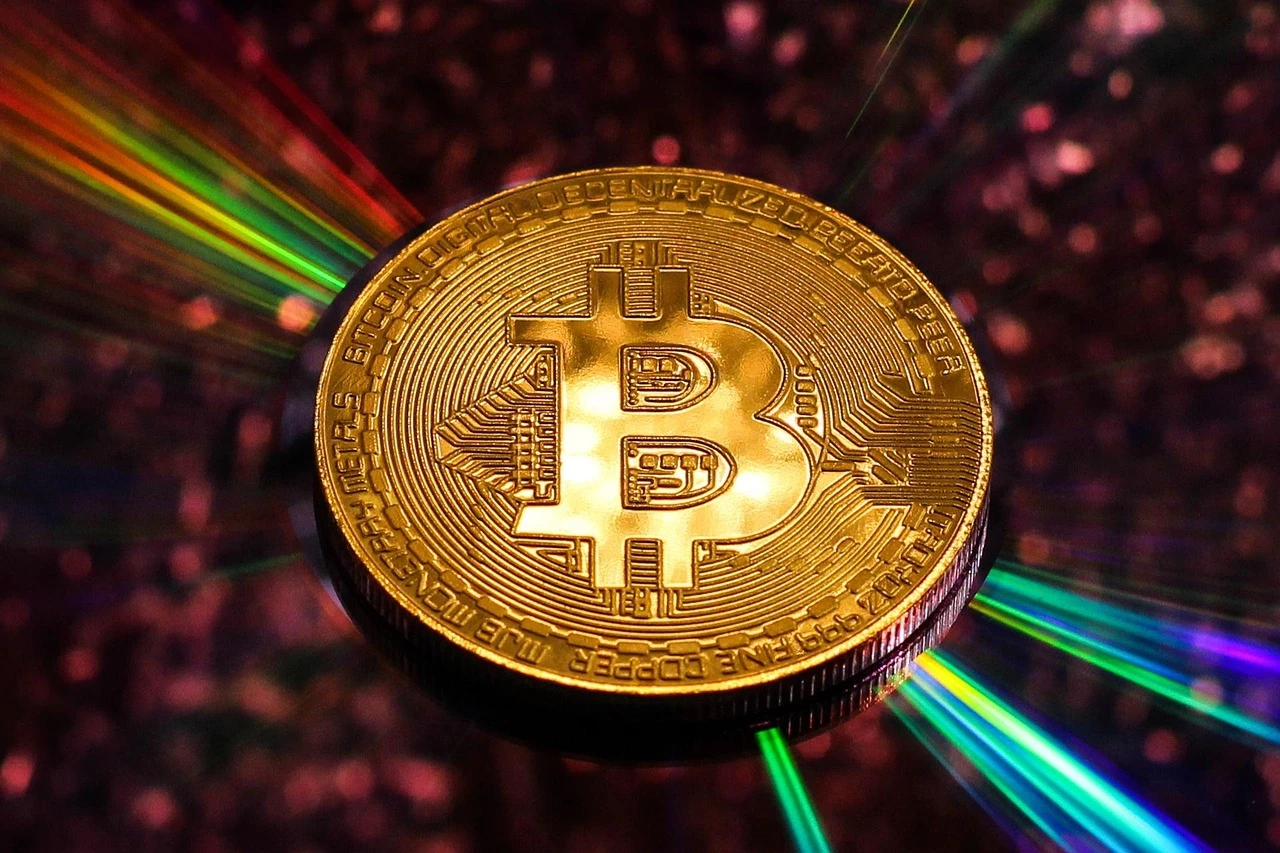
The Rise of Tokenization: How Digital Assets are Reshaping Finance
This article covers KULA and related crypto trends with practical context. Tokenization is rapidly becoming a cornerstone of the digital asset revolution. By converting physical or traditional assets into digital tokens on a blockchain, businesses and investors can unlock new efficiencies and opportunities.
This innovative approach is reshaping finance, making investments more accessible, and streamlining transaction processes. As the trend gains momentum, understanding tokenization's implications is crucial for anyone involved in finance or technology.
What is Tokenization?
Defining Tokenization
Tokenization refers to the process of converting rights to an asset into a digital token on a blockchain. This can apply to real estate, art, stocks, or even intellectual property. By representing these assets digitally, tokenization enhances liquidity and enables fractional ownership, allowing more investors to participate in markets previously deemed exclusive.
The Mechanics of Tokenization
At its core, tokenization involves creating a digital token that represents ownership or a claim on an underlying asset. These tokens can be traded or transferred on blockchain platforms, which ensures transparency and security. With smart contracts, transactions can be automated, reducing the need for intermediaries and lowering costs.
Benefits of Tokenization
Increased Liquidity
One of the most significant advantages of tokenization is enhanced liquidity. Traditional assets often have high barriers to entry, making it difficult for investors to buy or sell them quickly. Tokenized assets can be traded on secondary markets, providing investors with greater flexibility and access to capital.
Fractional Ownership
Tokenization allows for fractional ownership, enabling multiple investors to own a share of an asset. This democratizes access to high-value investments, such as real estate or art, making it possible for everyday investors to diversify their portfolios without needing substantial capital.
Challenges and Considerations
Regulatory Hurdles
Despite its potential, tokenization faces regulatory challenges that vary by jurisdiction. Governments are still figuring out how to classify and regulate digital tokens, which can create uncertainty for businesses looking to adopt this technology. Navigating these regulations is crucial for successful implementation.
Security Concerns
As with any digital innovation, security is a primary concern. Tokenized assets are subject to hacking and fraud, which can undermine trust in the system. Implementing robust security measures and educating users about safe practices is essential to mitigate these risks.
Real-World Applications of Tokenization
Real Estate Tokenization
Real estate is one of the most prominent sectors embracing tokenization. By issuing tokens that represent shares in a property, investors can buy and sell their stakes easily. This model has been successfully implemented in various markets, showcasing tokenization's potential to transform traditional investment structures.
Focus on liquidity, counterparty risk, and execution quality in The Rise of Tokenization: How Digital Assets are Reshaping Finance. Prefer clear fee schedules and avoid hidden slippage. When uncertainty rises, reduce position size and extend review intervals. Most outcomes in The Rise of Tokenization: How Digital Assets are Reshaping Finance come from repeatable systems. Define assumptions, risks, invalidation points, and a recheck cadence. This habit beats narratives. Use KULA as a lens, but let decisions follow current data, not hype. Operating in The Rise of Tokenization: How Digital Assets are Reshaping Finance benefits from early telemetry and automated dashboards. Transparency reduces rework and panic moves. When KULA shifts, context is already captured, so you can adjust calmly instead of reacting late. Builders who last in The Rise of Tokenization: How Digital Assets are Reshaping Finance do unglamorous work. Document edge cases, measure latency, track fees and liquidity, and review error budgets. Discipline compounds faster than hot takes. Treat KULA as one variable in a wider model. Clarity in scope and metrics keeps teams aligned in The Rise of Tokenization: How Digital Assets are Reshaping Finance. Write crisp definitions of done, instrument the path to green, and audit dependencies. Small, testable changes lower risk and speed up feedback.
Operating in The Rise of Tokenization: How Digital Assets are Reshaping Finance benefits from early telemetry and automated dashboards. Transparency reduces rework and panic moves. When KULA shifts, context is already captured, so you can adjust calmly instead of reacting late. Clarity in scope and metrics keeps teams aligned in The Rise of Tokenization: How Digital Assets are Reshaping Finance. Write crisp definitions of done, instrument the path to green, and audit dependencies. Small, testable changes lower risk and speed up feedback. Most outcomes in The Rise of Tokenization: How Digital Assets are Reshaping Finance come from repeatable systems. Define assumptions, risks, invalidation points, and a recheck cadence. This habit beats narratives. Use KULA as a lens, but let decisions follow current data, not hype.
Art and Collectibles
Tokenization is also making waves in the art world, where digital tokens can represent ownership of artworks or collectibles. This innovation not only increases accessibility but also provides artists with new revenue streams through fractional sales and royalties.
Key Takeaways
- Tokenization converts assets into digital tokens, enhancing liquidity and accessibility.
- It allows fractional ownership, enabling broader participation in investment opportunities.
- Regulatory challenges exist, requiring careful navigation for businesses.
- Security concerns must be addressed to build trust in tokenization systems.
- Real estate and art are leading sectors adopting tokenization.
Join the tokenization movement and explore how digital assets can revolutionize your investment strategy!