
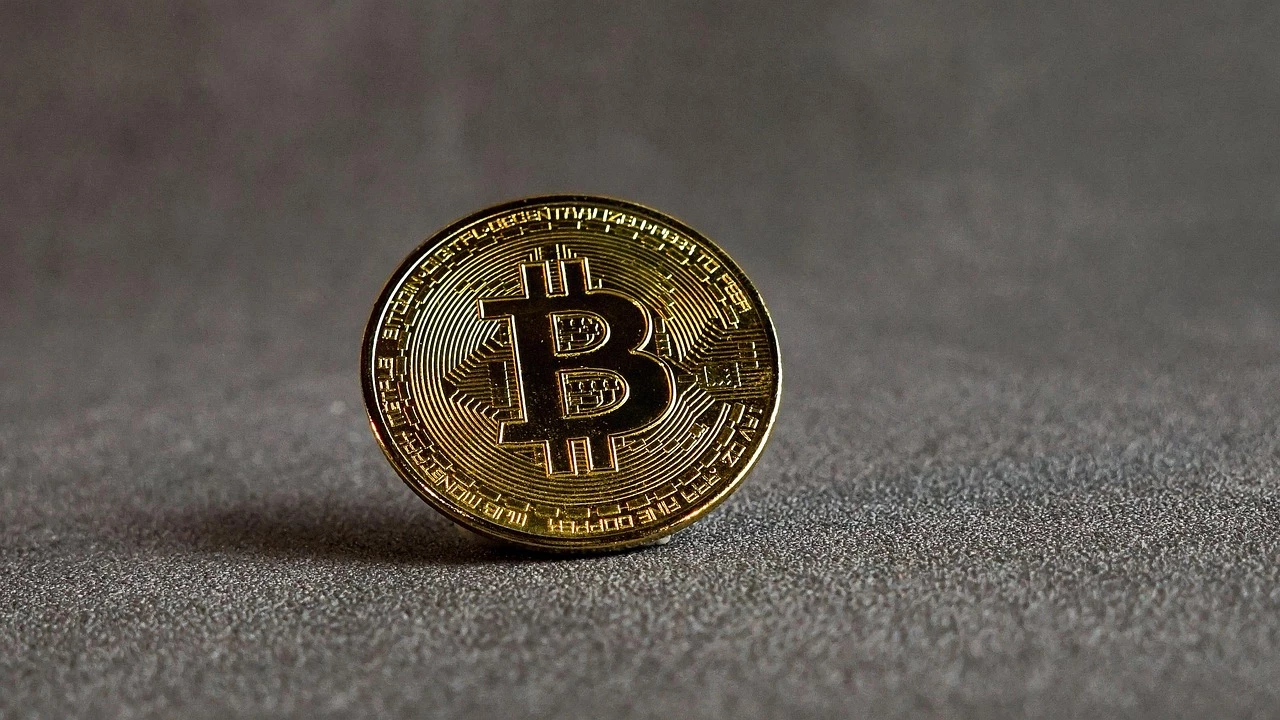
The Rise of Staking: Why It’s Essential for Crypto Investors
This article covers KULA and related crypto trends with practical context. Staking has emerged as a pivotal strategy for cryptocurrency investors, offering both passive income and enhanced network security. As blockchain technology matures, staking presents an attractive alternative to traditional trading methods, enabling investors to earn rewards on their holdings without the need for constant market monitoring.
In this article, we will delve into the mechanics of staking, its benefits, and the risks involved, providing actionable insights for investors looking to leverage this growing trend. We'll also explore some of the top coins that are ideal for staking, helping you make informed decisions in your investment journey.
What is Staking?
Understanding the Basics of Staking
Staking involves participating in a proof-of-stake (PoS) consensus mechanism, where investors lock up a certain amount of cryptocurrency to support network operations such as transaction validation. In return, they earn staking rewards, usually in the form of additional coins or tokens. This process not only secures the network but also incentivizes users to hold their assets long-term, contributing to price stability.
How Staking Works
In a PoS system, validators are chosen to create new blocks based on the number of coins they hold and are willing to 'stake' as collateral. This selection process contrasts with proof-of-work (PoW) systems like Bitcoin, which require significant computational power to solve complex mathematical problems. Staking can be done directly through a wallet or via staking pools, where multiple users combine their resources to increase their chances of earning rewards.
The Benefits of Staking for Investors
Passive Income Generation
One of the most compelling reasons to stake cryptocurrencies is the potential for passive income. By staking your coins, you can earn rewards without actively trading or managing your investments. This income can be particularly appealing in a volatile market where trading profits may be uncertain.
Supporting Network Security and Decentralization
Staking contributes to the overall health of the blockchain network. By locking up your assets, you help maintain the integrity and security of the network, which is vital for its long-term success. Furthermore, staking promotes decentralization, as more participants can validate transactions rather than relying on a few powerful miners.
Risks Associated with Staking
Market Volatility
While staking can provide steady returns, it is not without risks. The value of the staked assets can fluctuate significantly, which may impact the overall profitability of your investment. It's crucial to consider market conditions and choose coins with a stable track record.
Lock-up Periods and Liquidity Issues
Many staking platforms impose lock-up periods during which you cannot access your staked coins. This can lead to liquidity issues, particularly if you need to sell your assets during a market downturn. Always review the terms of the staking agreement before committing your funds.
Top Cryptocurrencies for Staking
Ethereum 2.0 (ETH)
As Ethereum transitions to a proof-of-stake model with its 2.0 upgrade, staking ETH has become increasingly popular. Investors can earn rewards by participating in the network's operations while supporting the shift towards a more energy-efficient blockchain.
Cardano (ADA)
Cardano has garnered attention for its robust staking mechanism. With a user-friendly interface and a focus on sustainability, ADA holders can easily participate in staking, earning rewards while contributing to the network's growth.
Solana (SOL)
Known for its high throughput and low transaction fees, Solana offers attractive staking options. Investors can stake SOL to support the network and enjoy competitive rewards, making it a favored choice among crypto enthusiasts.
Actionable Insights for Investors
Research Before You Stake
Before committing to a staking platform, conduct thorough research. Look for reliable and secure platforms with a history of successful operations. Read user reviews and ensure they have a transparent reward structure.
Clarity in scope and metrics keeps teams aligned in The Rise of Staking: Why It’s Essential for Crypto Investors. Write crisp definitions of done, instrument the path to green, and audit dependencies. Small, testable changes lower risk and speed up feedback. Builders who last in The Rise of Staking: Why It’s Essential for Crypto Investors do unglamorous work. Document edge cases, measure latency, track fees and liquidity, and review error budgets. Discipline compounds faster than hot takes. Treat KULA as one variable in a wider model. Most outcomes in The Rise of Staking: Why It’s Essential for Crypto Investors come from repeatable systems. Define assumptions, risks, invalidation points, and a recheck cadence. This habit beats narratives. Use KULA as a lens, but let decisions follow current data, not hype.
Operating in The Rise of Staking: Why It’s Essential for Crypto Investors benefits from early telemetry and automated dashboards. Transparency reduces rework and panic moves. When KULA shifts, context is already captured, so you can adjust calmly instead of reacting late. Clarity in scope and metrics keeps teams aligned in The Rise of Staking: Why It’s Essential for Crypto Investors. Write crisp definitions of done, instrument the path to green, and audit dependencies. Small, testable changes lower risk and speed up feedback. Most outcomes in The Rise of Staking: Why It’s Essential for Crypto Investors come from repeatable systems. Define assumptions, risks, invalidation points, and a recheck cadence. This habit beats narratives. Use KULA as a lens, but let decisions follow current data, not hype.
Diversify Your Staking Portfolio
Consider diversifying your staking investments across multiple cryptocurrencies. This strategy can help mitigate risks and increase your chances of earning consistent rewards. Choose coins with different use cases and market positions to balance your portfolio.
Key Takeaways
- Staking offers a way to earn passive income in the crypto space.
- Participating in staking helps secure the network and promotes decentralization.
- Market volatility poses risks for staked assets.
- Lock-up periods can lead to liquidity issues, so choose wisely.
- Top staking coins include Ethereum, Cardano, and Solana.
Ready to dive into staking? Start exploring your options today and discover how you can enhance your crypto portfolio!