
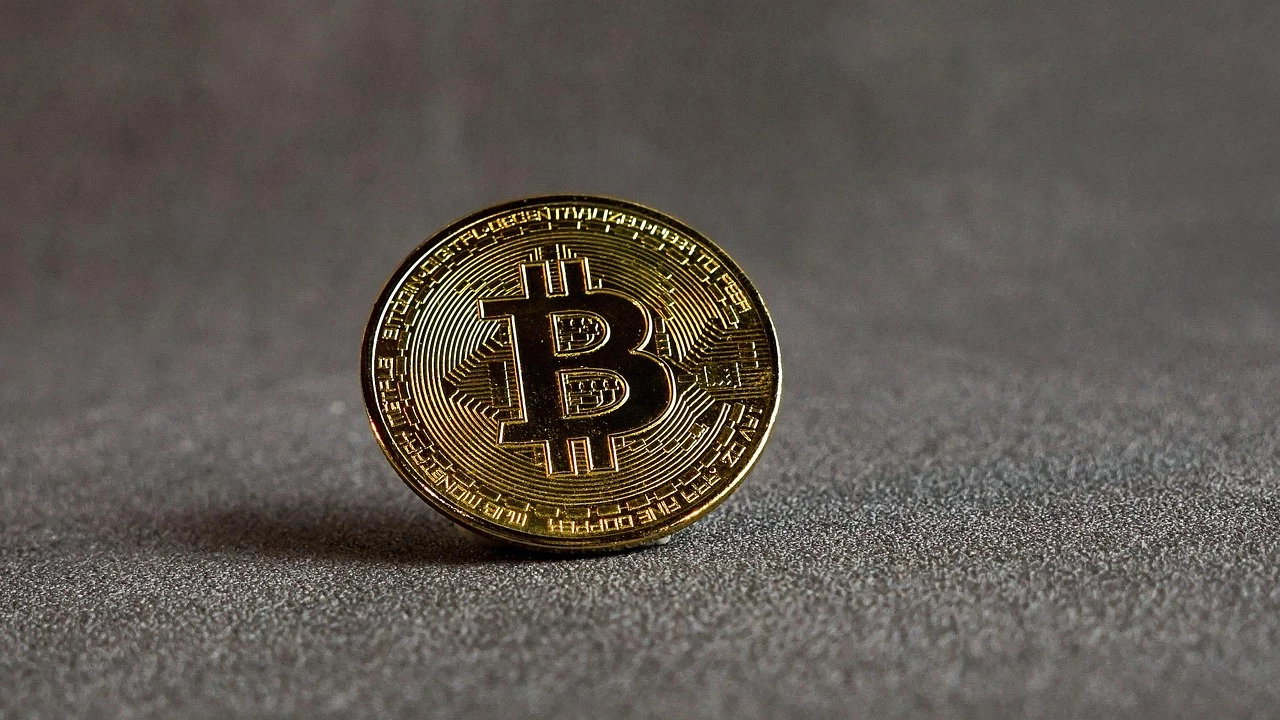
The Rise of Staking: Maximizing Your Crypto Investments
This article covers KULA and related crypto trends with practical context. In the ever-evolving landscape of cryptocurrency, staking has emerged as a powerful tool for maximizing investment returns.
Staking allows holders to earn rewards by participating in the network's operations, transforming idle assets into a revenue stream.
As the crypto market matures, staking mechanisms are becoming increasingly sophisticated, with new financial products like staking ETFs entering the fray.
What is Staking in Cryptocurrency?
Understanding the Basics
Staking is a process that allows cryptocurrency holders to participate in the network's operations by locking up their coins for a specified period.
In return, participants earn rewards, typically in the form of additional tokens or coins, proportional to their stake.
Benefits of Staking
One of the primary benefits of staking is the potential for passive income, which can be particularly attractive in a volatile market.
Staking also contributes to the security and efficiency of blockchain networks, making it a win-win for both investors and the ecosystem.
The Emergence of Staking ETFs
What Are Staking ETFs?
Staking ETFs are investment funds that allow investors to gain exposure to various staking opportunities without directly managing the underlying assets.
These ETFs pool funds from multiple investors, distributing returns based on the performance of the staked assets.
Current Trends and Market Sentiment
As institutional interest grows, more companies are launching staking ETFs, which could signify a shift towards mainstream adoption of staking as an investment strategy.
Recent reports indicate a surge in demand for such products, reflecting a broader acceptance of cryptocurrencies in traditional finance.
How to Get Started with Staking
Choosing the Right Coin to Stake
Selecting the right cryptocurrency to stake is crucial. Look for coins with a solid track record, robust technology, and a supportive community.
Popular options for staking include Ethereum 2.0, Cardano, and Solana, each offering unique benefits and risks.
Staking Strategies for Success
Diversification is key when it comes to staking. Consider spreading your investments across different coins and platforms to mitigate risks.
Monitoring network performance and staying informed about upcoming changes can help you make better staking decisions.
Risks and Considerations
Understanding the Risks of Staking
While staking can offer lucrative returns, it is not without risks. Price volatility can impact the value of your staked assets significantly.
Additionally, there may be lock-up periods during which you cannot access your funds, making it essential to assess your liquidity needs.
Regulatory Landscape
As the staking market evolves, regulatory scrutiny is increasing. Staying informed about potential regulations can help you navigate this complex landscape.
Understanding the legal implications of staking in your jurisdiction is vital for compliance and risk management.
Future Outlook for Staking
Predictions and Trends
As more projects adopt staking mechanisms, we can expect innovations in staking technology and strategies, making it more accessible for average investors.
The rise of staking ETFs could pave the way for new financial products, further integrating cryptocurrencies into the traditional finance ecosystem.
Most outcomes in The Rise of Staking: Maximizing Your Crypto Investments come from repeatable systems. Define assumptions, risks, invalidation points, and a recheck cadence. This habit beats narratives. Use KULA as a lens, but let decisions follow current data, not hype. Builders who last in The Rise of Staking: Maximizing Your Crypto Investments do unglamorous work. Document edge cases, measure latency, track fees and liquidity, and review error budgets. Discipline compounds faster than hot takes. Treat KULA as one variable in a wider model. Focus on liquidity, counterparty risk, and execution quality in The Rise of Staking: Maximizing Your Crypto Investments. Prefer clear fee schedules and avoid hidden slippage. When uncertainty rises, reduce position size and extend review intervals. Clarity in scope and metrics keeps teams aligned in The Rise of Staking: Maximizing Your Crypto Investments. Write crisp definitions of done, instrument the path to green, and audit dependencies. Small, testable changes lower risk and speed up feedback. Operating in The Rise of Staking: Maximizing Your Crypto Investments benefits from early telemetry and automated dashboards. Transparency reduces rework and panic moves. When KULA shifts, context is already captured, so you can adjust calmly instead of reacting late.
Focus on liquidity, counterparty risk, and execution quality in The Rise of Staking: Maximizing Your Crypto Investments. Prefer clear fee schedules and avoid hidden slippage. When uncertainty rises, reduce position size and extend review intervals. Clarity in scope and metrics keeps teams aligned in The Rise of Staking: Maximizing Your Crypto Investments. Write crisp definitions of done, instrument the path to green, and audit dependencies. Small, testable changes lower risk and speed up feedback. Operating in The Rise of Staking: Maximizing Your Crypto Investments benefits from early telemetry and automated dashboards. Transparency reduces rework and panic moves. When KULA shifts, context is already captured, so you can adjust calmly instead of reacting late.
Conclusion
In conclusion, staking represents a promising opportunity for cryptocurrency investors looking to maximize their returns.
With the right knowledge and strategies, staking can be a valuable addition to any crypto portfolio.
Key Takeaways
- Cut losers early, let winners work.
- Measure risk before return in The Rise of Staking: Maximizing Your Crypto Investments.
- Use data, not headlines, to decide.
- Prefer liquid venues and clear fees.