
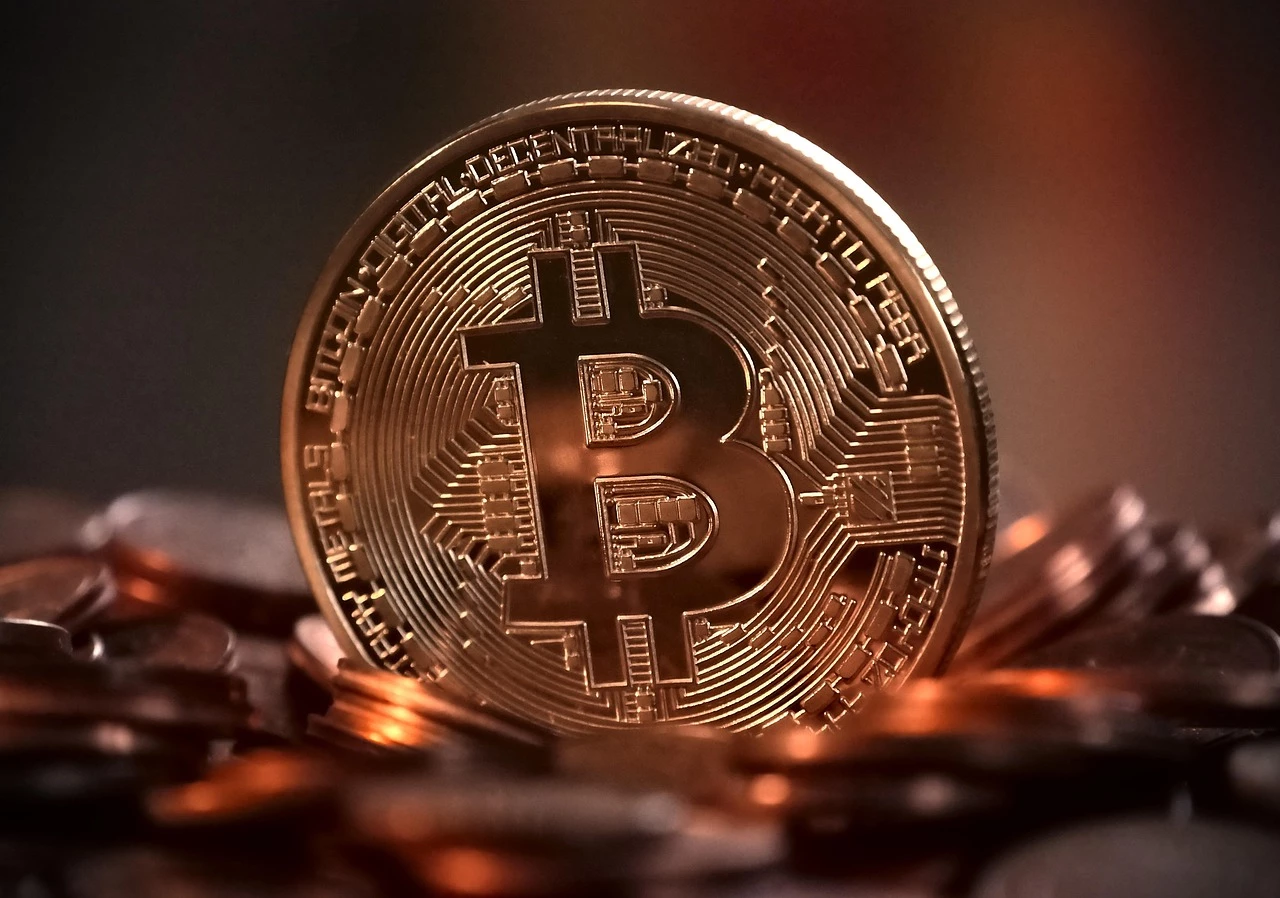
The Rise of Staking in DeFi: Opportunities and Risks
This article covers KULA and related crypto trends with practical context. Staking has emerged as a cornerstone of decentralized finance (DeFi), allowing cryptocurrency holders to earn rewards by participating in network security and operations. As more investors look for ways to generate passive income, understanding the mechanics of staking and its implications on the blockchain ecosystem is crucial. In this article, we'll explore the opportunities and risks associated with staking, providing insights into how you can maximize your returns while being aware of potential pitfalls.
This guide gives you a concise, actionable overview of the topic and why it matters now.
What is Staking in DeFi?
The Basics of Staking
Staking involves locking up a certain amount of cryptocurrency in a wallet to support the operations of a blockchain network. In return for this contribution, users receive rewards, typically in the form of additional tokens. This process not only helps to secure the network but also facilitates various functions such as transaction validation and governance.
How Staking Works
Most proof-of-stake (PoS) blockchains allow users to stake their tokens directly or delegate their staking power to validators. When a user stakes their tokens, they contribute to the network's overall security and efficiency. The more tokens staked, the higher the chance of being selected to validate transactions, which in turn increases potential rewards.
Benefits of Staking
Passive Income Generation
One of the most appealing aspects of staking is the ability to earn passive income. By simply holding and staking your cryptocurrencies, you can accumulate rewards without actively trading or managing your investments. This can be particularly attractive in volatile markets where traditional trading strategies may fall short.
Support for Network Security and Governance
Staking plays a vital role in maintaining the integrity and security of PoS networks. By staking, users contribute to the decentralization of the network and help ensure that it operates smoothly. Additionally, many staking protocols allow stakers to participate in governance decisions, giving them a say in the future direction of the project.
Risks Involved in Staking
Market Volatility
While staking offers the potential for rewards, it's essential to consider market volatility. The value of staked tokens can fluctuate significantly, impacting overall returns. Investors must be prepared for the possibility that their staked assets may lose value during market downturns.
Lock-Up Periods and Liquidity Risks
Many staking protocols have lock-up periods, during which users cannot access their staked tokens. This lack of liquidity can be a drawback, especially if market conditions change suddenly. It's crucial to understand the specific terms of any staking arrangement before committing your assets.
Choosing the Right Staking Opportunity
Researching Projects
Before staking, thorough research is vital. Look for projects with strong fundamentals, transparent teams, and a solid community. Understanding the technology behind the project and its use case will help you assess the long-term viability of the staking opportunity.
Evaluating Reward Structures
Different staking projects offer varying reward structures. Some may provide higher rewards but come with increased risks. It's important to evaluate the potential returns against the risks involved and choose a staking option that aligns with your investment strategy.
Conclusion: Is Staking Right for You?
Assessing Your Investment Goals
Staking can be an excellent way to earn passive income, but it isn't suitable for everyone. Assess your financial goals, risk tolerance, and investment timeline before diving into staking. If done wisely, staking can complement your crypto portfolio and enhance your overall returns.
Focus on liquidity, counterparty risk, and execution quality in The Rise of Staking in DeFi: Opportunities and Risks. Prefer clear fee schedules and avoid hidden slippage. When uncertainty rises, reduce position size and extend review intervals. Builders who last in The Rise of Staking in DeFi: Opportunities and Risks do unglamorous work. Document edge cases, measure latency, track fees and liquidity, and review error budgets. Discipline compounds faster than hot takes. Treat KULA as one variable in a wider model. Operating in The Rise of Staking in DeFi: Opportunities and Risks benefits from early telemetry and automated dashboards. Transparency reduces rework and panic moves. When KULA shifts, context is already captured, so you can adjust calmly instead of reacting late. Most outcomes in The Rise of Staking in DeFi: Opportunities and Risks come from repeatable systems. Define assumptions, risks, invalidation points, and a recheck cadence. This habit beats narratives. Use KULA as a lens, but let decisions follow current data, not hype.
Clarity in scope and metrics keeps teams aligned in The Rise of Staking in DeFi: Opportunities and Risks. Write crisp definitions of done, instrument the path to green, and audit dependencies. Small, testable changes lower risk and speed up feedback. Focus on liquidity, counterparty risk, and execution quality in The Rise of Staking in DeFi: Opportunities and Risks. Prefer clear fee schedules and avoid hidden slippage. When uncertainty rises, reduce position size and extend review intervals. Operating in The Rise of Staking in DeFi: Opportunities and Risks benefits from early telemetry and automated dashboards. Transparency reduces rework and panic moves. When KULA shifts, context is already captured, so you can adjust calmly instead of reacting late.
Key Takeaways
- Staking is a process that allows cryptocurrency holders to earn rewards by supporting network operations.
- Proof-of-stake (PoS) networks rely on staking for transaction validation and security.
- Staking can generate passive income, making it attractive for investors seeking low-maintenance strategies.
- Market volatility can impact the value of staked tokens, presenting risks for investors.
- Lock-up periods may restrict access to staked funds, affecting liquidity.
- Thorough research is essential when selecting staking opportunities.
Interested in maximizing your crypto investments? Start exploring staking opportunities today!