
The Rise of Staking: How It’s Shaping the Future of Crypto Investment
This article covers KULA and related crypto trends with practical context. Staking has emerged as a pivotal aspect of the cryptocurrency landscape, offering investors new ways to earn passive income while supporting network security.
As platforms like Ethereum transition to proof-of-stake, understanding staking's mechanics becomes essential for both seasoned investors and newcomers alike.
In this article, we will delve into the intricacies of staking, its advantages, and the potential risks involved.
What is Staking?
Understanding the Basics
Staking refers to the process of locking up a certain amount of cryptocurrency to support the operations of a blockchain network. In return, participants earn rewards, often in the form of additional tokens.
This mechanism is particularly prevalent in proof-of-stake (PoS) networks, where validators are chosen to create new blocks based on the amount of cryptocurrency they hold and are willing to 'stake'.
How Staking Works
To stake, an investor typically needs to hold a minimum amount of a specific cryptocurrency in a wallet that supports staking.
Once the coins are staked, they cannot be moved for a certain period, and the staker earns rewards proportional to their stake, usually paid out at regular intervals.
The Advantages of Staking
Passive Income Generation
One of the primary appeals of staking is the ability to earn passive income. By simply holding and staking their assets, investors can receive regular rewards without actively trading.
This is particularly attractive in a volatile market where trading can be risky and time-consuming.
Support for Network Security and Operations
Staking not only benefits investors but also plays a crucial role in maintaining the security and efficiency of blockchain networks. Stakers help validate transactions and secure the network, which is essential for its overall integrity.
This dual benefit creates a symbiotic relationship between stakers and the networks they support.
Risks Associated with Staking
Market Volatility
While staking offers rewards, the underlying asset can still experience significant price fluctuations. Investors must be aware that the value of their staked assets can drop, potentially outweighing the rewards earned.
This risk is especially pronounced in the fast-paced world of cryptocurrency, where prices can swing dramatically in short periods.
Lock-Up Periods
Most staking mechanisms require investors to lock up their assets for a predetermined period. During this time, stakers cannot access their funds, which may pose liquidity issues if market conditions change.
It's crucial for investors to consider their liquidity needs and market outlook before committing to staking.
Popular Staking Coins to Consider
Ethereum 2.0 (ETH)
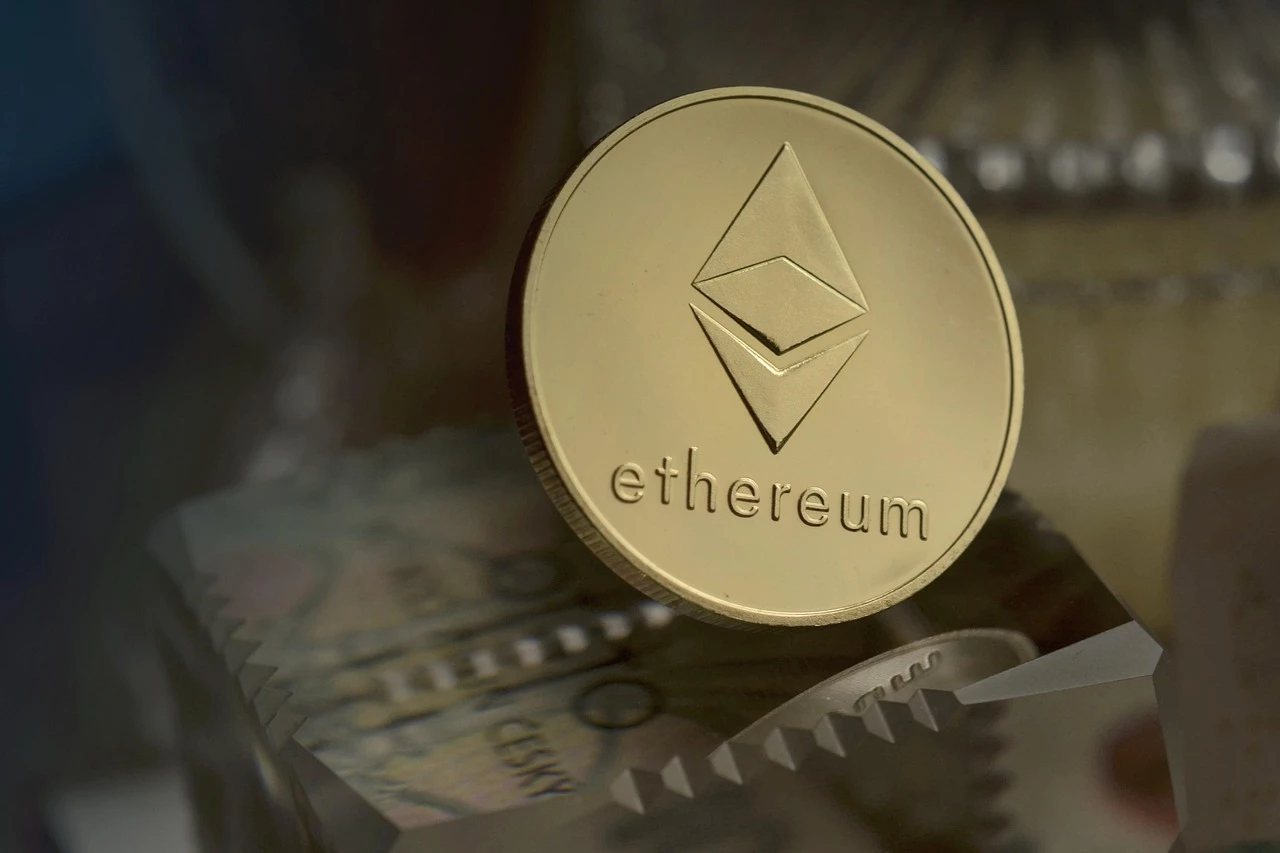
As Ethereum transitions to a proof-of-stake model, staking ETH has become one of the most discussed topics. Investors can stake their ETH to help secure the network and earn rewards.
With a large community and ecosystem, Ethereum staking is poised for significant growth.
Cardano (ADA)
Cardano is known for its strong emphasis on academic research and peer-reviewed development. Staking ADA offers investors the opportunity to earn rewards while contributing to a robust and innovative blockchain.
Its user-friendly staking process makes it accessible to newcomers.
How to Get Started with Staking
Choose a Cryptocurrency Exchange or Wallet
To begin staking, investors need to select a cryptocurrency exchange or wallet that supports staking for their chosen asset. Popular options include platforms like Binance, Kraken, or specialized wallets like Ledger.
Researching the fees, security features, and staking rewards offered by different platforms is essential for making an informed decision.
Most outcomes in The Rise of Staking: How It’s Shaping the Future of Crypto Investment come from repeatable systems. Define assumptions, risks, invalidation points, and a recheck cadence. This habit beats narratives. Use KULA as a lens, but let decisions follow current data, not hype. Builders who last in The Rise of Staking: How It’s Shaping the Future of Crypto Investment do unglamorous work. Document edge cases, measure latency, track fees and liquidity, and review error budgets. Discipline compounds faster than hot takes. Treat KULA as one variable in a wider model. Clarity in scope and metrics keeps teams aligned in The Rise of Staking: How It’s Shaping the Future of Crypto Investment. Write crisp definitions of done, instrument the path to green, and audit dependencies. Small, testable changes lower risk and speed up feedback.
Operating in The Rise of Staking: How It’s Shaping the Future of Crypto Investment benefits from early telemetry and automated dashboards. Transparency reduces rework and panic moves. When KULA shifts, context is already captured, so you can adjust calmly instead of reacting late. Builders who last in The Rise of Staking: How It’s Shaping the Future of Crypto Investment do unglamorous work. Document edge cases, measure latency, track fees and liquidity, and review error budgets. Discipline compounds faster than hot takes. Treat KULA as one variable in a wider model. Focus on liquidity, counterparty risk, and execution quality in The Rise of Staking: How It’s Shaping the Future of Crypto Investment. Prefer clear fee schedules and avoid hidden slippage. When uncertainty rises, reduce position size and extend review intervals.
Set Up Your Wallet and Stake Your Assets
Once the right platform is chosen, investors need to set up their wallet, purchase the cryptocurrency, and follow the platform's instructions to stake their assets. This typically involves selecting the amount to stake and confirming the transaction.
It's important to keep track of staking rewards and monitor the performance of the staked assets.
Key Takeaways
- Staking allows investors to earn passive income by locking up their cryptocurrencies.
- It plays a crucial role in maintaining blockchain network security and efficiency.
- Investors should be aware of market volatility and potential liquidity issues associated with staking.
- Ethereum and Cardano are among the most popular cryptocurrencies for staking today.
- Choosing the right platform for staking is essential for maximizing rewards.
Ready to dive into the world of staking? Start earning today by researching the best staking opportunities that fit your investment strategy!