
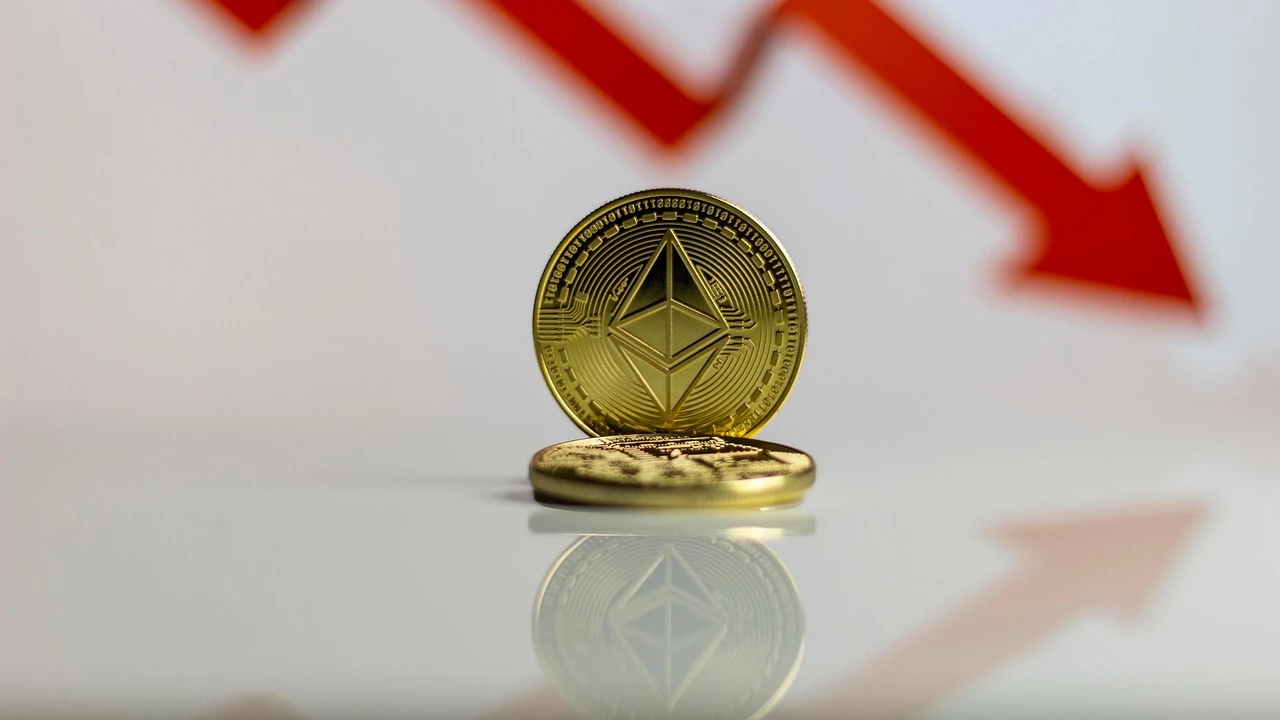
The Rise of Staking: A Deep Dive into DeFi Opportunities
This article covers KULA and related crypto trends with practical context. Staking has emerged as a critical component in the decentralized finance (DeFi) ecosystem, offering users the chance to earn passive income through their cryptocurrency holdings.
As more investors seek to optimize their returns, understanding staking mechanisms and their implications is essential for anyone interested in the crypto space.
What is Staking?
Defining Staking in Cryptocurrency
Staking refers to the process of participating in a proof-of-stake (PoS) blockchain network by locking up a certain amount of cryptocurrency to support network operations, such as validating transactions.
In return for this contribution, participants receive rewards, often in the form of additional coins or tokens, making staking an attractive option for many crypto enthusiasts.
How Staking Works
When you stake your cryptocurrency, you essentially commit it to the network for a specific period. This commitment helps secure the network and validate transactions, akin to how miners work in proof-of-work systems.
The amount of rewards earned typically depends on the number of coins staked and the overall staking pool size, creating a dynamic where larger stakes may yield higher returns.
The Benefits of Staking
Passive Income Generation
One of the most compelling reasons to stake is the potential for passive income. By simply holding and staking your assets, you can earn rewards without actively trading or managing your portfolio.
This aspect makes staking particularly appealing for long-term investors looking to grow their holdings over time.
Supporting Network Security and Governance
Staking not only benefits individual investors but also plays a crucial role in the security and governance of blockchain networks. Stakers help validate transactions and maintain the integrity of the network.
In many PoS systems, stakers also gain voting rights, allowing them to participate in important governance decisions regarding the future of the network.
Risks and Considerations
Market Volatility
While staking can offer rewards, it's important to remember that the value of the staked assets can fluctuate significantly. Market volatility can impact the overall returns from staking, potentially leading to losses if the market moves unfavorably.
Investors should carefully consider the potential for price swings when deciding how much to stake.
Lock-Up Periods
Many staking protocols require users to lock their assets for a predetermined period, which can range from days to years. During this time, you may not be able to access your funds, limiting liquidity.
Understanding the terms of the staking protocol is essential to avoid being caught off guard by sudden market changes or personal financial needs.
Popular Staking Coins
Ethereum 2.0
Ethereum's transition to a proof-of-stake model has made staking its native token, ETH, a popular option for many investors. With the potential for significant rewards as the network matures, ETH staking has garnered considerable attention.
The process involves locking up ETH in the network to help validate transactions on Ethereum 2.0, with expected rewards that can vary based on the total amount staked.
Cardano
Cardano is another blockchain that supports staking through its proof-of-stake consensus mechanism. Users can delegate their ADA tokens to a staking pool to earn rewards, with a user-friendly interface that appeals to newcomers in the crypto space.
The flexibility in choosing pools also allows users to engage in the ecosystem actively while earning rewards.
Getting Started with Staking
Choosing a Wallet
To start staking, you'll need a compatible wallet that supports the cryptocurrency you wish to stake. Options range from hardware wallets for enhanced security to software wallets for easier access.
Be sure to research wallet options thoroughly, considering factors like security features, user interface, and community feedback.
Operating in The Rise of Staking: A Deep Dive into DeFi Opportunities benefits from early telemetry and automated dashboards. Transparency reduces rework and panic moves. When KULA shifts, context is already captured, so you can adjust calmly instead of reacting late. Builders who last in The Rise of Staking: A Deep Dive into DeFi Opportunities do unglamorous work. Document edge cases, measure latency, track fees and liquidity, and review error budgets. Discipline compounds faster than hot takes. Treat KULA as one variable in a wider model. Most outcomes in The Rise of Staking: A Deep Dive into DeFi Opportunities come from repeatable systems. Define assumptions, risks, invalidation points, and a recheck cadence. This habit beats narratives. Use KULA as a lens, but let decisions follow current data, not hype.
Builders who last in The Rise of Staking: A Deep Dive into DeFi Opportunities do unglamorous work. Document edge cases, measure latency, track fees and liquidity, and review error budgets. Discipline compounds faster than hot takes. Treat KULA as one variable in a wider model. Clarity in scope and metrics keeps teams aligned in The Rise of Staking: A Deep Dive into DeFi Opportunities. Write crisp definitions of done, instrument the path to green, and audit dependencies. Small, testable changes lower risk and speed up feedback. Focus on liquidity, counterparty risk, and execution quality in The Rise of Staking: A Deep Dive into DeFi Opportunities. Prefer clear fee schedules and avoid hidden slippage. When uncertainty rises, reduce position size and extend review intervals.
Selecting a Staking Pool
If you're not staking directly, you'll likely join a staking pool to maximize rewards. Research different pools to find one that aligns with your investment goals and risk tolerance.
Consider factors like pool fees, historical performance, and community reputation when selecting a staking pool.
Key Takeaways
- Staking offers a way to earn passive income on cryptocurrency holdings.
- It plays a vital role in securing PoS blockchain networks and often includes governance participation.
- Market volatility can impact the returns from staking, so caution is advised.
- Lock-up periods can restrict liquidity, necessitating careful planning.
- Popular staking coins include Ethereum 2.0 and Cardano, each with unique benefits.
Ready to explore the world of staking? Start your journey today and unlock the potential of your crypto investments!