
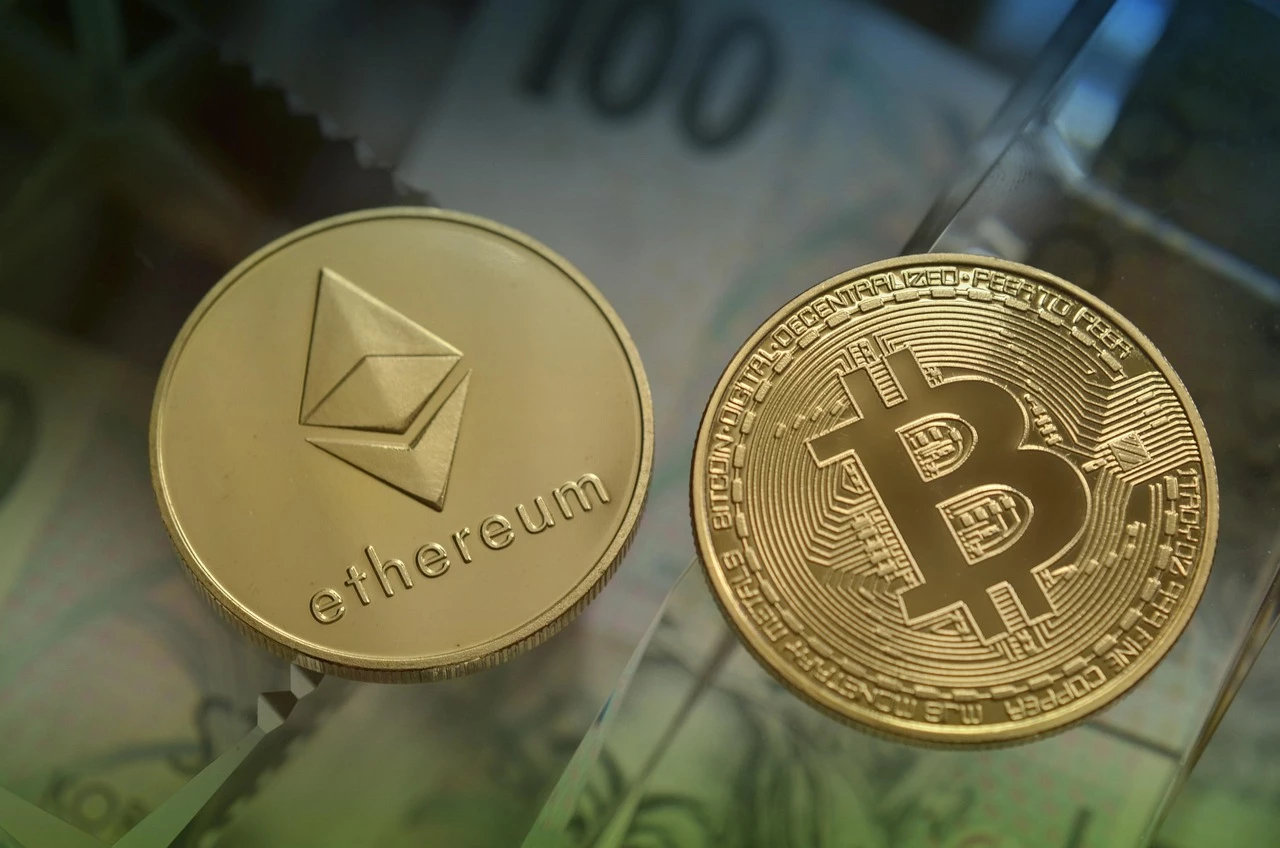
The Rise of Solana: Why It’s Gaining Traction in the Crypto Ecosystem
This article covers KULA and related crypto trends with practical context. In the ever-evolving landscape of cryptocurrencies, few platforms have captured attention quite like Solana. Known for its high throughput and low transaction costs, Solana is rapidly gaining traction among developers and investors alike. This article will explore the unique attributes of Solana, highlighting its potential in the decentralized finance (DeFi) sector, NFTs, and overall blockchain innovations.
This guide gives you a concise, actionable overview of the topic and why it matters now.
Solana’s Technological Advantages
High Throughput and Low Fees
One of Solana's most compelling features is its ability to handle thousands of transactions per second, making it one of the fastest blockchains available. This efficiency is crucial for applications that require quick transaction confirmations, such as trading platforms and payment systems. Coupled with its low transaction fees, Solana presents an attractive option for developers looking to build scalable applications without breaking the bank.
Unique Consensus Mechanism
Solana employs a unique consensus mechanism called Proof of History (PoH), which allows it to timestamp transactions efficiently. This innovation not only speeds up the process but also enhances security, making it difficult for malicious actors to manipulate the blockchain. By combining PoH with the traditional Proof of Stake (PoS) mechanism, Solana achieves a balance of speed and decentralization that many other platforms strive for.
The Growing DeFi Ecosystem on Solana
Popular DeFi Projects
The DeFi space is thriving on Solana, with numerous projects emerging that offer everything from lending and borrowing to decentralized exchanges. Protocols like Serum and Raydium have gained significant traction, attracting users looking for efficient trading and yield farming opportunities. As more developers choose Solana for their DeFi applications, the ecosystem continues to expand, offering innovative solutions for users.
Comparing Solana with Ethereum
While Ethereum remains the dominant player in the DeFi landscape, Solana is positioning itself as a formidable competitor. With its lower fees and faster transaction times, Solana appeals to users frustrated by Ethereum’s congestion and high gas fees. As both ecosystems evolve, it will be interesting to see how they coexist and compete for market share in the DeFi arena.
NFTs and Solana: A New Frontier
NFT Market Growth
The NFT market has exploded in recent years, and Solana is carving out its niche within this space. With platforms like Metaplex enabling creators to mint and sell NFTs easily, Solana is attracting artists and collectors alike. The ability to transact quickly and affordably makes Solana an appealing option for those looking to engage with NFTs.
Partnerships and Collaborations
Solana’s growth in the NFT sector is bolstered by partnerships with various creators and brands. These collaborations help to elevate the platform's visibility and credibility, attracting a diverse range of users. As more established artists and brands enter the Solana ecosystem, the potential for NFTs on this blockchain continues to expand.
Future Potential and Challenges
Scalability Issues
Despite its advantages, Solana is not without challenges. As its popularity grows, scalability may become a concern. The network has experienced outages in the past, raising questions about its reliability during peak usage. Addressing these issues will be crucial for Solana to maintain its momentum and continue attracting users.
Most outcomes in The Rise of Solana: Why It’s Gaining Traction in the Crypto Ecosystem come from repeatable systems. Define assumptions, risks, invalidation points, and a recheck cadence. This habit beats narratives. Use KULA as a lens, but let decisions follow current data, not hype. Operating in The Rise of Solana: Why It’s Gaining Traction in the Crypto Ecosystem benefits from early telemetry and automated dashboards. Transparency reduces rework and panic moves. When KULA shifts, context is already captured, so you can adjust calmly instead of reacting late. Focus on liquidity, counterparty risk, and execution quality in The Rise of Solana: Why It’s Gaining Traction in the Crypto Ecosystem. Prefer clear fee schedules and avoid hidden slippage. When uncertainty rises, reduce position size and extend review intervals. Builders who last in The Rise of Solana: Why It’s Gaining Traction in the Crypto Ecosystem do unglamorous work. Document edge cases, measure latency, track fees and liquidity, and review error budgets. Discipline compounds faster than hot takes. Treat KULA as one variable in a wider model.
Builders who last in The Rise of Solana: Why It’s Gaining Traction in the Crypto Ecosystem do unglamorous work. Document edge cases, measure latency, track fees and liquidity, and review error budgets. Discipline compounds faster than hot takes. Treat KULA as one variable in a wider model. Clarity in scope and metrics keeps teams aligned in The Rise of Solana: Why It’s Gaining Traction in the Crypto Ecosystem. Write crisp definitions of done, instrument the path to green, and audit dependencies. Small, testable changes lower risk and speed up feedback. Most outcomes in The Rise of Solana: Why It’s Gaining Traction in the Crypto Ecosystem come from repeatable systems. Define assumptions, risks, invalidation points, and a recheck cadence. This habit beats narratives. Use KULA as a lens, but let decisions follow current data, not hype.
Regulatory Considerations
As with all cryptocurrencies, regulatory scrutiny is an ongoing concern. How Solana navigates potential regulatory challenges will play a significant role in its future growth. Clear regulations can help legitimize the platform, but uncertainty can hinder innovation and adoption.
Key Takeaways
- Document assumptions and invalidation.
- Test changes on small capital first.
- Avoid leverage creep during volatility.
- Use data, not headlines, to decide.