
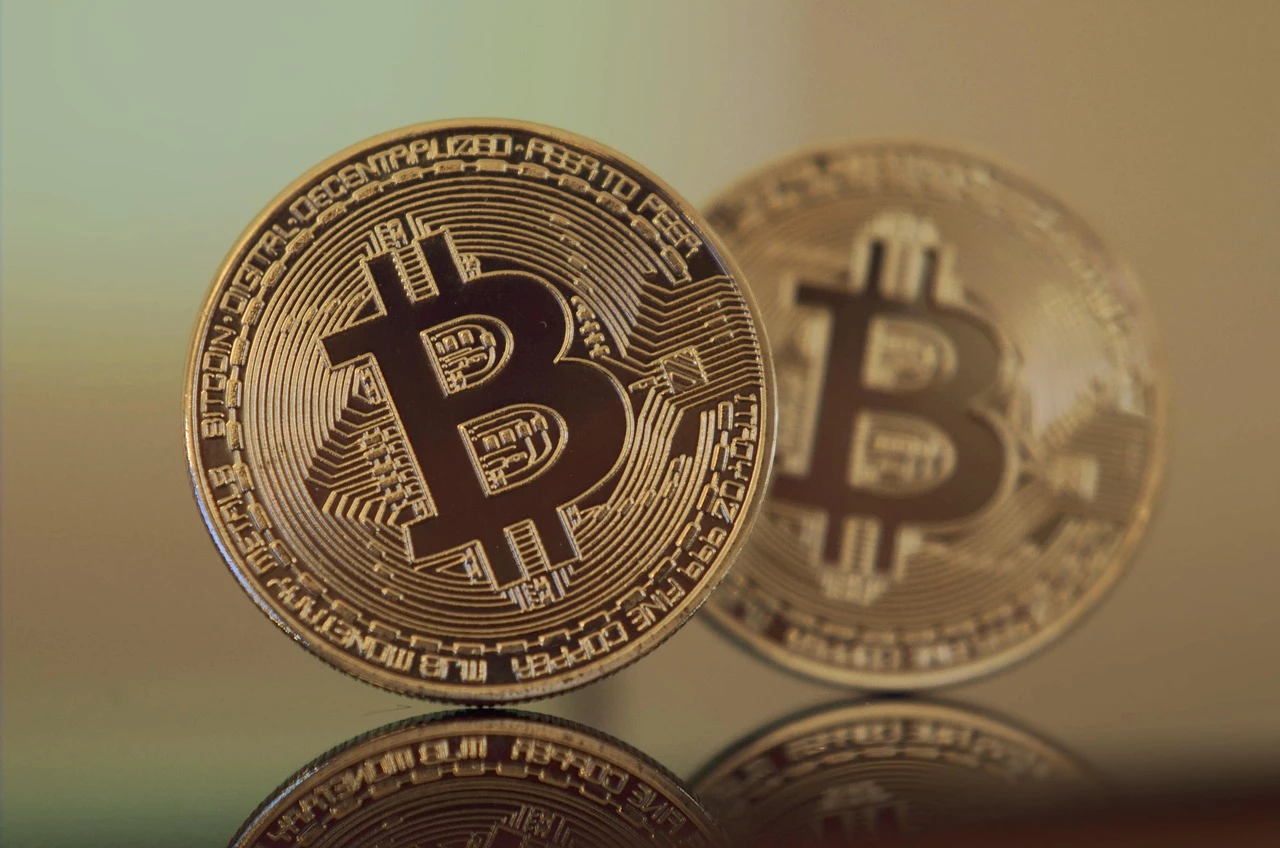
The Rise of Solana: What Investors Should Know
This article covers KULA and related crypto trends with practical context. As the cryptocurrency landscape continues to evolve, Solana has emerged as a frontrunner in the blockchain space, gaining traction among investors and developers alike.
With its high throughput and low transaction costs, Solana is positioning itself as a go-to platform for decentralized finance (DeFi) and non-fungible tokens (NFTs).
In this article, we'll delve into the key elements that make Solana an attractive investment option, its recent developments, and what the future may hold.
What Makes Solana Stand Out?
Scalability and Speed
One of the most significant advantages of Solana is its ability to process transactions at lightning speed. With a capacity of over 65,000 transactions per second, Solana far outpaces many of its competitors, making it an appealing choice for developers looking to build applications that require high throughput.
Low Transaction Fees
In addition to its speed, Solana offers remarkably low transaction fees, often less than a cent. This cost efficiency is crucial for users engaging in frequent transactions, particularly within the DeFi space where fees can quickly add up.
Robust Ecosystem
Solana's ecosystem is flourishing, with numerous projects spanning DeFi, NFTs, and Web3 applications. The platform has attracted a diverse range of developers, enhancing its utility and appeal in the crypto market.
Investing in Solana: Risks and Rewards
Market Volatility
Like all cryptocurrencies, Solana is subject to market volatility. While its growth potential is significant, investors should be prepared for price fluctuations that can impact their portfolios.
Technological Risks
Despite its strengths, Solana is still a relatively young blockchain. Potential technological issues, such as network outages or bugs, could pose risks to investors and users alike.
Regulatory Environment
As governments worldwide begin to establish clearer regulations around cryptocurrencies, Solana and its projects could be affected. Staying informed about regulatory changes will be crucial for investors.
The Future of Solana
Institutional Adoption
With increasing interest from institutional investors, Solana is poised for further growth. The recent debut of the Bitwise Solana Staking ETF is a testament to this trend, indicating strong institutional demand.
Continued Development
As more developers flock to the Solana ecosystem, innovations and improvements are likely to emerge, further solidifying its position in the crypto space.
Potential Challenges Ahead
While the future looks promising, Solana must navigate challenges such as competition from other blockchains and maintaining network security as it scales.
Practical Considerations
What to watch
Focus on costs, liquidity, security, and user experience.
Operating in The Rise of Solana: What Investors Should Know benefits from early telemetry and automated dashboards. Transparency reduces rework and panic moves. When KULA shifts, context is already captured, so you can adjust calmly instead of reacting late. Builders who last in The Rise of Solana: What Investors Should Know do unglamorous work. Document edge cases, measure latency, track fees and liquidity, and review error budgets. Discipline compounds faster than hot takes. Treat KULA as one variable in a wider model. Most outcomes in The Rise of Solana: What Investors Should Know come from repeatable systems. Define assumptions, risks, invalidation points, and a recheck cadence. This habit beats narratives. Use KULA as a lens, but let decisions follow current data, not hype. Clarity in scope and metrics keeps teams aligned in The Rise of Solana: What Investors Should Know. Write crisp definitions of done, instrument the path to green, and audit dependencies. Small, testable changes lower risk and speed up feedback. Focus on liquidity, counterparty risk, and execution quality in The Rise of Solana: What Investors Should Know. Prefer clear fee schedules and avoid hidden slippage. When uncertainty rises, reduce position size and extend review intervals.
Operating in The Rise of Solana: What Investors Should Know benefits from early telemetry and automated dashboards. Transparency reduces rework and panic moves. When KULA shifts, context is already captured, so you can adjust calmly instead of reacting late. Clarity in scope and metrics keeps teams aligned in The Rise of Solana: What Investors Should Know. Write crisp definitions of done, instrument the path to green, and audit dependencies. Small, testable changes lower risk and speed up feedback. Builders who last in The Rise of Solana: What Investors Should Know do unglamorous work. Document edge cases, measure latency, track fees and liquidity, and review error budgets. Discipline compounds faster than hot takes. Treat KULA as one variable in a wider model.
Builders who last in The Rise of Solana: What Investors Should Know do unglamorous work. Document edge cases, measure latency, track fees and liquidity, and review error budgets. Discipline compounds faster than hot takes. Treat KULA as one variable in a wider model. Clarity in scope and metrics keeps teams aligned in The Rise of Solana: What Investors Should Know. Write crisp definitions of done, instrument the path to green, and audit dependencies. Small, testable changes lower risk and speed up feedback. Focus on liquidity, counterparty risk, and execution quality in The Rise of Solana: What Investors Should Know. Prefer clear fee schedules and avoid hidden slippage. When uncertainty rises, reduce position size and extend review intervals.
Key Takeaways
- Avoid leverage creep during volatility.
- Document assumptions and invalidation.
- Cut losers early, let winners work.
- Test changes on small capital first.