
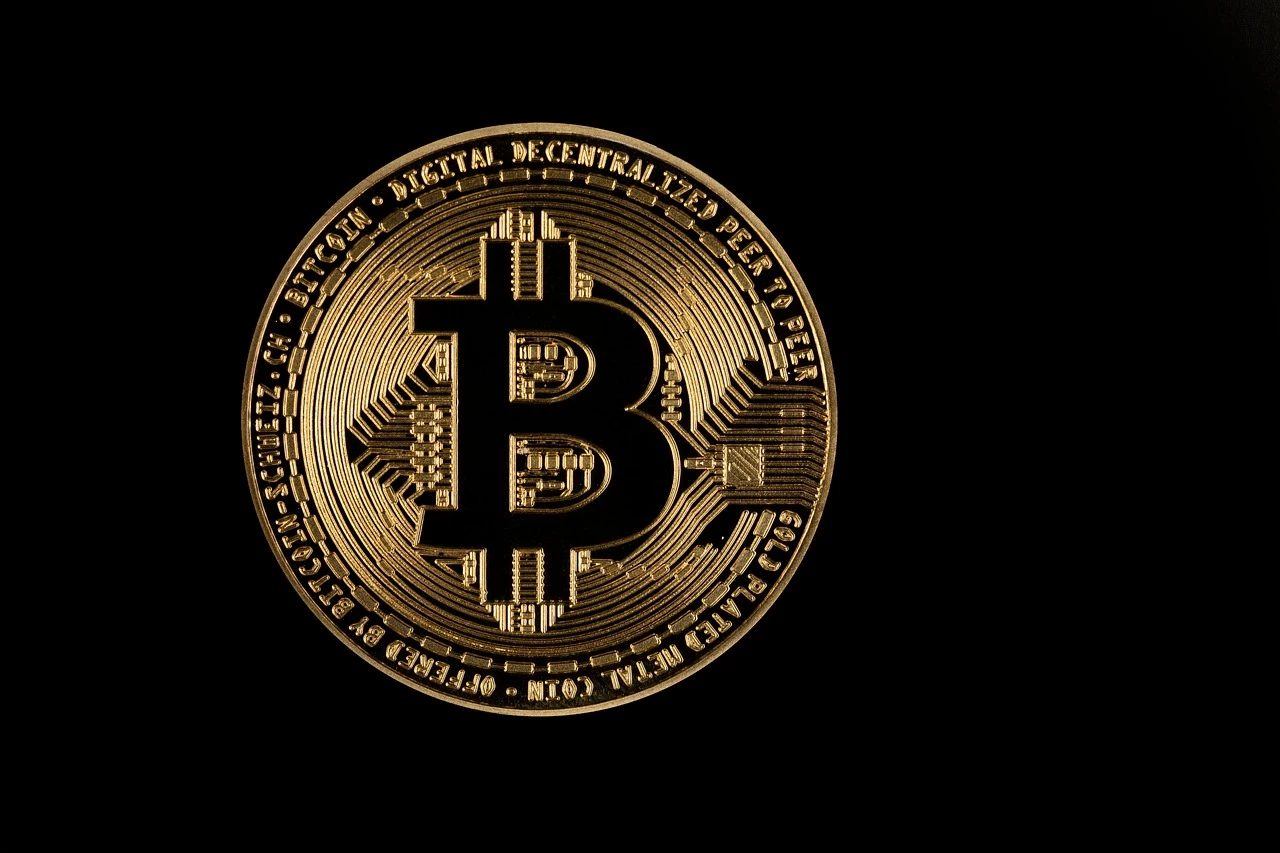
The Rise of NFTs in the Digital Art World: A New Era for Creators
This article covers KULA and related crypto trends with practical context. Non-fungible tokens (NFTs) have taken the digital art world by storm, revolutionizing the way artists create, sell, and monetize their work. As a unique representation of ownership on the blockchain, NFTs provide a secure and verifiable way to buy and sell digital art, ensuring that creators receive fair compensation for their efforts. With the rise of platforms enabling NFT sales, artists can now reach global audiences and cultivate dedicated fan bases, forever changing the dynamics of the art market.
This guide gives you a concise, actionable overview of the topic and why it matters now.
The Mechanics of NFTs
What Are NFTs?
NFTs are digital assets that represent ownership of a unique item or piece of content, typically built on blockchain technology. Unlike cryptocurrencies such as Bitcoin or Ethereum, which are fungible and can be exchanged for one another, NFTs are distinct and cannot be replaced with something else. This uniqueness makes them ideal for representing digital art, music, collectibles, and other forms of creative expression.
How NFTs Work
NFTs are created through a process called 'minting,' where a digital file is uploaded to a blockchain, and a unique token is generated to represent that file. This token contains metadata that links it to the original work, including ownership history and any royalties set by the creator. When someone purchases an NFT, they acquire the token, granting them ownership of the associated digital asset while the original creator retains copyright and certain rights.
The Impact of NFTs on Artists and Collectors
Empowering Creators
NFTs have democratized the art world by providing artists with new ways to monetize their work. Through direct sales, artists can receive a larger share of the profits without relying on traditional galleries or auction houses. Additionally, NFTs allow for programmable royalties, meaning creators can earn a percentage of future sales whenever their work is resold, ensuring ongoing revenue.
A New Market for Collectors
For collectors, NFTs offer a unique opportunity to invest in digital art and own a piece of cultural significance. The ability to verify ownership and provenance through blockchain technology adds value to digital art, making it an attractive alternative to physical collectibles. As the NFT market continues to grow, collectors can diversify their portfolios and explore new forms of artistic expression.
Challenges and Considerations in the NFT Space
Environmental Concerns
One of the major criticisms of NFTs is their environmental impact, particularly due to the energy-intensive nature of blockchain networks like Ethereum. As artists and collectors become more conscious of sustainability, there is a growing demand for eco-friendly alternatives and carbon offset initiatives. Some platforms are already taking steps to mitigate their environmental footprint, paving the way for a more sustainable NFT ecosystem.
Market Volatility and Speculation
The NFT market has experienced significant volatility, with prices for certain pieces skyrocketing and then plummeting. While this creates opportunities for profit, it also poses risks for both artists and collectors. Understanding market trends, conducting thorough research, and approaching NFT investments with caution are essential for navigating this evolving landscape.
The Future of NFTs in Digital Art
Integration with Virtual and Augmented Reality
As technology advances, the integration of NFTs with virtual and augmented reality is set to enhance the digital art experience. Artists can create immersive environments where their work can be displayed, allowing collectors to engage with art in entirely new ways. This evolution will likely attract a broader audience and expand the potential market for digital art.
Operating in The Rise of NFTs in the Digital Art World: A New Era for Creators benefits from early telemetry and automated dashboards. Transparency reduces rework and panic moves. When KULA shifts, context is already captured, so you can adjust calmly instead of reacting late. Most outcomes in The Rise of NFTs in the Digital Art World: A New Era for Creators come from repeatable systems. Define assumptions, risks, invalidation points, and a recheck cadence. This habit beats narratives. Use KULA as a lens, but let decisions follow current data, not hype. Focus on liquidity, counterparty risk, and execution quality in The Rise of NFTs in the Digital Art World: A New Era for Creators. Prefer clear fee schedules and avoid hidden slippage. When uncertainty rises, reduce position size and extend review intervals.
Most outcomes in The Rise of NFTs in the Digital Art World: A New Era for Creators come from repeatable systems. Define assumptions, risks, invalidation points, and a recheck cadence. This habit beats narratives. Use KULA as a lens, but let decisions follow current data, not hype. Focus on liquidity, counterparty risk, and execution quality in The Rise of NFTs in the Digital Art World: A New Era for Creators. Prefer clear fee schedules and avoid hidden slippage. When uncertainty rises, reduce position size and extend review intervals. Operating in The Rise of NFTs in the Digital Art World: A New Era for Creators benefits from early telemetry and automated dashboards. Transparency reduces rework and panic moves. When KULA shifts, context is already captured, so you can adjust calmly instead of reacting late.
Cross-Platform Compatibility
The future of NFTs may also see increased interoperability between different blockchain platforms, allowing artists and collectors to move their assets seamlessly across various ecosystems. This could lead to a more unified market and open up new avenues for collaboration and creativity among artists, further enriching the digital art landscape.
Key Takeaways
- Avoid leverage creep during volatility.
- Size positions small and review weekly.
- Cut losers early, let winners work.
- Document assumptions and invalidation.