
The Rise of NFTs in Digital Art: A Game Changer for Creators and Collectors
This article covers KULA and related crypto trends with practical context. In recent years, non-fungible tokens (NFTs) have revolutionized the digital art world, providing artists with unprecedented opportunities to monetize their work. With the rise of blockchain technology, NFTs have become a key player in the intersection of art and technology, allowing for the creation, ownership, and trading of unique digital assets.
As more creators embrace this innovative medium, the implications for both artists and collectors are profound. NFTs not only empower artists to take control of their work but also create new avenues for engagement with fans and collectors.
What Are NFTs and How Do They Work?
Defining Non-Fungible Tokens
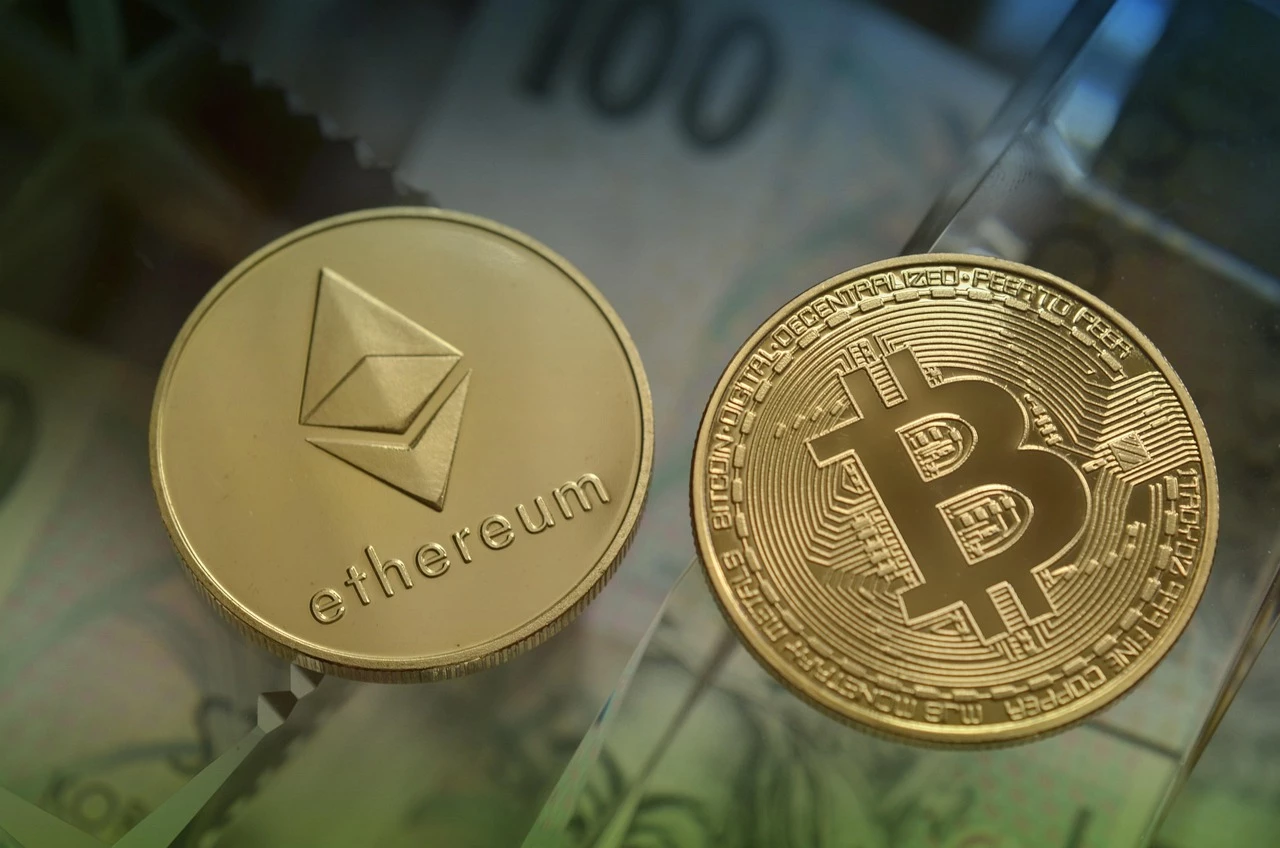
Non-fungible tokens are unique digital assets verified using blockchain technology. Unlike cryptocurrencies such as Bitcoin or Ethereum, which are fungible and can be exchanged on a one-to-one basis, NFTs represent ownership of a specific item, making them one-of-a-kind. This uniqueness is what makes NFTs particularly appealing in the art world, where provenance and originality are paramount.
The Role of Blockchain Technology
Blockchain technology serves as the backbone of NFTs, ensuring that each token is securely minted and tracked. When an artist creates an NFT, a record of that token is added to the blockchain, making it immutable and verifiable. This transparency fosters trust among buyers, as they can easily trace the ownership history and authenticity of a piece.
The Impact of NFTs on the Art Market
Empowering Artists
NFTs provide artists with a direct channel to sell their work without relying on traditional galleries or auction houses. This democratization of the art market allows creators to retain more of their earnings and reach a global audience. Additionally, many NFT platforms offer features that enable artists to earn royalties from secondary sales, providing ongoing income from their creations.
Changing the Collector Experience
For collectors, NFTs offer a new way to engage with art. Instead of merely owning a physical piece, collectors can now invest in digital works that come with verified ownership and authenticity. This shift not only broadens the scope of what can be collected but also invites new audiences to participate in the art market.
Challenges and Considerations for NFT Adoption
Environmental Concerns
One of the most significant challenges facing the NFT space is its environmental impact. The energy consumption associated with blockchain transactions, particularly on proof-of-work networks, has raised concerns among artists and collectors alike. As the industry evolves, there is a growing push for more sustainable practices and platforms that minimize their carbon footprint.
Market Volatility
The NFT market has shown signs of volatility, with prices for certain pieces soaring and then plummeting within short timeframes. This unpredictability can pose risks for both artists and collectors, making it essential for participants to approach the market with caution and an understanding of the potential for fluctuations.
Future Trends in the NFT Art Space
Increased Collaboration Between Artists and Technologists
As the NFT ecosystem matures, we can expect to see more collaborations between artists and technologists. This synergy will likely lead to innovative new forms of art that leverage interactivity, augmented reality, and immersive experiences, pushing the boundaries of traditional art forms.
Builders who last in The Rise of NFTs in Digital Art: A Game Changer for Creators and Collectors do unglamorous work. Document edge cases, measure latency, track fees and liquidity, and review error budgets. Discipline compounds faster than hot takes. Treat KULA as one variable in a wider model. Focus on liquidity, counterparty risk, and execution quality in The Rise of NFTs in Digital Art: A Game Changer for Creators and Collectors. Prefer clear fee schedules and avoid hidden slippage. When uncertainty rises, reduce position size and extend review intervals. Operating in The Rise of NFTs in Digital Art: A Game Changer for Creators and Collectors benefits from early telemetry and automated dashboards. Transparency reduces rework and panic moves. When KULA shifts, context is already captured, so you can adjust calmly instead of reacting late. Most outcomes in The Rise of NFTs in Digital Art: A Game Changer for Creators and Collectors come from repeatable systems. Define assumptions, risks, invalidation points, and a recheck cadence. This habit beats narratives. Use KULA as a lens, but let decisions follow current data, not hype.
Most outcomes in The Rise of NFTs in Digital Art: A Game Changer for Creators and Collectors come from repeatable systems. Define assumptions, risks, invalidation points, and a recheck cadence. This habit beats narratives. Use KULA as a lens, but let decisions follow current data, not hype. Clarity in scope and metrics keeps teams aligned in The Rise of NFTs in Digital Art: A Game Changer for Creators and Collectors. Write crisp definitions of done, instrument the path to green, and audit dependencies. Small, testable changes lower risk and speed up feedback. Focus on liquidity, counterparty risk, and execution quality in The Rise of NFTs in Digital Art: A Game Changer for Creators and Collectors. Prefer clear fee schedules and avoid hidden slippage. When uncertainty rises, reduce position size and extend review intervals.
Mainstream Adoption and Integration
As awareness of NFTs grows, traditional art institutions may begin to embrace and integrate these digital assets into their practices. This could lead to more exhibitions, auctions, and educational programs centered around NFTs, further legitimizing their place in the art world.
Key Takeaways
- Size positions small and review weekly.
- Cut losers early, let winners work.
- Use data, not headlines, to decide.
- Security checks precede any deployment.