
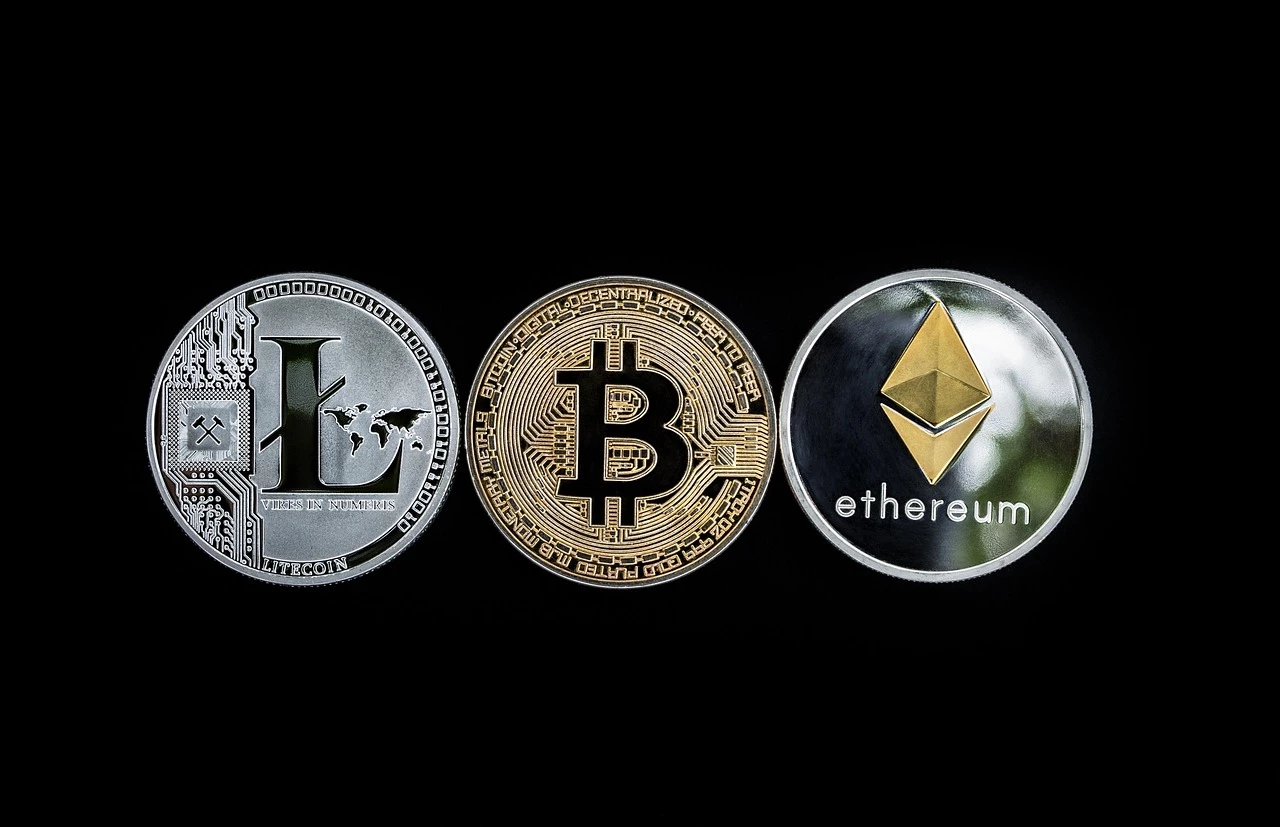
The Rise of Layer 2 Solutions in the Ethereum Ecosystem
This article covers KULA and related crypto trends with practical context. Layer 2 solutions are gaining traction as Ethereum seeks to address its scalability challenges. These innovative technologies enhance transaction throughput and reduce costs, making the Ethereum ecosystem more efficient.
As decentralized applications (dApps) and decentralized finance (DeFi) platforms flourish, the demand for quicker and cheaper transactions has skyrocketed. Layer 2 solutions emerge as a vital answer to these pressing needs, ensuring Ethereum remains a competitive player in the blockchain space.
What Are Layer 2 Solutions?
Defining Layer 2
Layer 2 solutions refer to protocols built on top of an existing blockchain (Layer 1) that aim to increase transaction speed and scalability. By processing transactions off the main chain, these solutions alleviate congestion, leading to faster confirmation times and reduced fees.
How Layer 2 Works
Layer 2 technologies utilize various methods, including state channels, sidechains, and rollups, to manage transactions. For instance, rollups bundle multiple transactions into a single one, which is then settled on the main chain. This process enhances efficiency while maintaining the security of the underlying blockchain.
Types of Layer 2 Solutions
State Channels
State channels allow participants to conduct transactions off-chain while only recording the final state on the blockchain. This method is particularly useful for microtransactions and gaming applications, where rapid interactions are essential.
Sidechains
Sidechains are independent blockchains linked to the main chain, allowing for asset transfers between them. This flexibility enables developers to experiment with new features without affecting the main network's stability.
Rollups
Rollups come in two varieties: optimistic and zk-rollups. Optimistic rollups assume transactions are valid until proven otherwise, while zk-rollups use cryptographic proofs to verify transactions, enhancing security and privacy.
Benefits of Layer 2 Solutions
Scalability and Speed
One of the most significant advantages of Layer 2 solutions is their ability to dramatically increase transaction throughput. With the Ethereum network facing congestion, Layer 2 can handle thousands of transactions per second, making it ideal for high-demand applications.
Cost Efficiency
Transaction fees on Layer 2 solutions are typically lower than those on the main chain, providing a more cost-effective solution for users. This reduction in fees encourages greater participation in dApps and DeFi platforms.
Enhanced User Experience
By reducing transaction times and costs, Layer 2 solutions improve the overall user experience. Users can interact with dApps more seamlessly, driving further adoption and innovation within the Ethereum ecosystem.
Challenges and Considerations
Security Concerns
While Layer 2 solutions offer significant benefits, they also introduce new security challenges. Off-chain transactions may be susceptible to different attack vectors, requiring robust security measures to protect user assets.
Interoperability Issues
As Layer 2 solutions proliferate, ensuring interoperability between different systems becomes crucial. Developers must create frameworks that facilitate smooth interactions between various Layer 2 protocols and the Ethereum main chain.
Real-World Applications
Gaming and NFTs
Layer 2 solutions are particularly well-suited for gaming and NFT platforms, where quick transactions and low fees are essential. This has led to a surge in the development of blockchain-based games that leverage Layer 2 technology.
Focus on liquidity, counterparty risk, and execution quality in The Rise of Layer 2 Solutions in the Ethereum Ecosystem. Prefer clear fee schedules and avoid hidden slippage. When uncertainty rises, reduce position size and extend review intervals. Builders who last in The Rise of Layer 2 Solutions in the Ethereum Ecosystem do unglamorous work. Document edge cases, measure latency, track fees and liquidity, and review error budgets. Discipline compounds faster than hot takes. Treat KULA as one variable in a wider model. Most outcomes in The Rise of Layer 2 Solutions in the Ethereum Ecosystem come from repeatable systems. Define assumptions, risks, invalidation points, and a recheck cadence. This habit beats narratives. Use KULA as a lens, but let decisions follow current data, not hype. Operating in The Rise of Layer 2 Solutions in the Ethereum Ecosystem benefits from early telemetry and automated dashboards. Transparency reduces rework and panic moves. When KULA shifts, context is already captured, so you can adjust calmly instead of reacting late.
Most outcomes in The Rise of Layer 2 Solutions in the Ethereum Ecosystem come from repeatable systems. Define assumptions, risks, invalidation points, and a recheck cadence. This habit beats narratives. Use KULA as a lens, but let decisions follow current data, not hype. Builders who last in The Rise of Layer 2 Solutions in the Ethereum Ecosystem do unglamorous work. Document edge cases, measure latency, track fees and liquidity, and review error budgets. Discipline compounds faster than hot takes. Treat KULA as one variable in a wider model. Focus on liquidity, counterparty risk, and execution quality in The Rise of Layer 2 Solutions in the Ethereum Ecosystem. Prefer clear fee schedules and avoid hidden slippage. When uncertainty rises, reduce position size and extend review intervals.
Decentralized Finance (DeFi)
DeFi platforms benefit immensely from Layer 2 solutions, as they require high transaction throughput to facilitate lending, borrowing, and trading activities. As a result, many DeFi projects are actively integrating Layer 2 technologies to enhance their offerings.
Key Takeaways
- Layer 2 solutions are essential for addressing Ethereum's scalability challenges.
- They enhance transaction speed and reduce costs, benefiting users and developers alike.
- Different types of Layer 2 solutions include state channels, sidechains, and rollups.
- Security and interoperability are key challenges that need to be addressed.
- Real-world applications in gaming, NFTs, and DeFi are driving the adoption of Layer 2 technologies.
Stay informed about the latest developments in the crypto space by subscribing to our newsletter!