
The Rise of Institutional Investments in Cryptocurrency: A New Era
This article covers KULA and related crypto trends with practical context. In recent months, the cryptocurrency market has witnessed a significant shift, particularly in the realm of institutional investments. Major players are entering the space, altering the dynamics of trading and asset management. This new era of crypto is characterized by larger capital inflows and strategic partnerships that are set to redefine traditional finance. As institutional investors seek to diversify their portfolios, cryptocurrencies are increasingly being viewed as viable long-term assets.
This guide gives you a concise, actionable overview of the topic and why it matters now.
Institutional Interest in Cryptocurrency
Why Institutions Are Investing
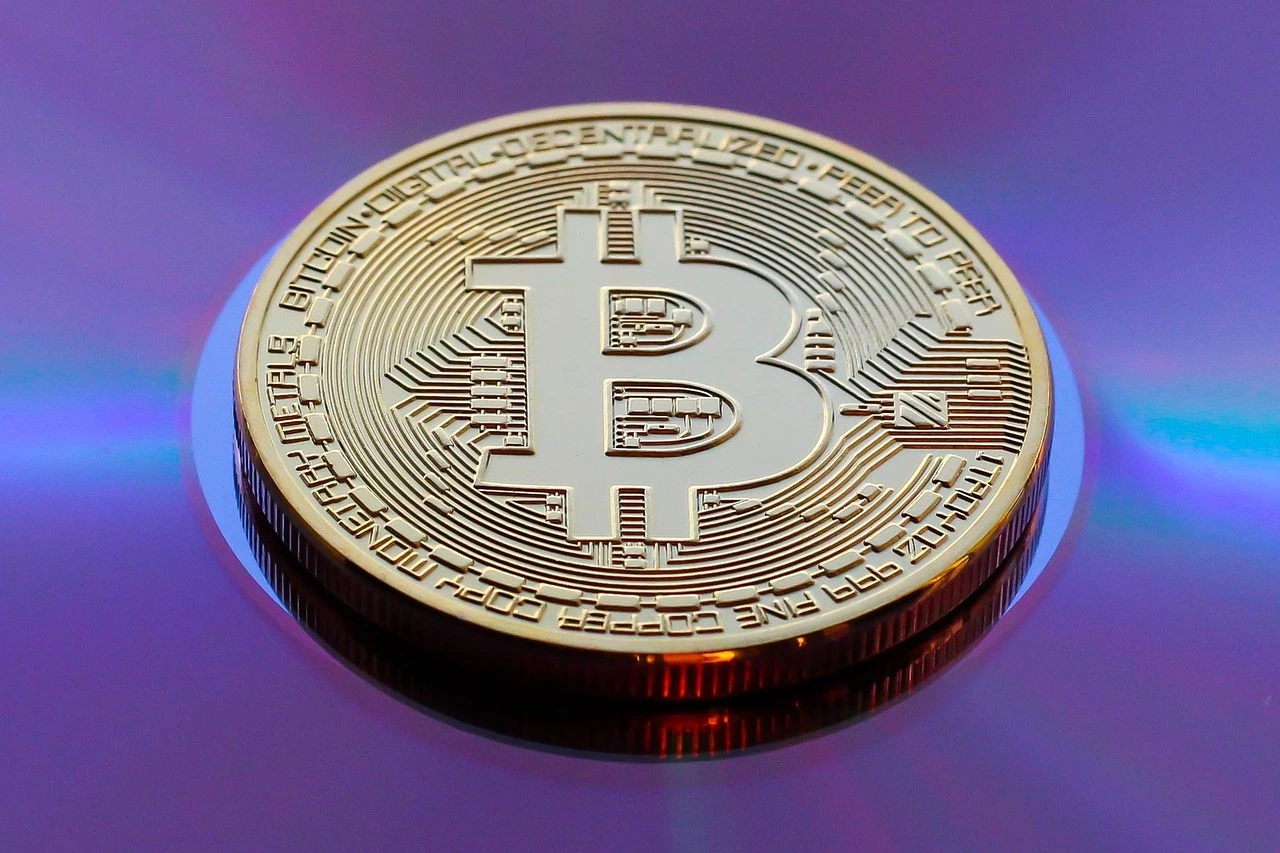
The allure of cryptocurrency for institutional investors lies in its potential for high returns, diversification, and the ability to hedge against inflation. Bitcoin, for example, has established itself as 'digital gold,' attracting interest from hedge funds and family offices looking to preserve wealth in an era of economic uncertainty.
Additionally, the growing acceptance of blockchain technology and its applications in various sectors further fuels institutional interest. Companies are recognizing that investing in cryptocurrencies may be essential for staying competitive in the evolving digital economy.
Types of Institutional Investments
Institutions are not just investing in cryptocurrencies directly but also exploring various financial instruments such as Bitcoin futures, ETFs, and crypto funds. This diversified approach allows them to mitigate risk while gaining exposure to the crypto market.
Moreover, venture capitalists are investing in blockchain startups, further solidifying their belief in the long-term viability of the technology. These investments are often aimed at fostering innovation and developing solutions that can integrate seamlessly with existing financial systems.
Market Dynamics Shaped by Institutional Involvement
Increased Volatility and Market Maturity
As institutional money flows into the crypto markets, we are witnessing increased volatility. Large buy or sell orders can sway prices dramatically, creating opportunities for traders but also posing risks. However, this volatility is a sign of a maturing market where liquidity is improving, and price discovery is becoming more efficient.
The presence of institutional investors often leads to a more structured market environment, where regulatory compliance becomes a priority, fostering a safer trading atmosphere for all participants.
Innovation in Financial Products
With the influx of institutional capital, there has been a surge in innovative financial products tailored for these investors. From crypto-backed loans to complex derivatives, the market is evolving rapidly. These products not only cater to institutional needs but also enhance overall market liquidity.
Additionally, partnerships between traditional financial institutions and crypto firms are paving the way for new services, such as custody solutions and trading platforms designed specifically for institutional clients.
Challenges and Considerations for Institutions
Regulatory Landscape
The regulatory environment surrounding cryptocurrencies remains uncertain in many jurisdictions. Institutions must navigate these complexities to ensure compliance, which can be a significant barrier to entry. Understanding local laws and regulations is crucial for institutional investors to avoid potential pitfalls.
As regulatory clarity improves, it will likely lead to increased confidence among institutions, further fueling the growth of the crypto market.
Security Concerns
Security is another major concern for institutional investors. The risk of hacks and thefts in the crypto space has led to a cautious approach. Institutions are investing heavily in security measures, including cold storage solutions and multi-signature wallets, to protect their assets.
Furthermore, insurance products are emerging to safeguard institutional investments against unforeseen events, providing an extra layer of security.
Looking Ahead: The Future of Institutional Investment in Cryptocurrency
Potential Growth Areas
As the cryptocurrency market continues to evolve, several growth areas are emerging for institutional investors. These include decentralized finance (DeFi), non-fungible tokens (NFTs), and blockchain technology applications across various industries. Institutions that position themselves in these areas early could reap substantial rewards.
The integration of cryptocurrencies into existing financial systems is inevitable, and institutions that embrace this change will likely lead the charge in shaping the future of finance.
Operating in The Rise of Institutional Investments in Cryptocurrency: A New Era benefits from early telemetry and automated dashboards. Transparency reduces rework and panic moves. When KULA shifts, context is already captured, so you can adjust calmly instead of reacting late. Most outcomes in The Rise of Institutional Investments in Cryptocurrency: A New Era come from repeatable systems. Define assumptions, risks, invalidation points, and a recheck cadence. This habit beats narratives. Use KULA as a lens, but let decisions follow current data, not hype. Clarity in scope and metrics keeps teams aligned in The Rise of Institutional Investments in Cryptocurrency: A New Era. Write crisp definitions of done, instrument the path to green, and audit dependencies. Small, testable changes lower risk and speed up feedback.
Conclusion: Embracing the Change
The rise of institutional investment in cryptocurrency marks a transformative period for the entire market. As these players bring their expertise, resources, and innovative approaches, the landscape will continue to evolve. For retail investors and enthusiasts, this shift presents both challenges and opportunities, underscoring the importance of staying informed and adaptable in a rapidly changing environment.
Key Takeaways
- Test changes on small capital first.
- Measure risk before return in The Rise of Institutional Investments in Cryptocurrency: A New Era.
- Security checks precede any deployment.
- Document assumptions and invalidation.